The best shooters in LA couldn't figure out where to park
The thing that separates a professional event photographer from a merely talented one isn't the camera. It's whether you spend your event thinking about them at all. Here's the moment that made that obvious to me.
I was once hired as one of a dozen photographers for a high-security tech event — a worldwide live event, and genuinely some of the best shooters in Los Angeles, all coordinating on one group chat. We'd been given clear instructions days in advance: how to use the FTP for pushing photos live, the copyright metadata that had to be set in-camera with our names, all of it. When the day came, most of the thread was trying to figure it out as they got there. Photographers who'd been shooting professionally for eighteen years hadn't read the part about setting their name in the camera's copyright metadata. People were asking the client where to park — apparently nobody thought to just ask Google or ChatGPT. A busy client's phone, flooded with questions everyone could have answered themselves a week earlier.
Meanwhile, one photographer was getting annoyed with the chat itself. She didn't want anyone asking questions because she was trying to set up her QR code for guests to get their pictures — overriding the client, who'd already said the channel was fine for feedback. Another shooter finally had to screenshot instructions on how to mute notifications for her. A big ego getting flustered, and everyone else adjusting to her bad tech know-how.
And in the green room, another pro spent his downtime complaining to the client — the current client, standing right there, mid-event — about a previous client and a payment dispute, all while going on and on about what an ethical person he is.
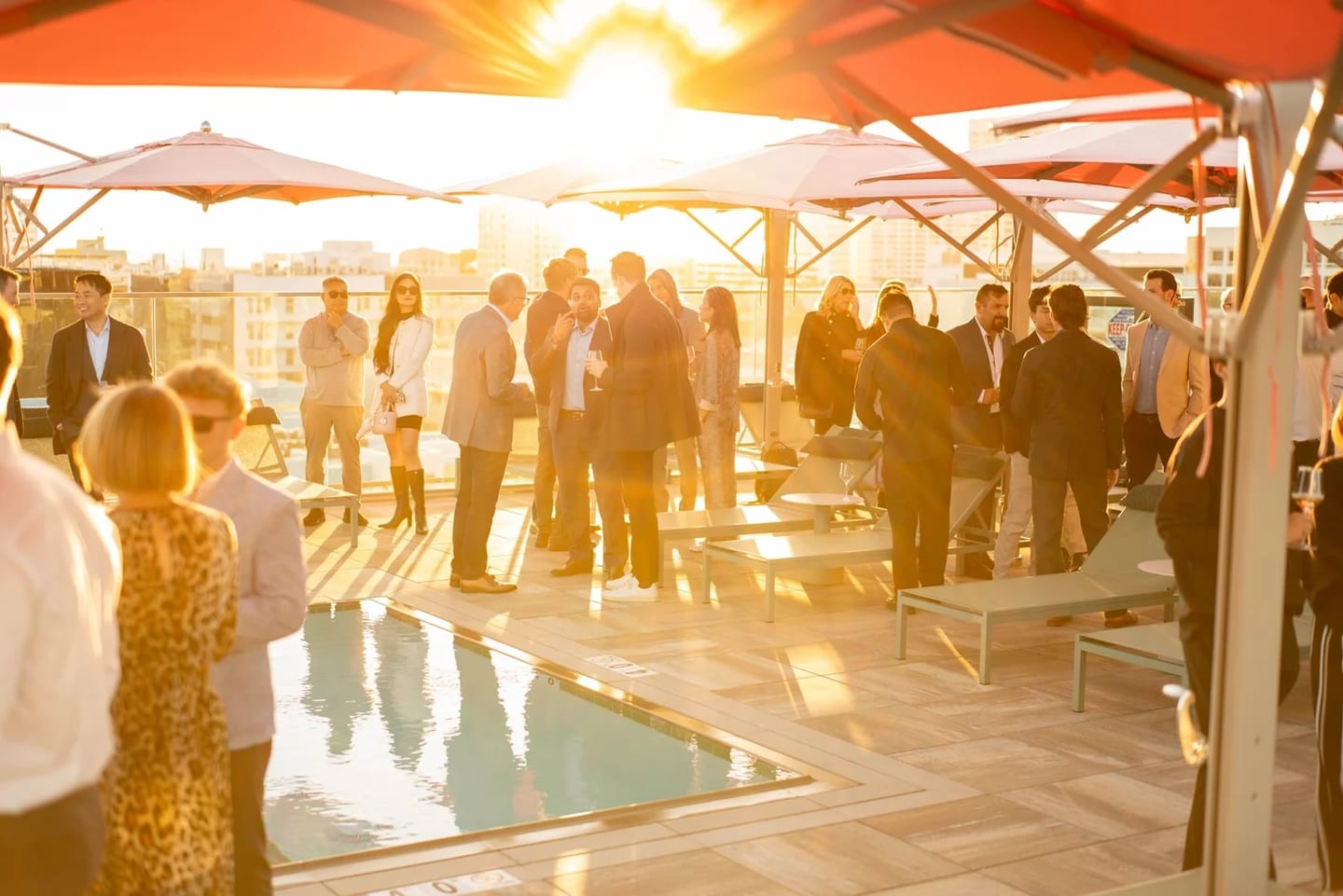
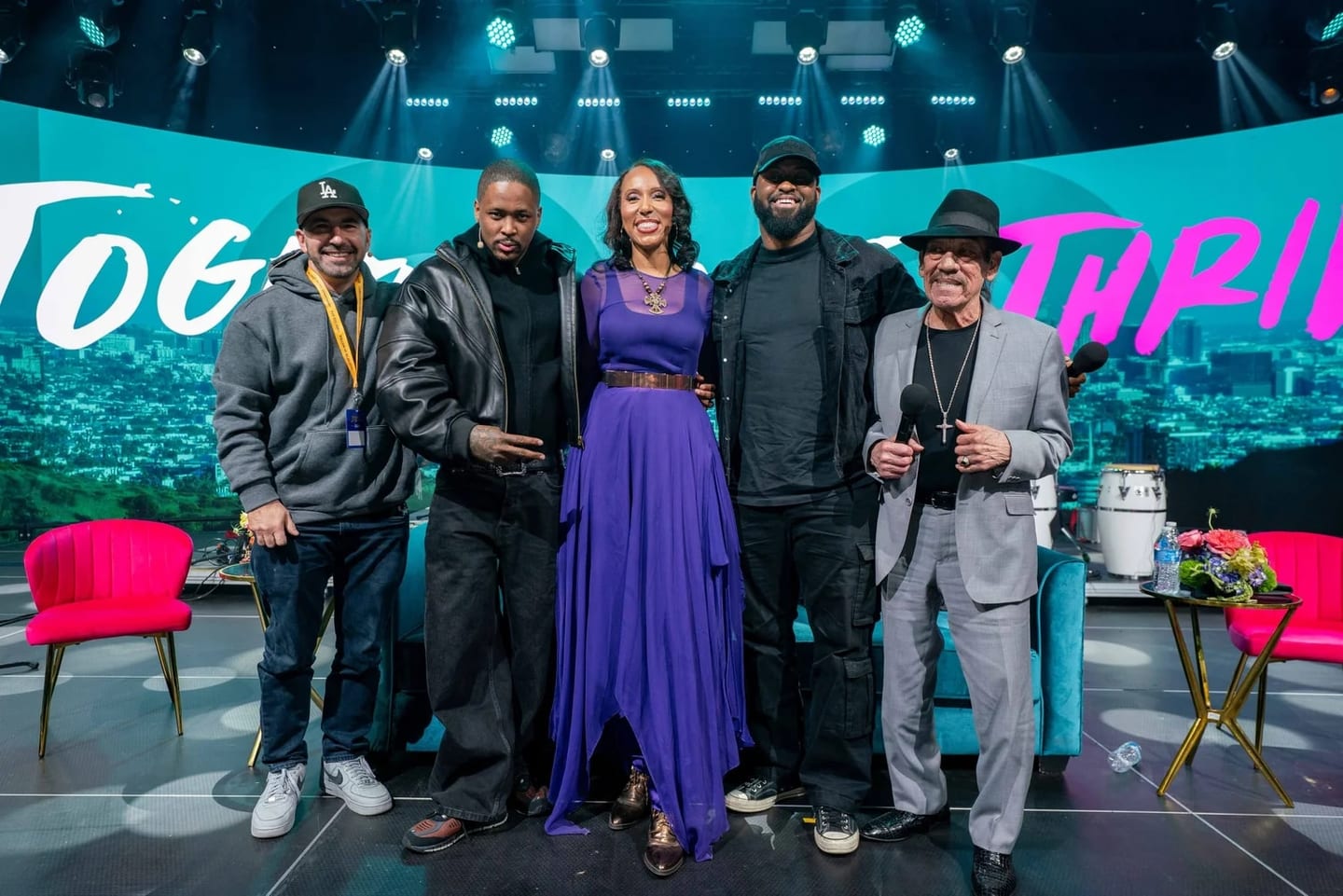
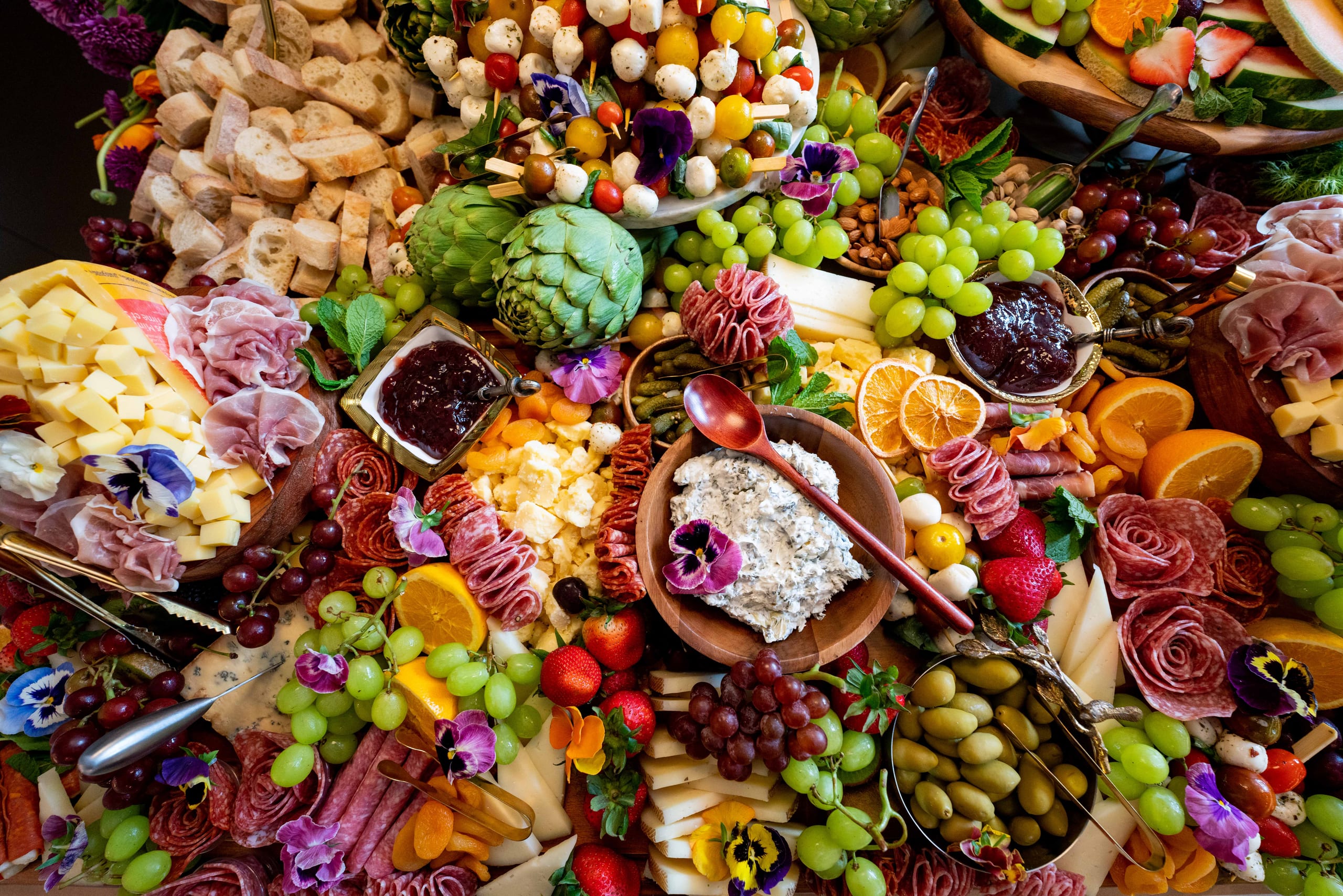
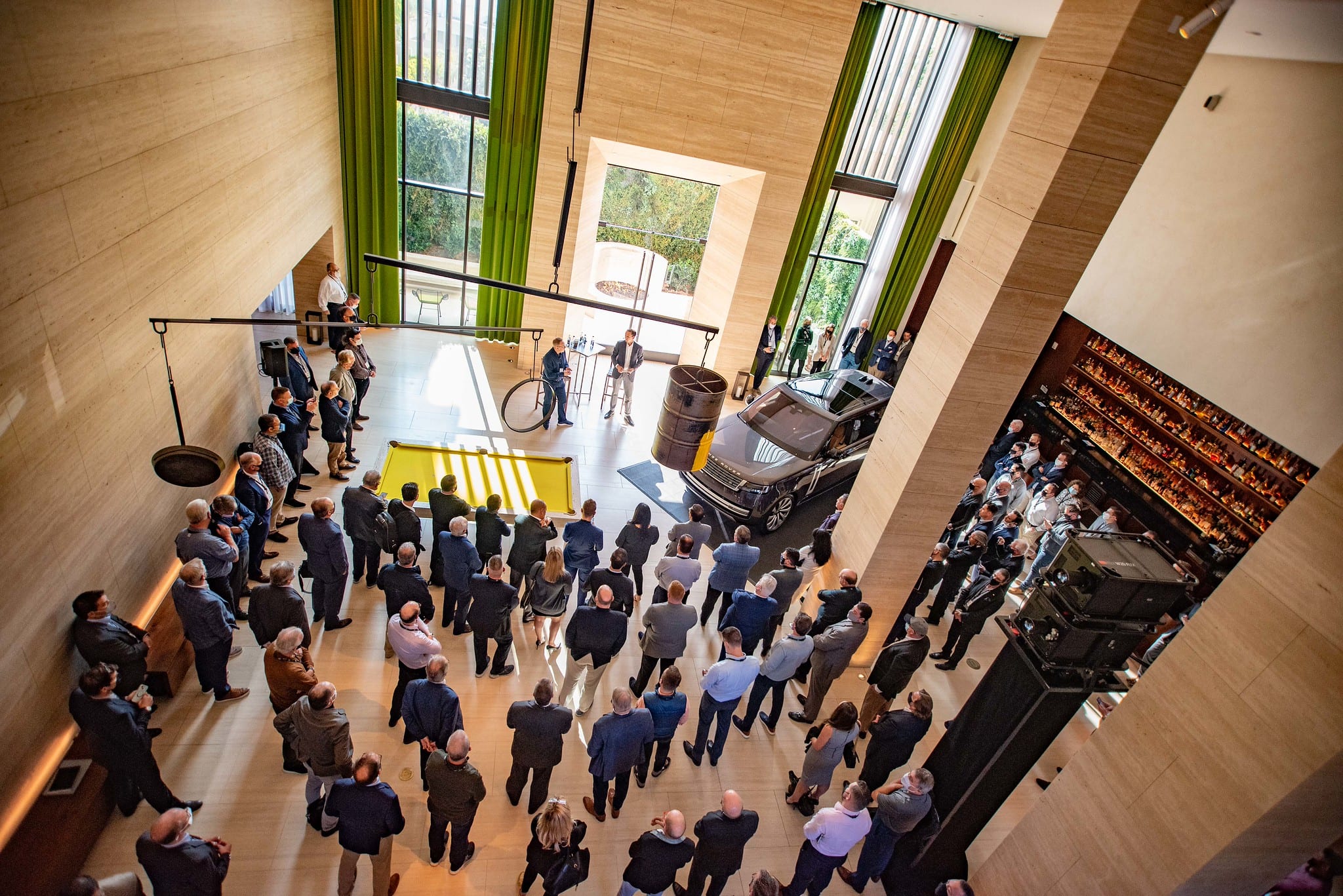
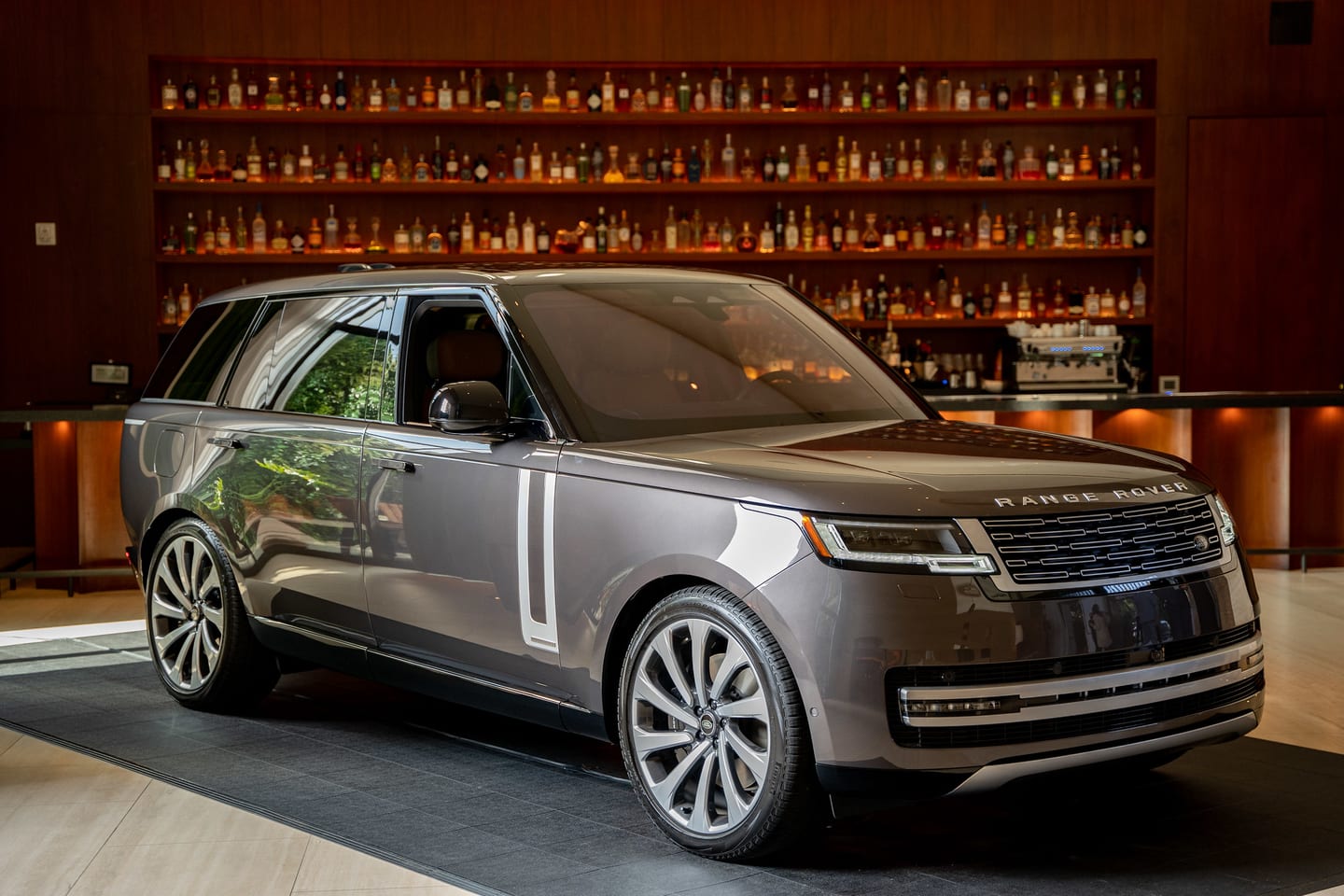
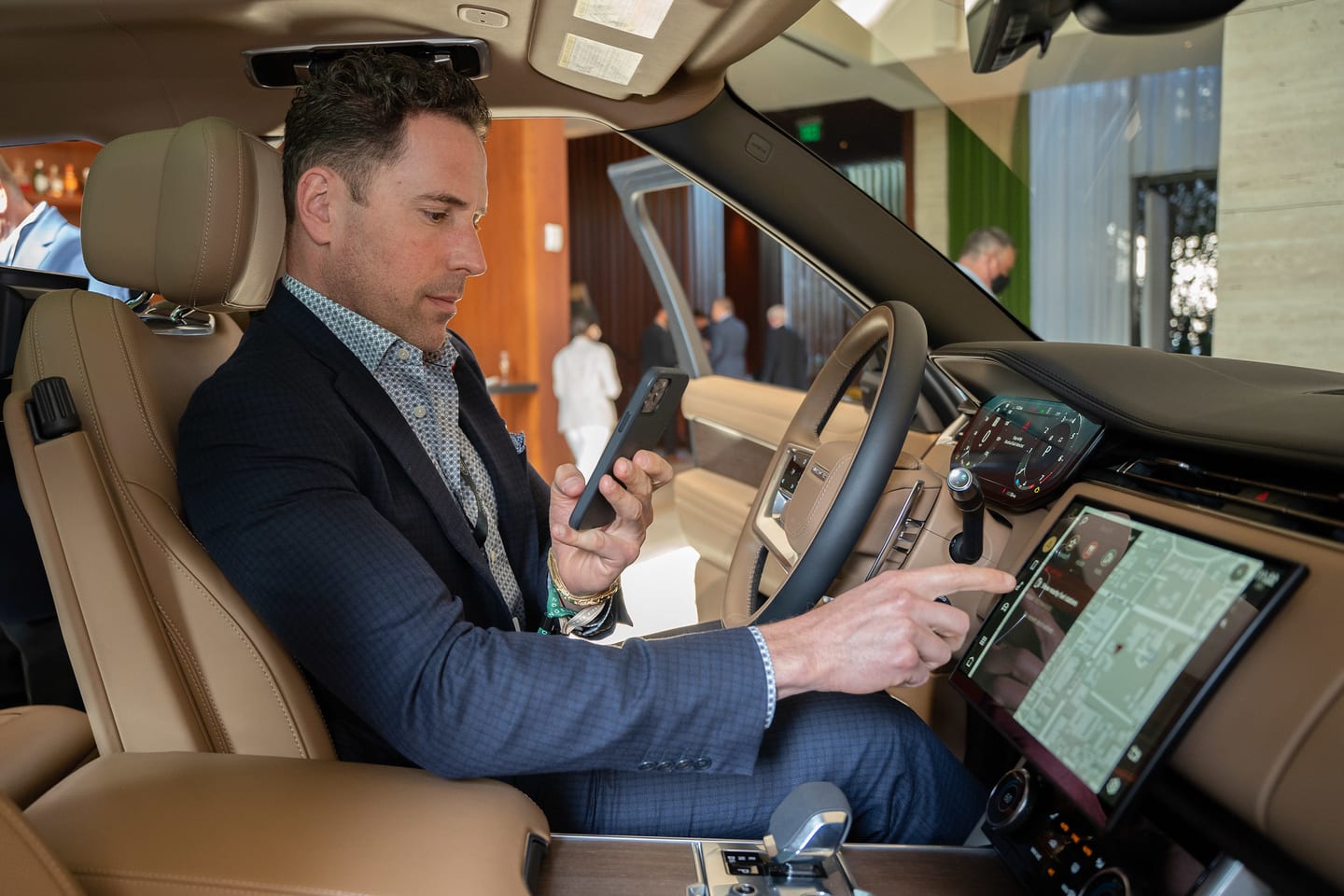
I've never forgotten it, because it's the whole difference — and honestly, people not being resourceful or prepared is one of my pet peeves. And no, I'm not going to tell you which event. The photos on this page are from a Range Rover launch — very photogenic, very on the record, and very much not the evening in question. Discretion is sort of the point.
So what should you actually look for?
Someone who reads the brief — and knows what it leaves out. A shot list tells a professional most of what they need; experience tells them the rest — which moments matter, how much coverage is enough, and the unwritten rules a shot list never mentions, like not eating from the same buffet as your guests. If you have to explain the basics, you hired the wrong person.
Someone self-sufficient on the day. The best compliment I get is that I wasn't one more person asking questions. I'll ask a smart question or two up front, usually through your logistics lead, then disappear into the work — and I'll check an email or look something up myself before I interrupt someone already juggling ten things. You should be running your event, not managing your photographer.
Someone with a backup plan you never have to see. High-end cameras fail mid-shoot; it happens. A professional carries backup bodies and has people to call. I once had two cameras go down in a single day and a teammate drove out with a third — from where the client stood, nothing went wrong, which is exactly how it should feel. Ask a photographer what happens if their gear dies; the answer tells you everything.
Someone who treats it as a job, not a performance. I don't romanticize this work — a photo is a photo. But it should be genuinely good, and it should do the job you hired it for: the marketing campaign, the press release, the gallery your guests download the next morning. Talent gets you nice frames. The prep is what makes them usable — and gets them to you while the event still matters.
If you're hiring for an event in Los Angeles, that's the bar. See how I work across corporate conferences and brand and private events, get the practical version in how to hire an event photographer, or tell me about your event.