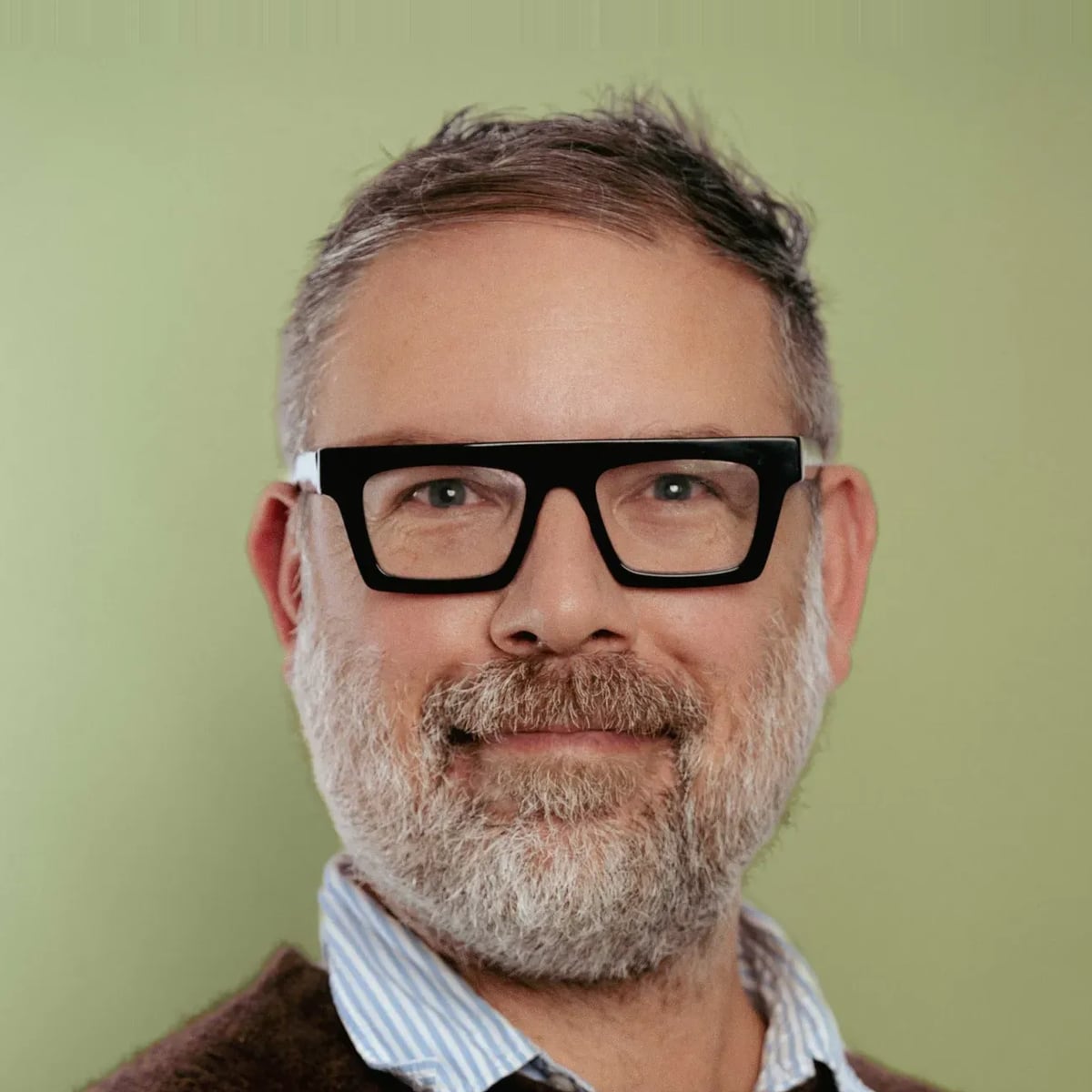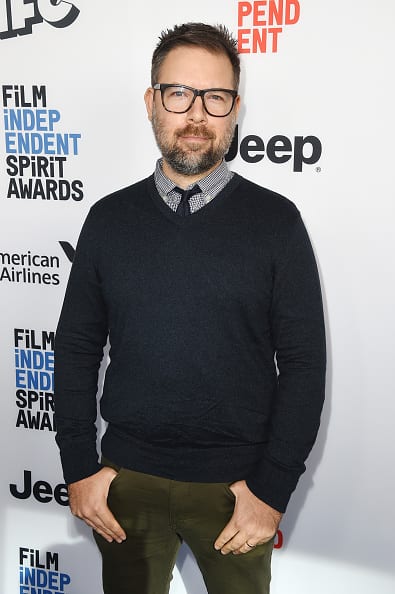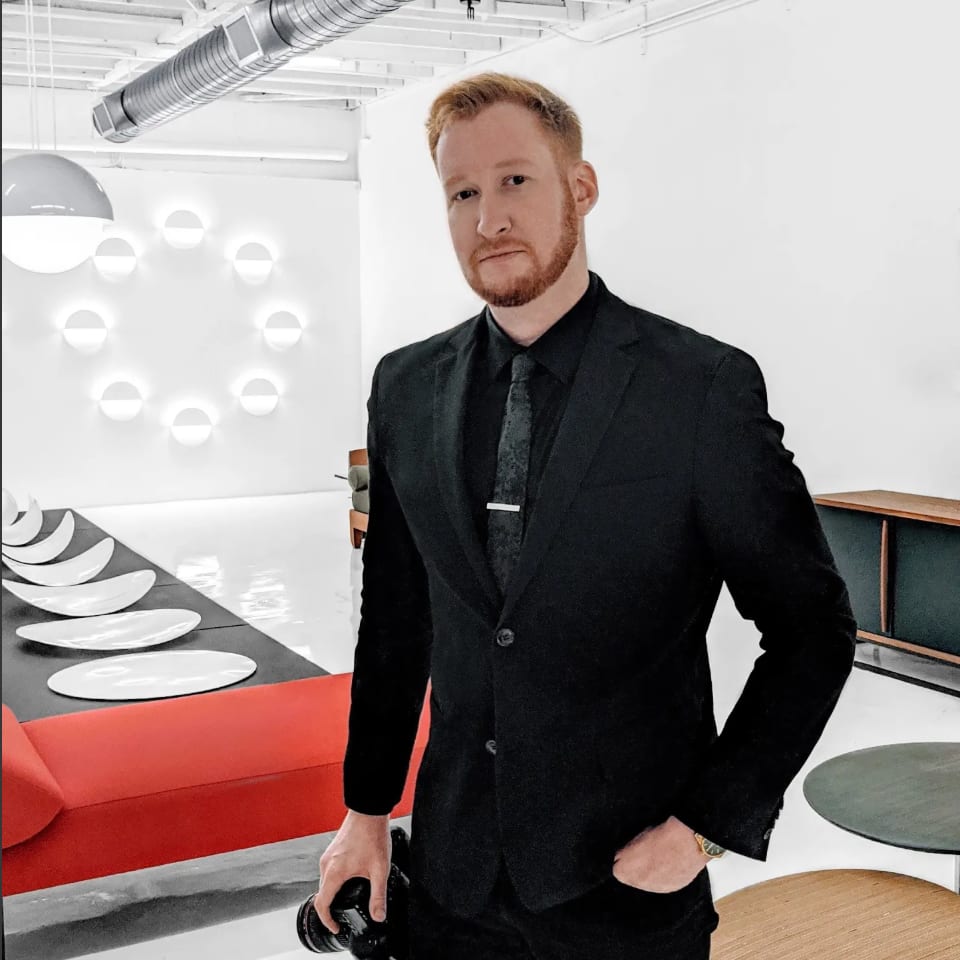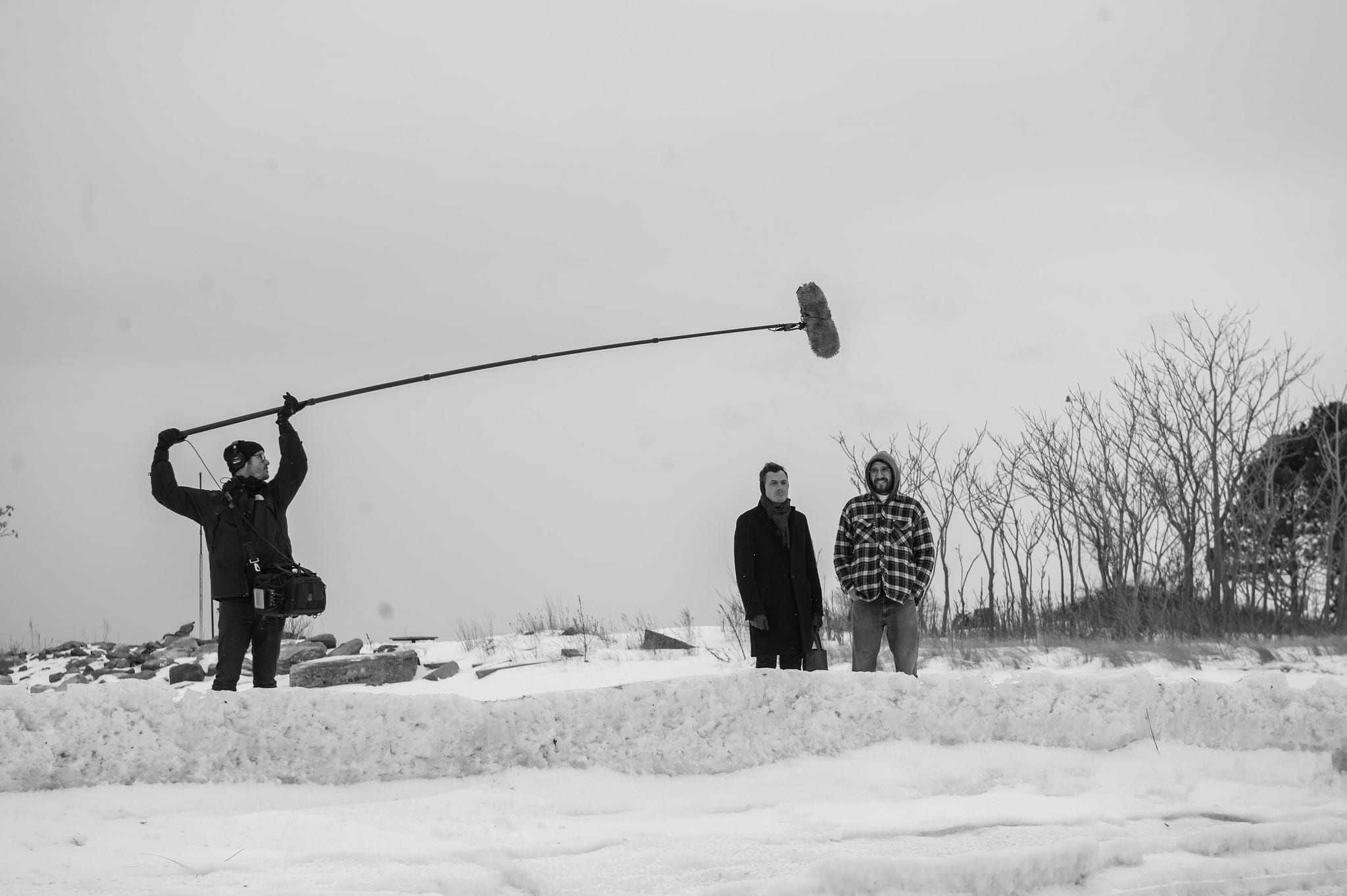
I didn't come up through weddings or a studio. I came up through independent film. Since around 2000, my friends Kris and Jesse and I have been making things on video — shorts, mini-features, stuff that played small festivals. I was writing, producing, acting, and shooting, whatever the project needed, from Berkeley to New York and back to LA. Along the way I worked on indie features too, including Donald Cried, which premiered at SXSW, and Roughhouse, released nationally.
Somewhere in there I bought my first DSLR — not for photography, for filmmaking. I wanted to actually understand the camera, not just write and produce. I picked up street photography on the side, for fun, never thinking it would be anything but practice for film. Then it turned into a blog: shooting strangers, waiting for the real moment instead of staging one.
One night I was photographing people at an outdoor bar in Williamsburg when a woman asked me why I was taking pictures. I gave her my blog URL. The next day she emailed and asked me to shoot her finance company's meeting — on Wall Street.
That one moment of curiosity turned into a career. I spent the next years photographing financial and corporate events across New York — investor conferences, summits, closed-door rooms where discretion isn't optional. In 2014 I moved to Los Angeles and broadened the work: brand activations, red carpets, galas, product launches, auto reveals, and private events — shot with the same documentary eye I brought to a film set and a trading floor.
Why the film background matters to your event
Event photography is really two jobs, and I learned both over twenty years of making films. On set I'd call cut and direct the actors — performance notes between takes, new lines fed in while the improv was running — and then get out of the way and let the scene play. An event is those same two jobs. Most of the night I'm invisible: I don't change how anyone experiences the room, I just wait for the real thing — an artistically interesting, cinematic frame, or a completely random moment between two people. Then, when it's time, I step in and direct: asking someone to hold a pose in a break in the conversation, or standing on a ladder getting two hundred people to stop talking so the group shot is actually right. Get out of the way, step in when it counts.
Sixteen years of reading rooms — on set, in boardrooms, on red carpets — is what lets me anticipate the handshake, the keynote punchline, and the reveal before they happen, and work difficult, shifting light without a flash that interrupts anyone. I don't romanticize any of this: a photo is a photo, but it should always be good and it should serve what you need it for — marketing, PR, media, or a gallery your attendees can download. The result is clean, press-ready work your comms and marketing teams can publish the same week. I show up on time, dressed for your room, and I don't need to be managed.
There's a mindset under all of it. I spend my days in rooms built on hierarchy — executives and principals, celebrities and their teams, security details — and the real skill is not getting caught up in the rank of it. I take a little from Ram Dass here: everyone in the room is just a person doing their thing, and I'm in witness mode — there to see it clearly, not to be part of it. That's what keeps me steady when the room isn't, and it's why a head of state and a backyard birthday are the same assignment to me: just people, shot honestly.
None of it matters if you don't show up no matter what. I once caught a flat tire heading to a shoot out in the desert — but I'd left early enough that even with the delay I was twenty minutes late at most, so I stayed twenty minutes longer and got every frame on the list. I carry backup bodies because high-end cameras really do quit mid-shoot; one day two of mine went down, so I called a teammate, they drove out with a camera, and we finished. From where the client stood, nothing went wrong — which is the entire point.
5.0 on Google · 46 reviews · read them on Google →