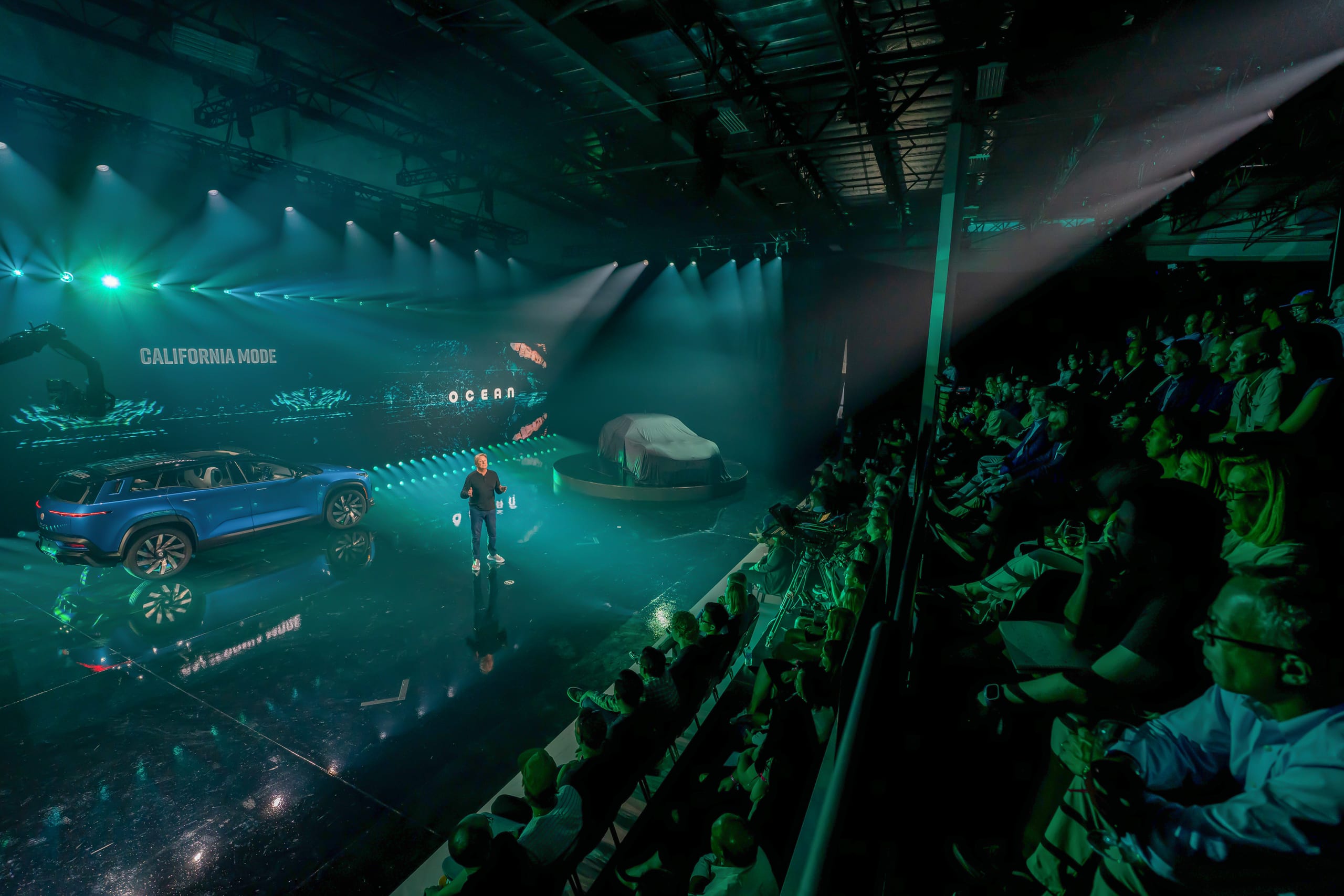
Selected frames
See the range →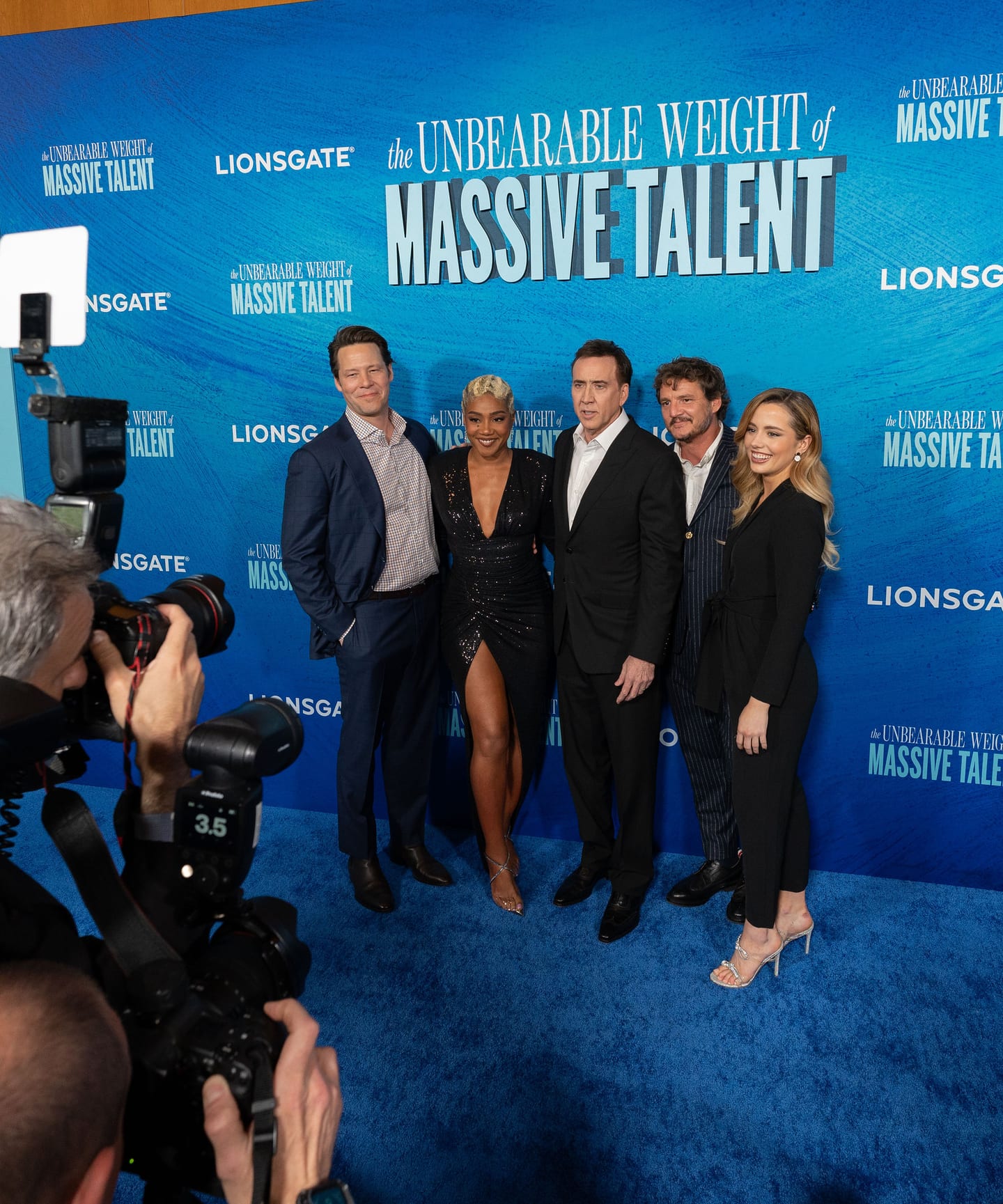
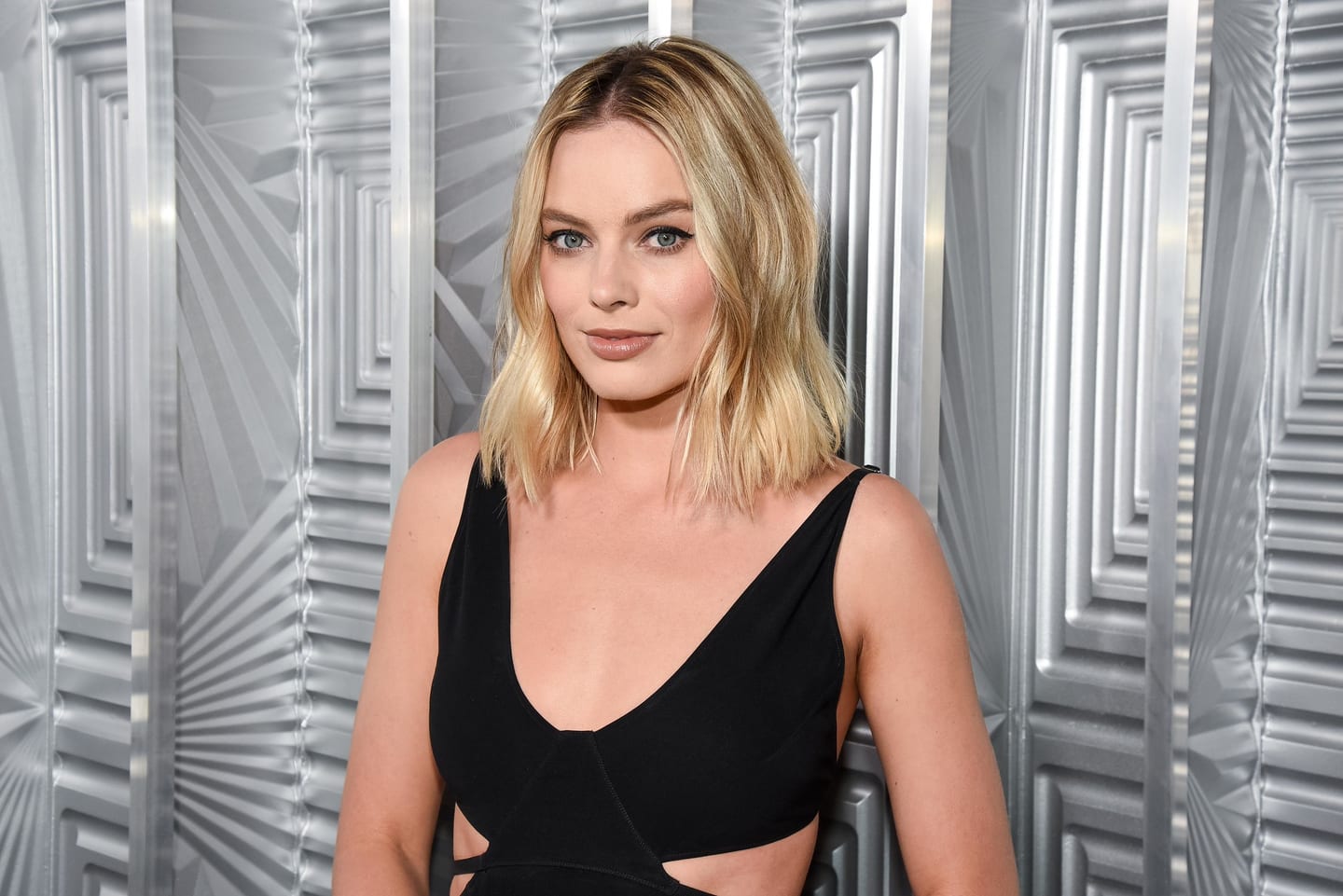
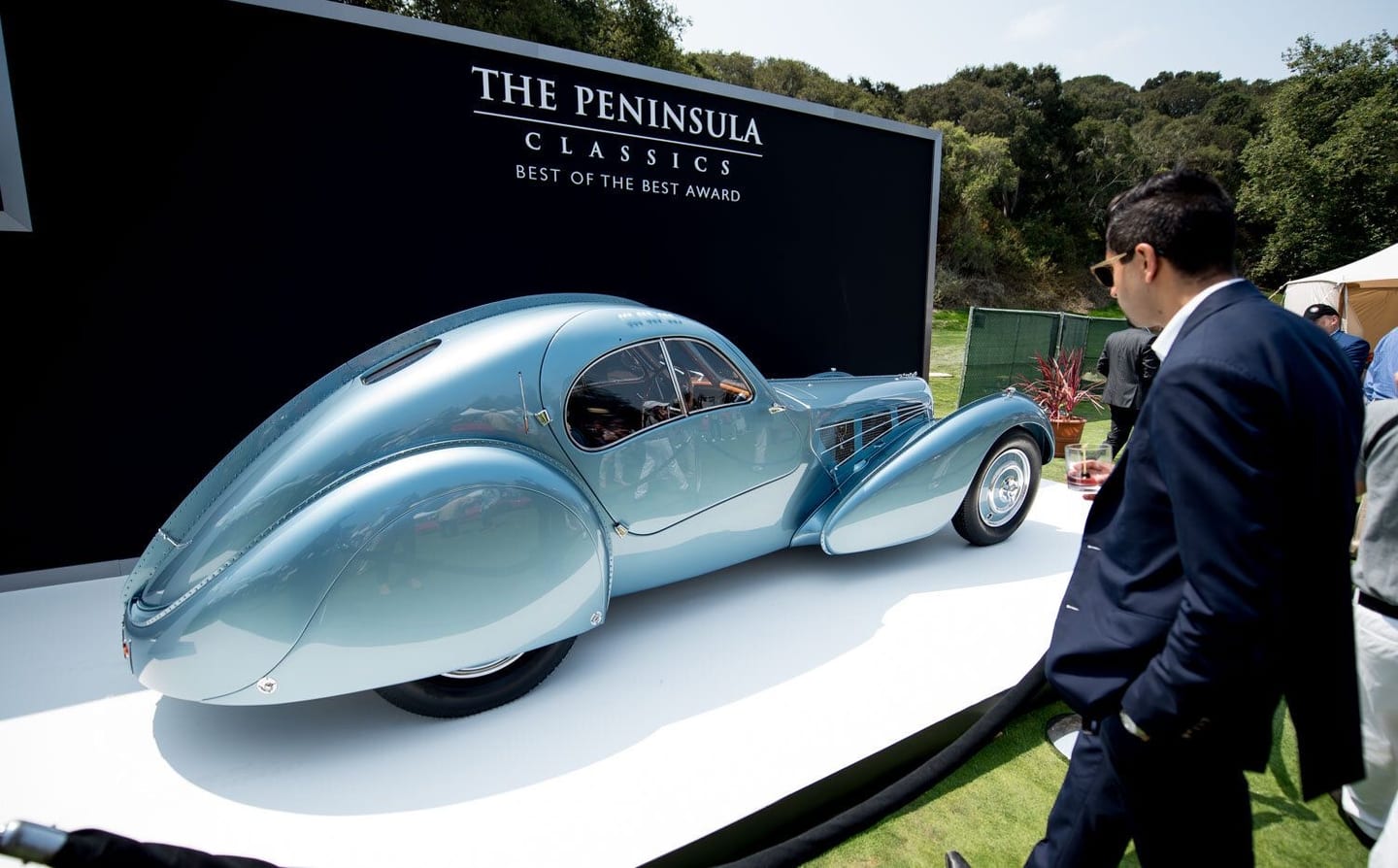
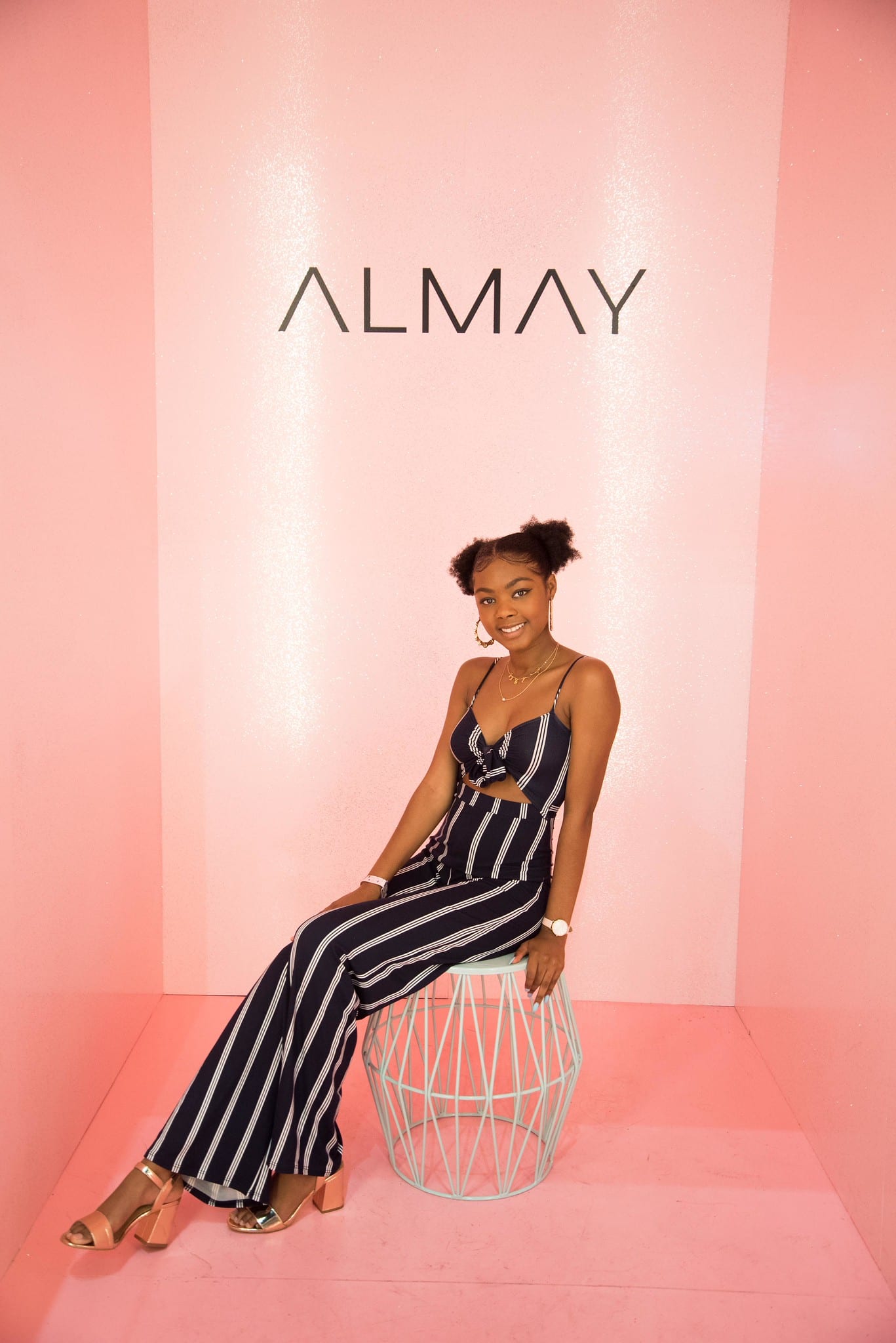
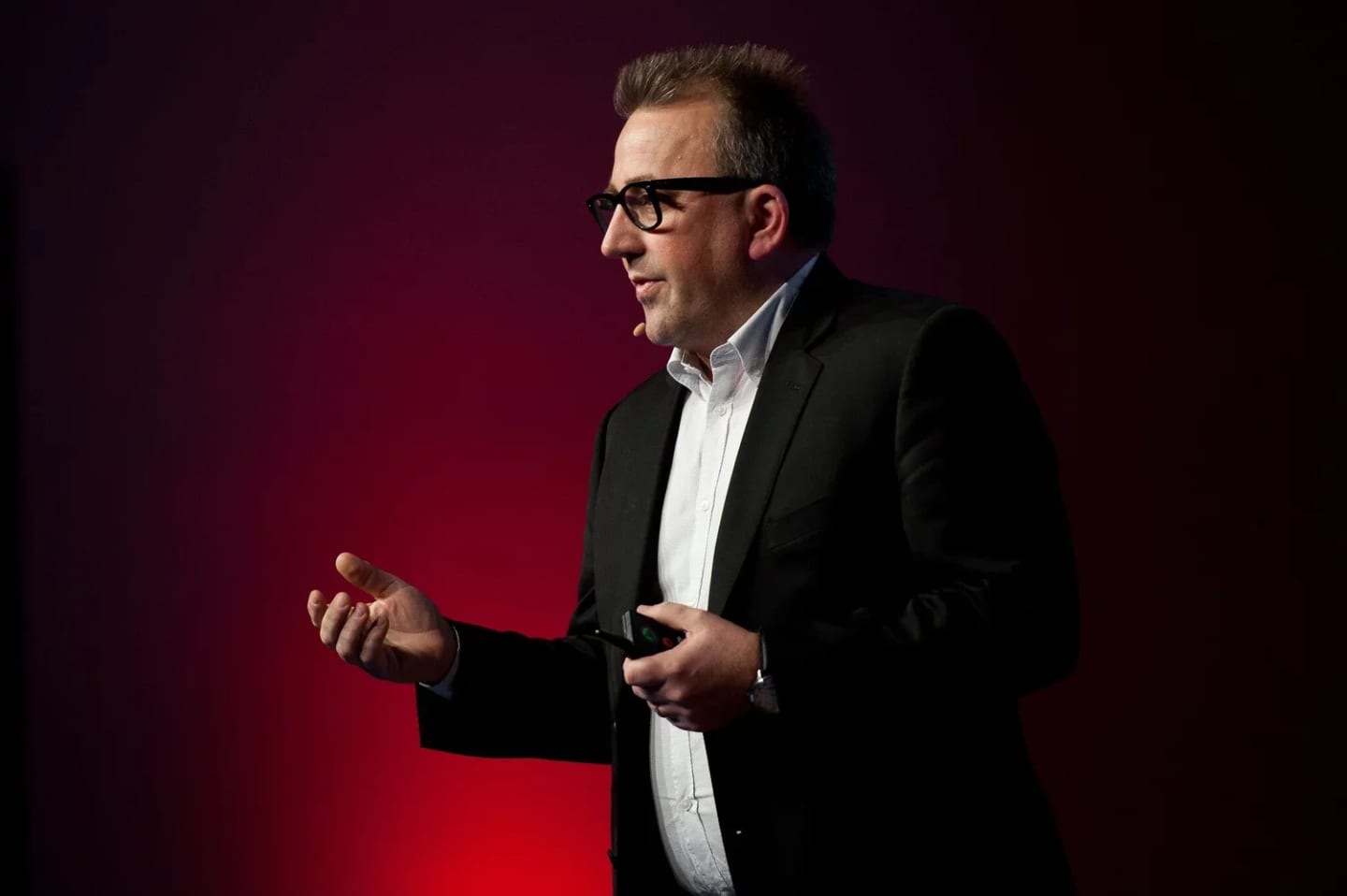
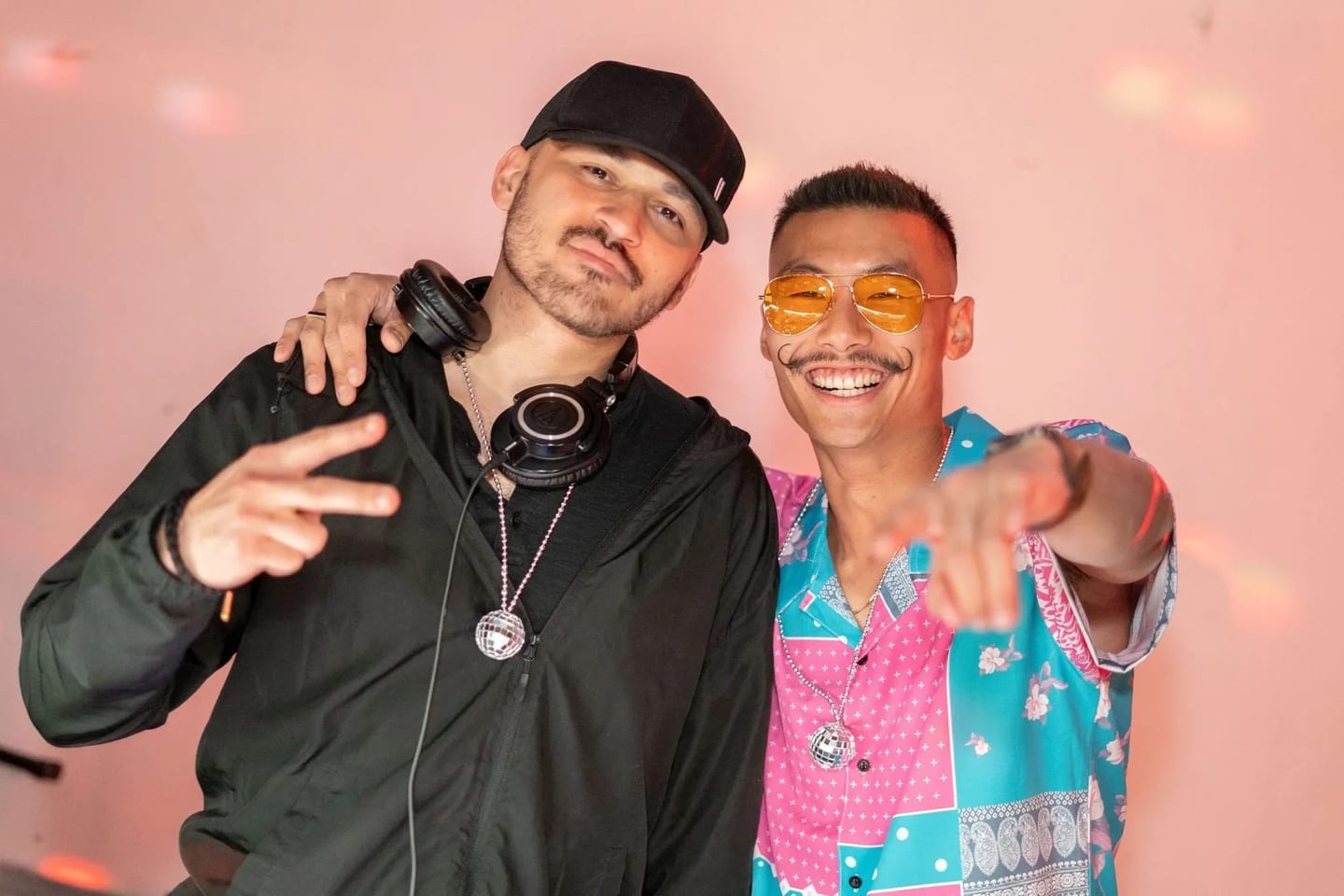
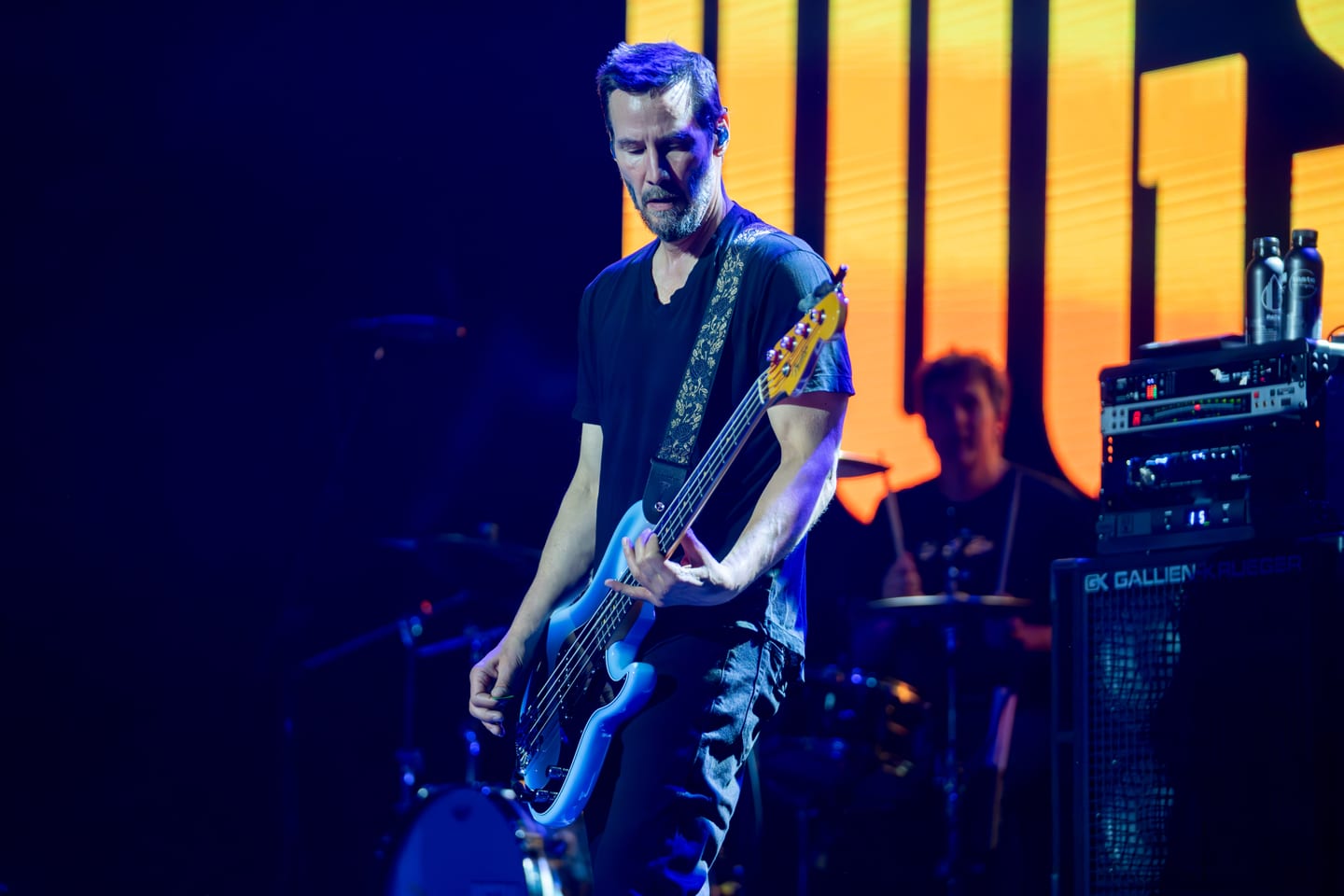
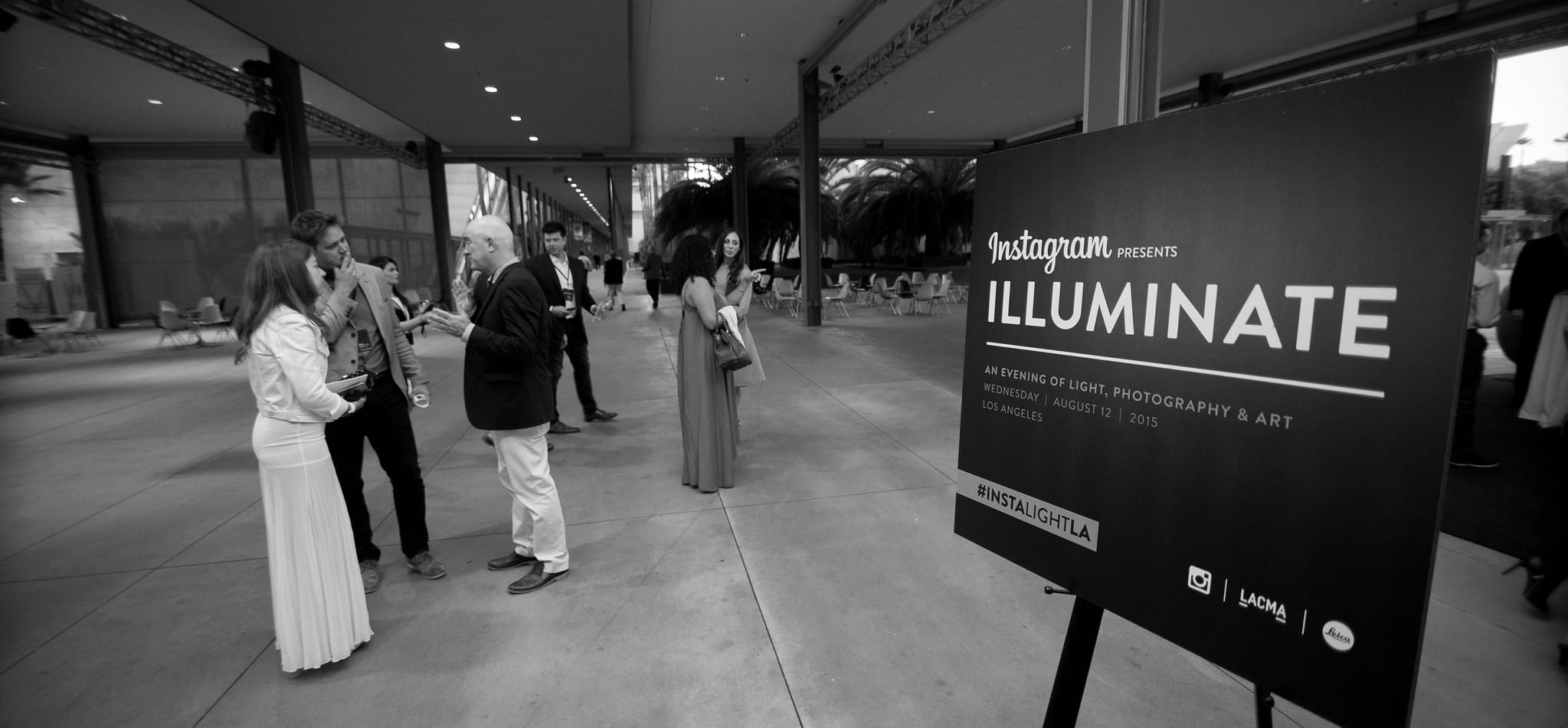
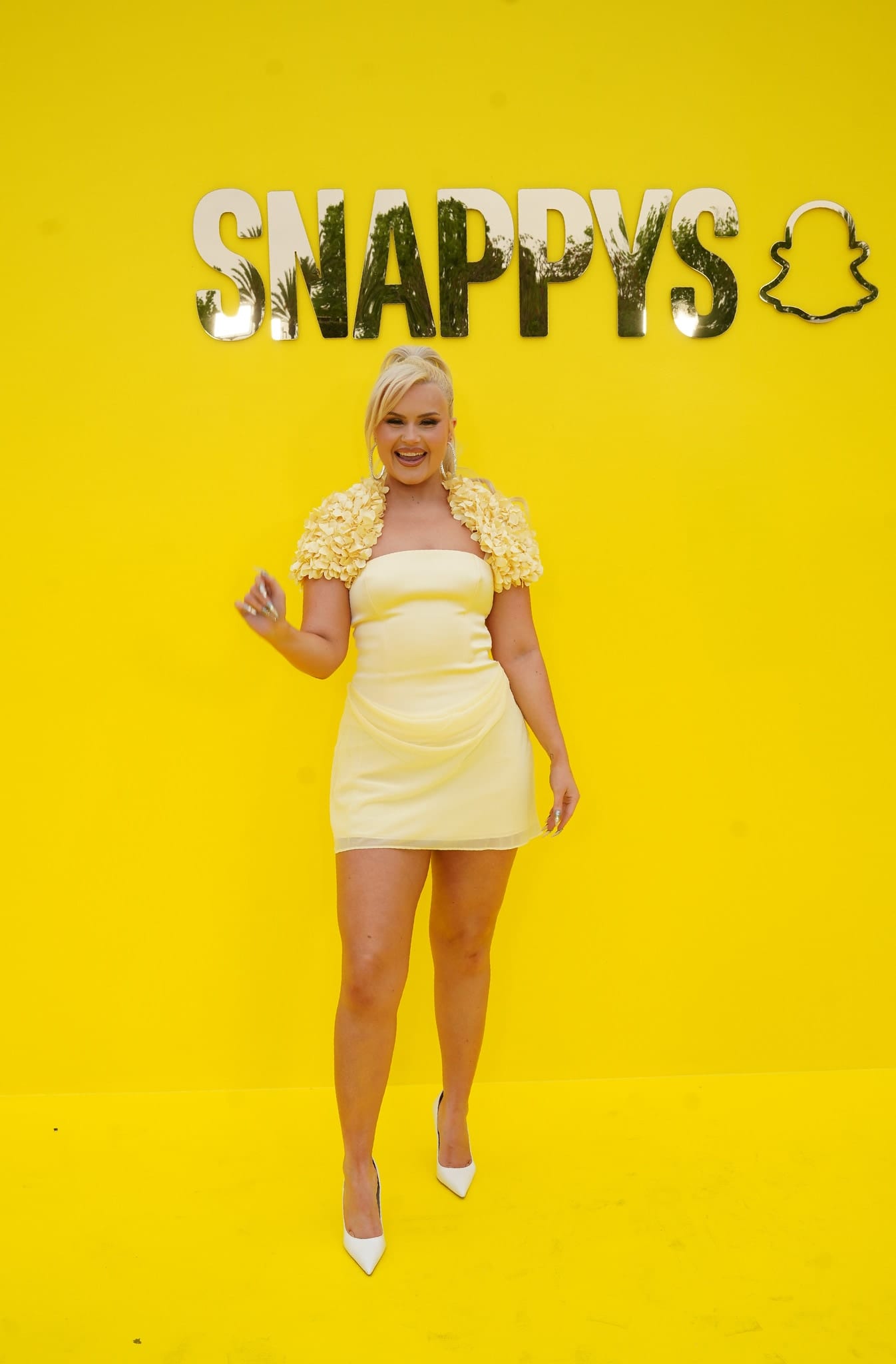
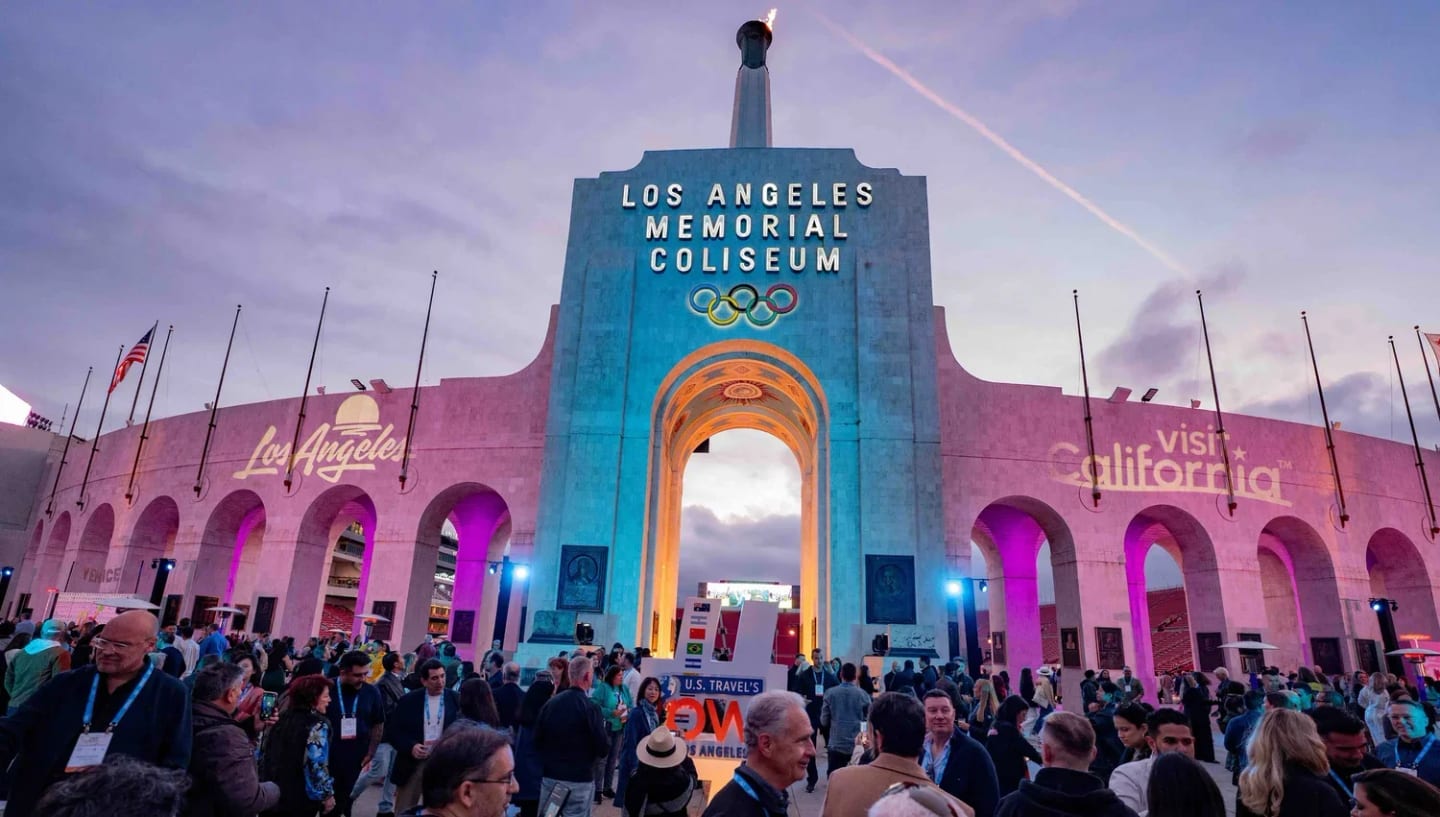
Los Angeles corporate event photographer for PR, marketing, production, and comms teams
I'm Kyle Espeleta, a Los Angeles event photographer. I shoot every type of event LA has — VIP areas at the recent FIFA World Cup, executive conferences, chaotic red carpet premieres, political rooms, five-day conferences with live shows, trade show floors. The job doesn't change much: get the room, the scale, the people, the branding, and the proof that it happened — without bugging the people there to work, speak, raise money, launch something, or enjoy themselves.
Los Angeles always has a ton of interesting events with dynamic people and visuals, so it’s never boring. Most of the time I stay out of the way, watch what’s happening, and keep moving, but I often have to switch modes and direct two hundred people to look at one camera from a ladder. The job calls for being able to do both.
Multi-day conferences are the biggest part of my work. I’ve covered three-, four-, and five-day programs at the Los Angeles, Anaheim, Long Beach, and San Diego convention centers, plus SoFi Stadium and hotels across Beverly Hills and Downtown LA. That includes the Peninsula, Beverly Hills Hotel, Four Seasons, JW Marriott L.A. LIVE, Loews Hollywood, Westin Bonaventure, and Anaheim Marriott. I’ve also worked at the GRAMMY Museum, Academy Museum, Petersen, and Union Station.
When several things happen at once, I can bring associate photographers who already know how I work and what to deliver. Everyone uses the same schedule and priorities. Day-of selects go out when press or social needs them. A large multi-day gallery usually takes five to seven days. When I quote, we go over the specifics of what your event flow looks like and what the client needs.
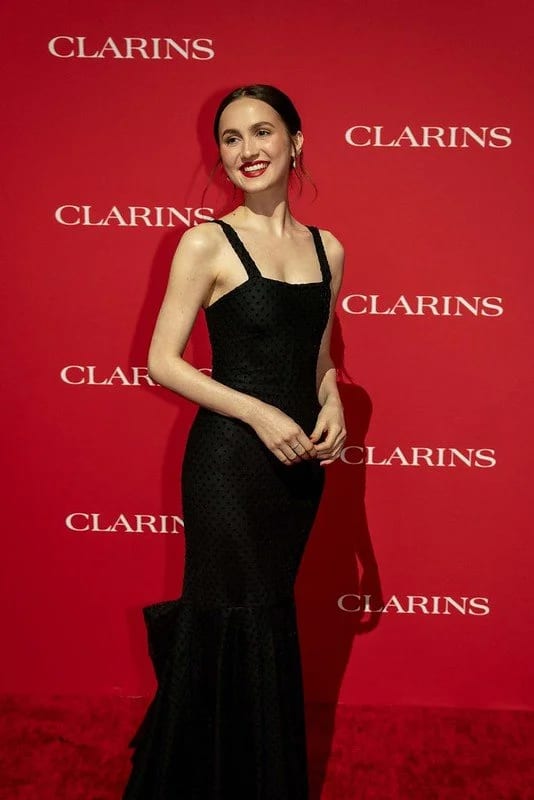
What full event coverage looks like.
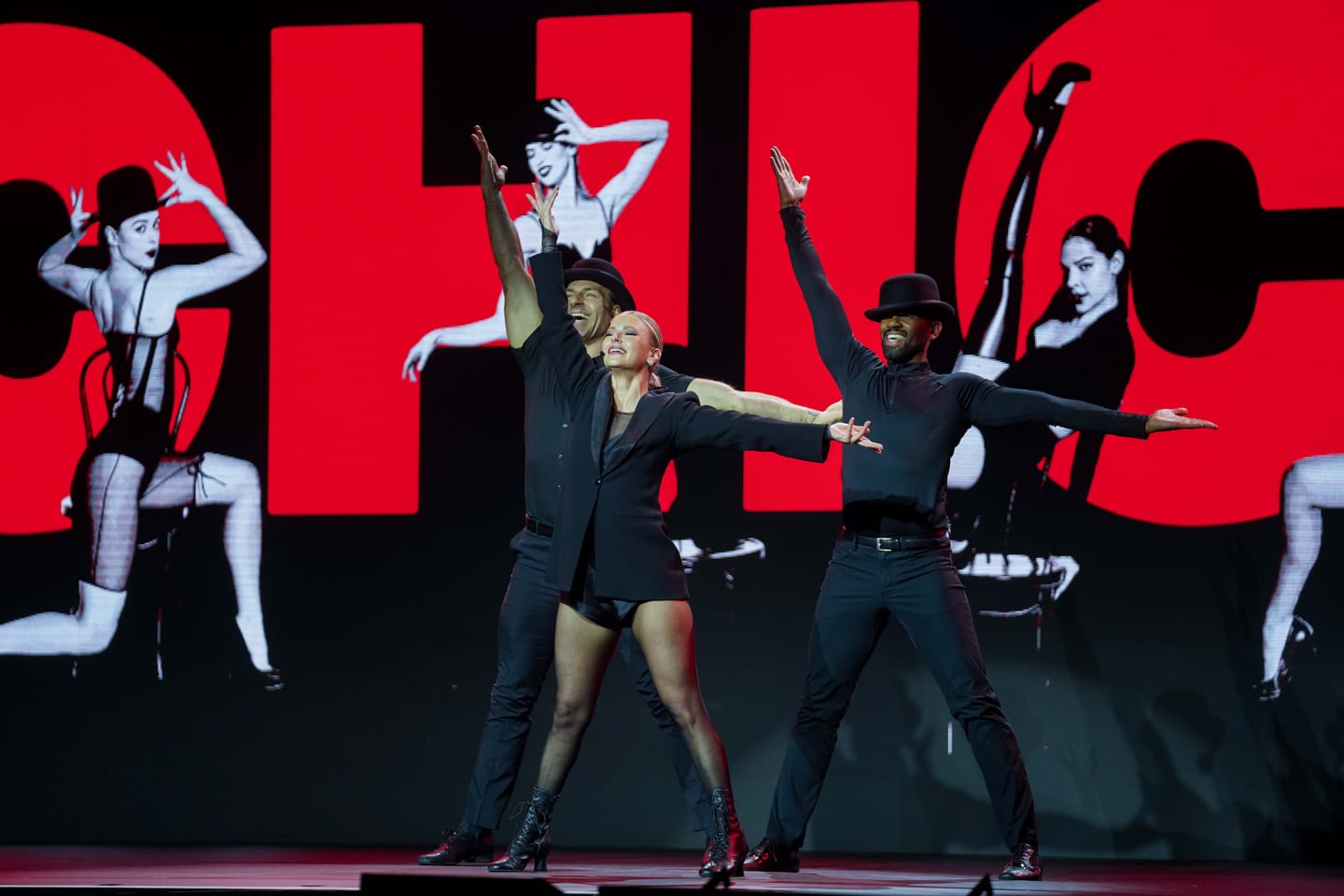
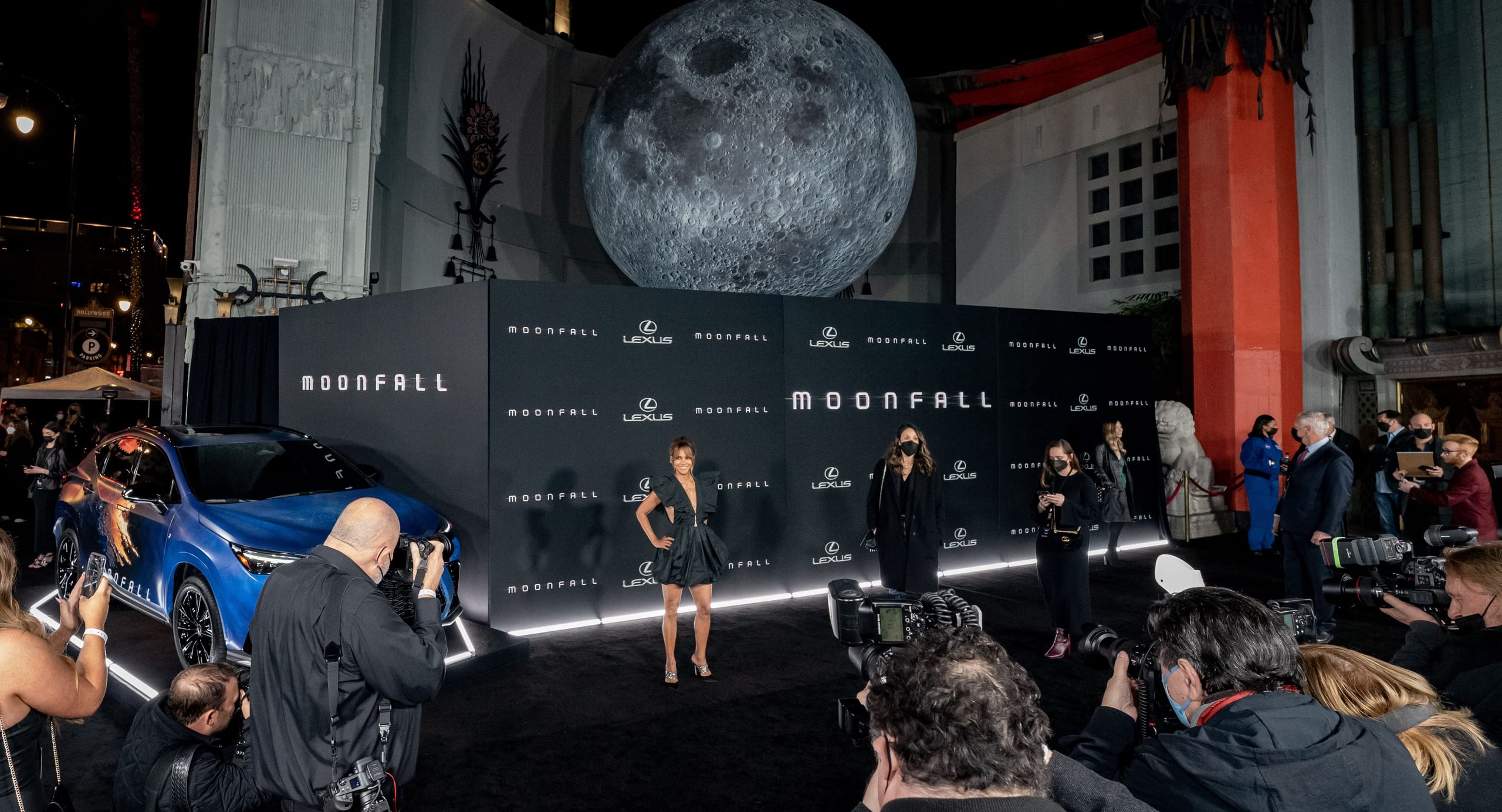
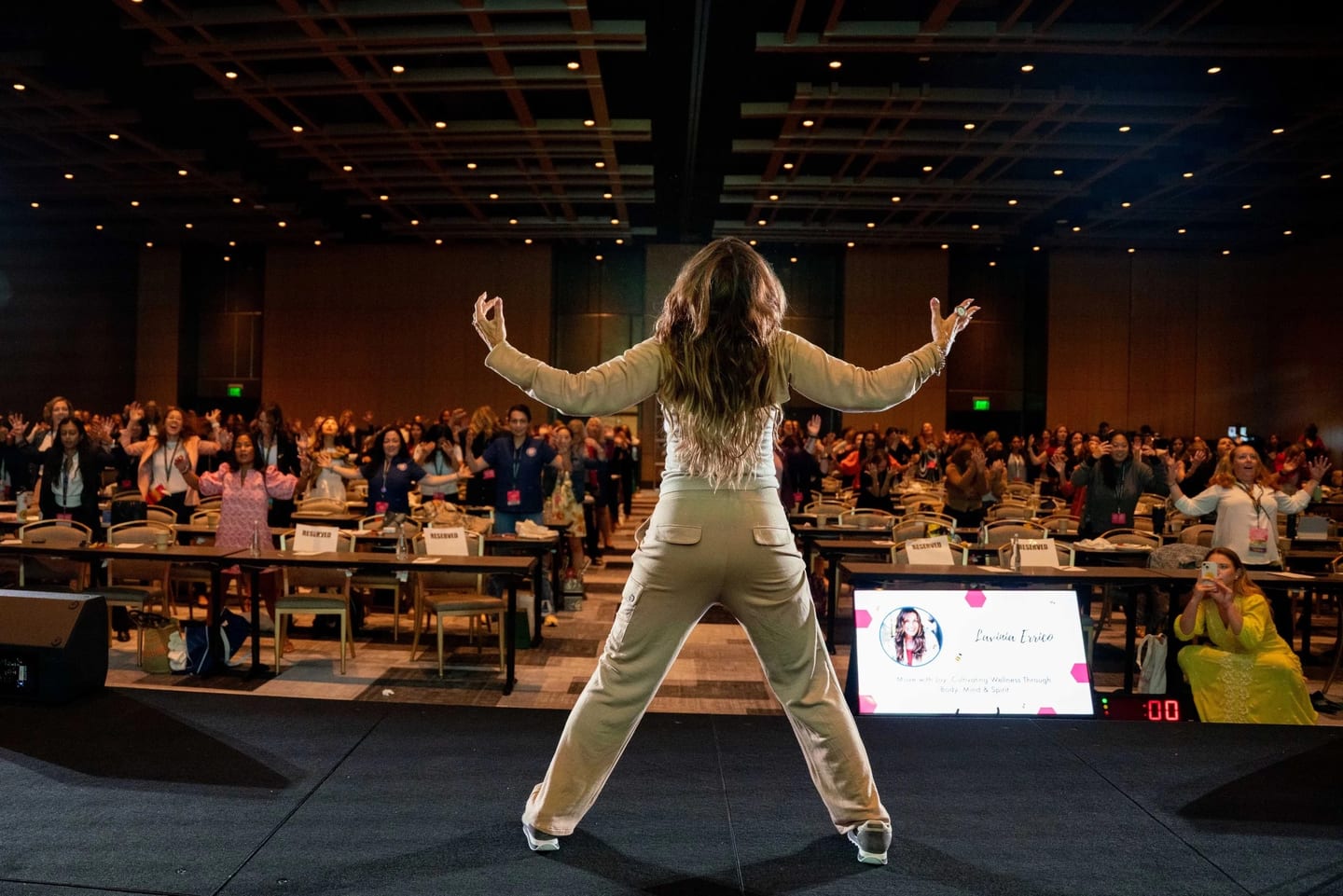
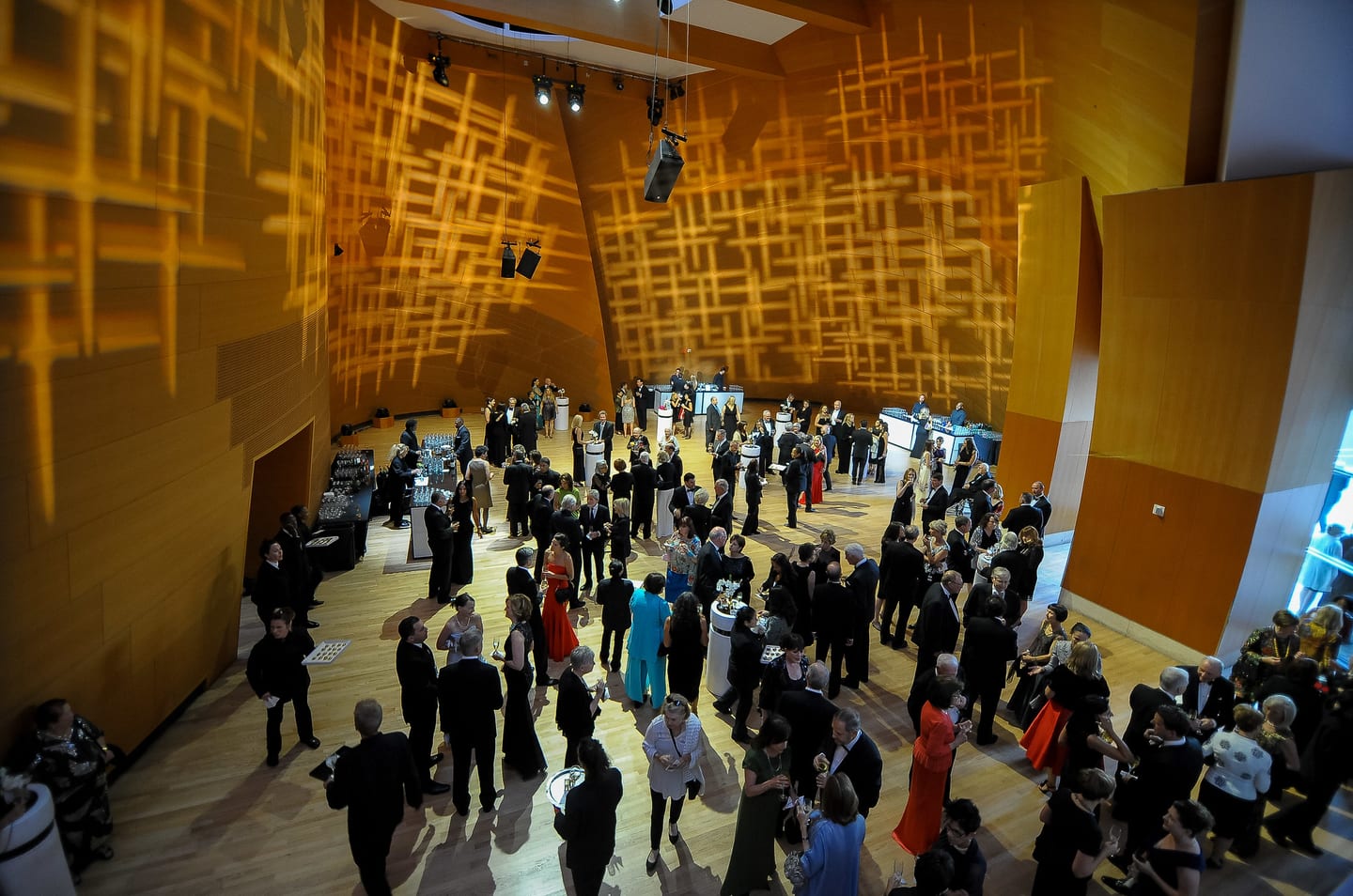
These galleries give you a better vibe of what full coverage ends up looking like.
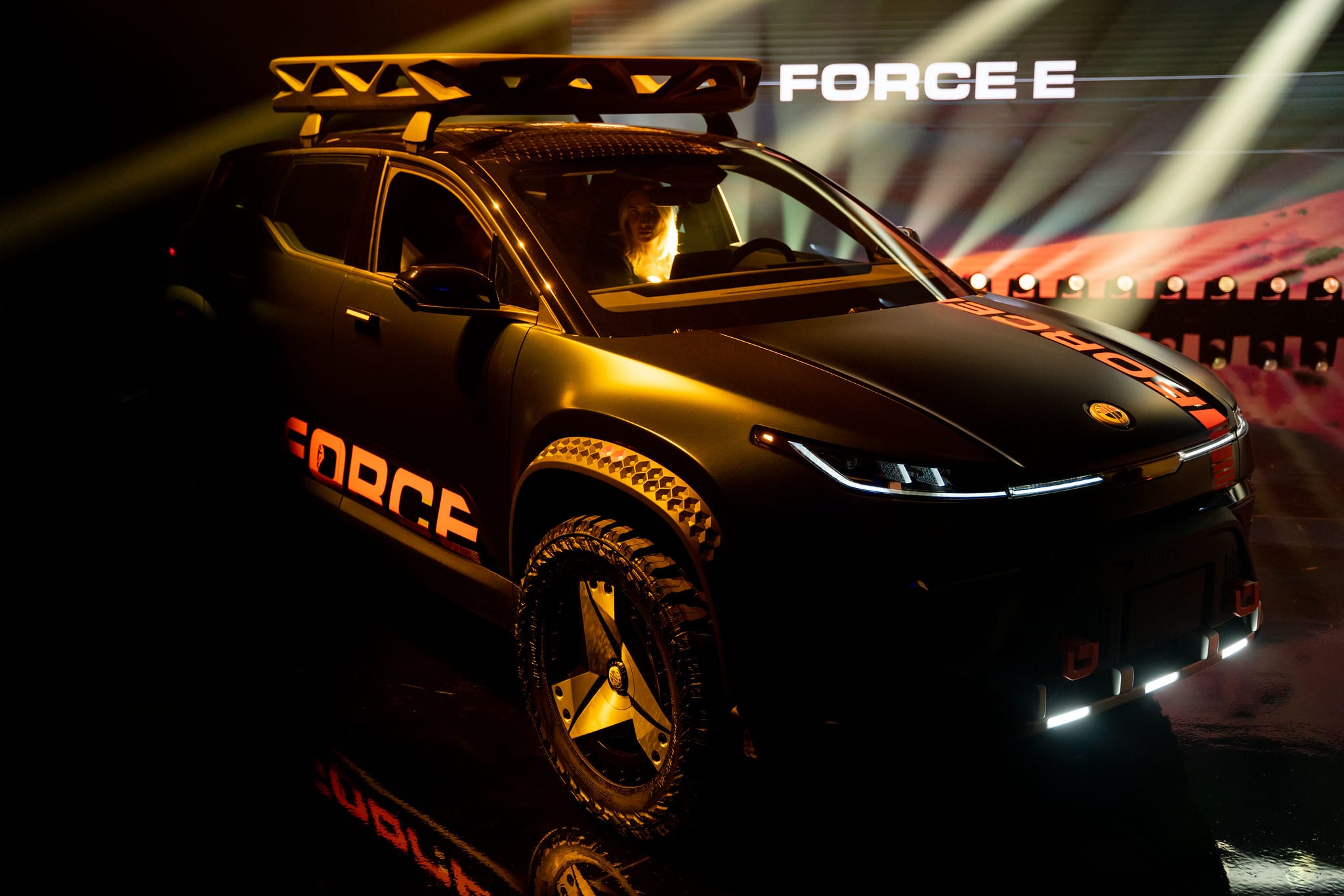
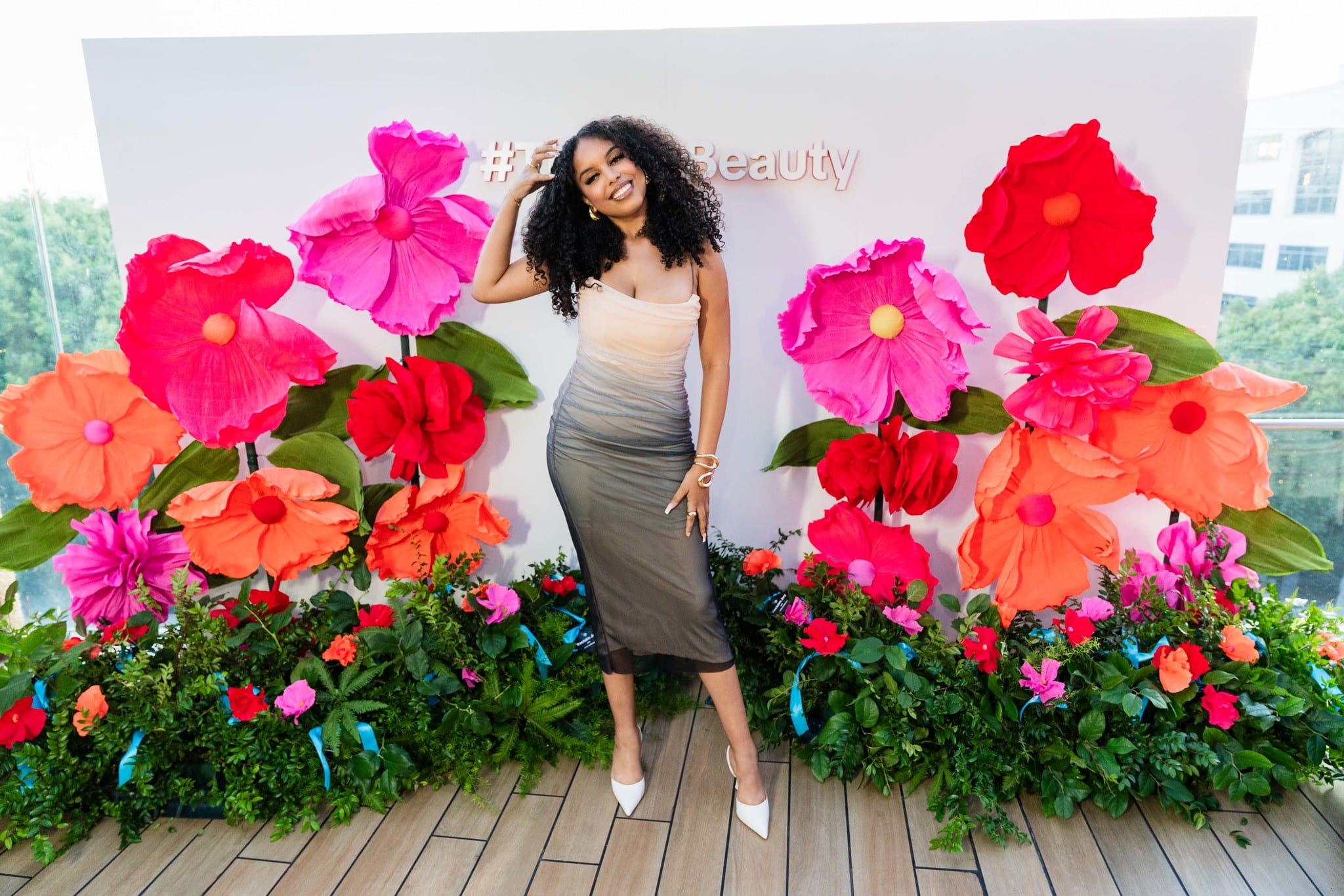
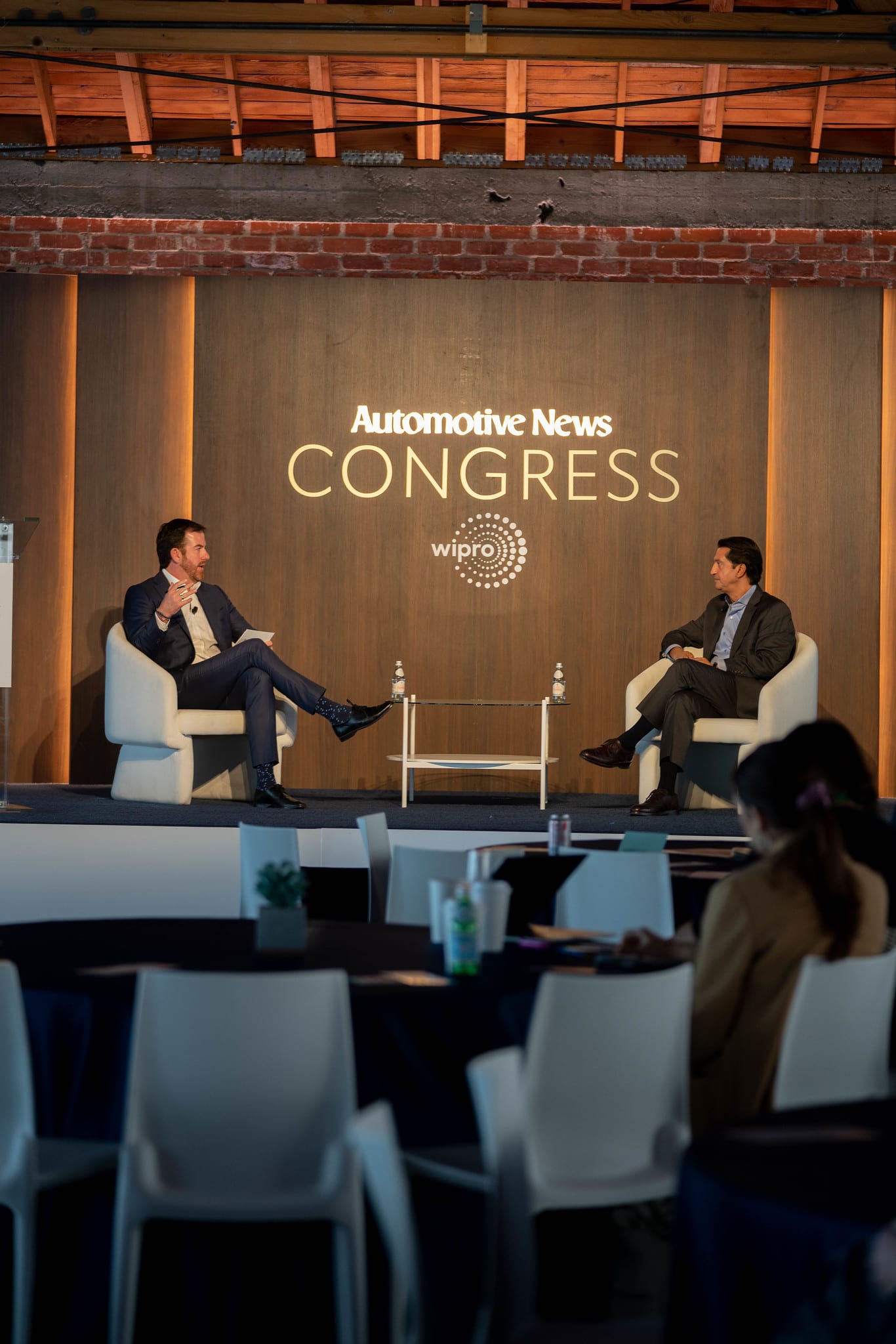
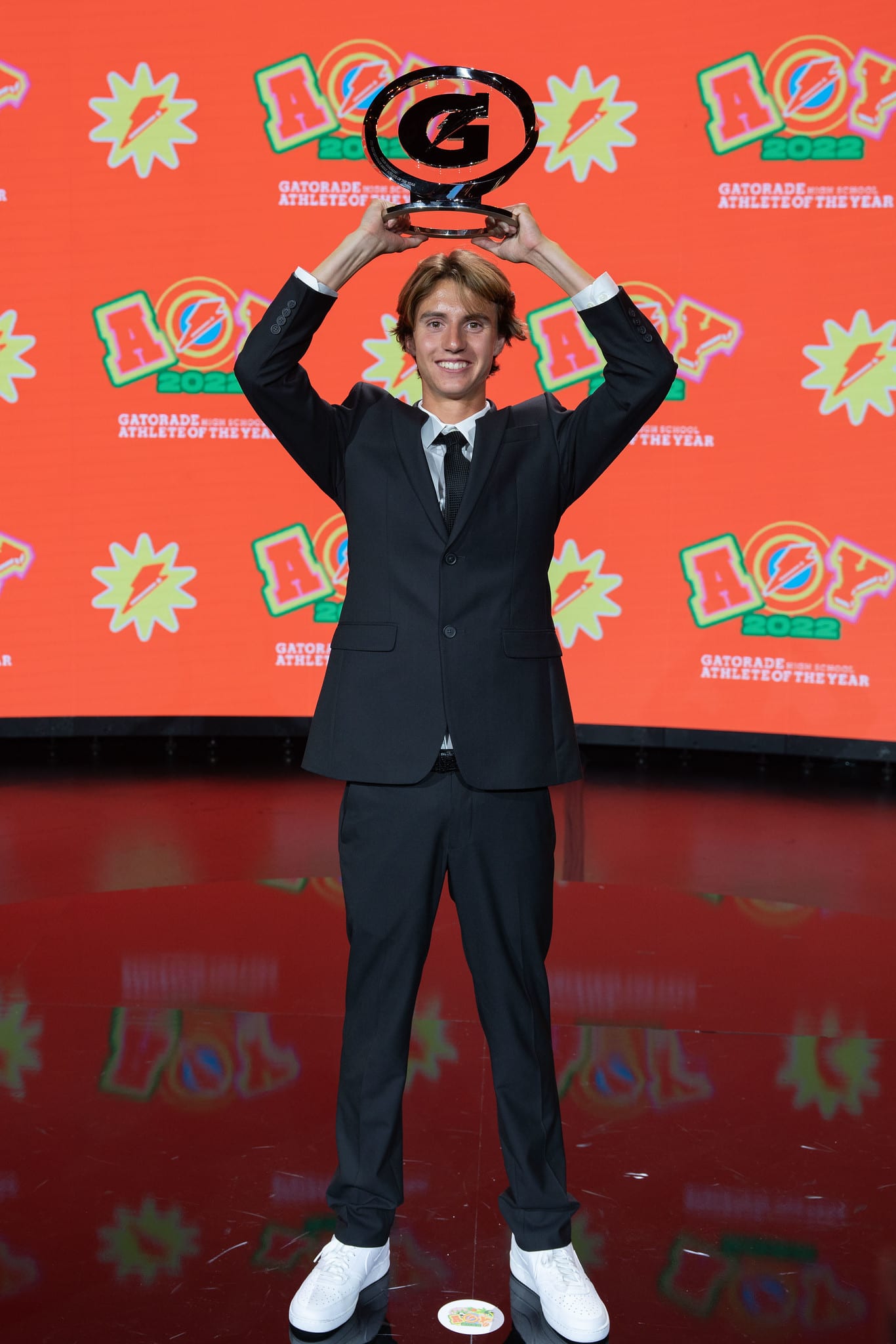
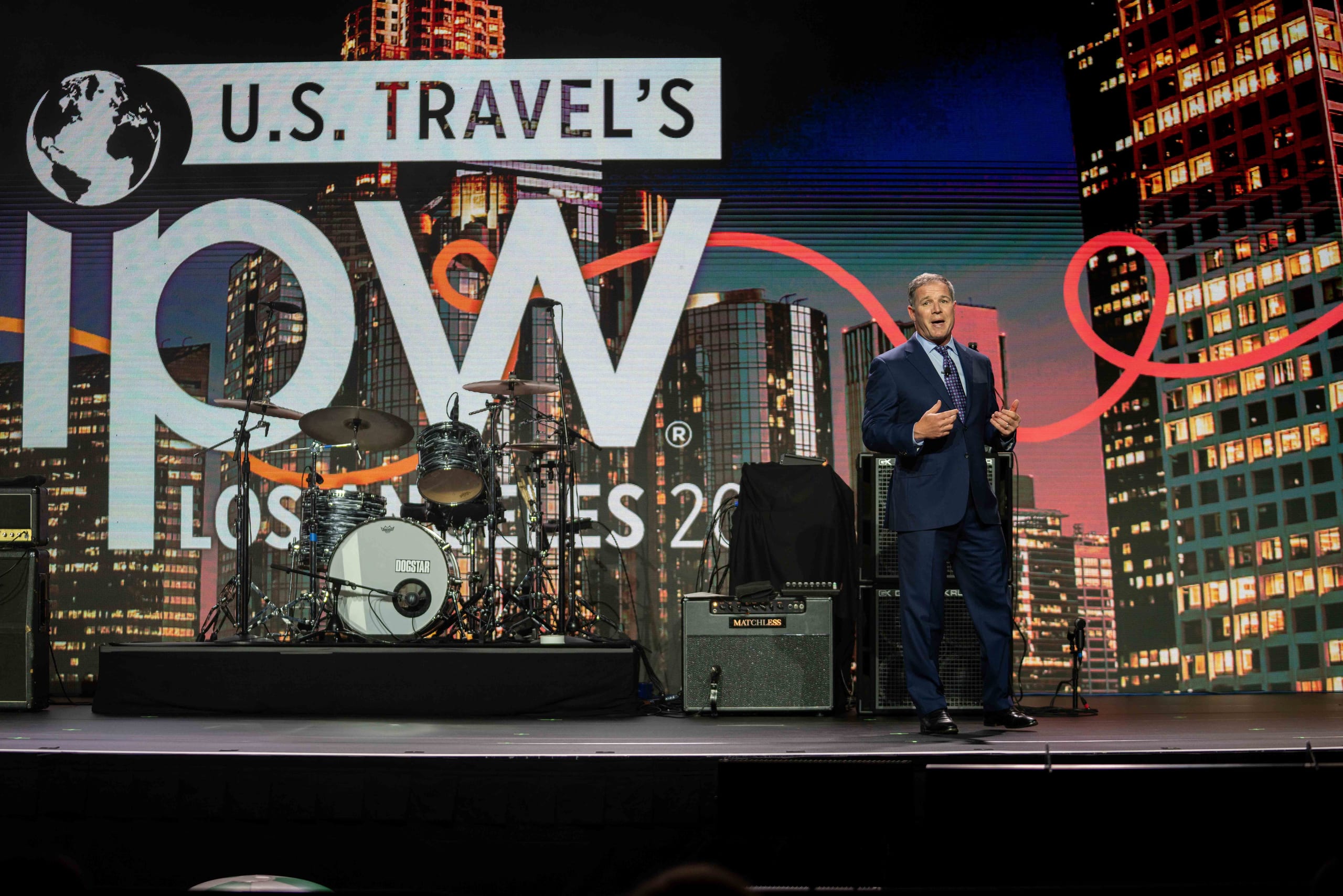
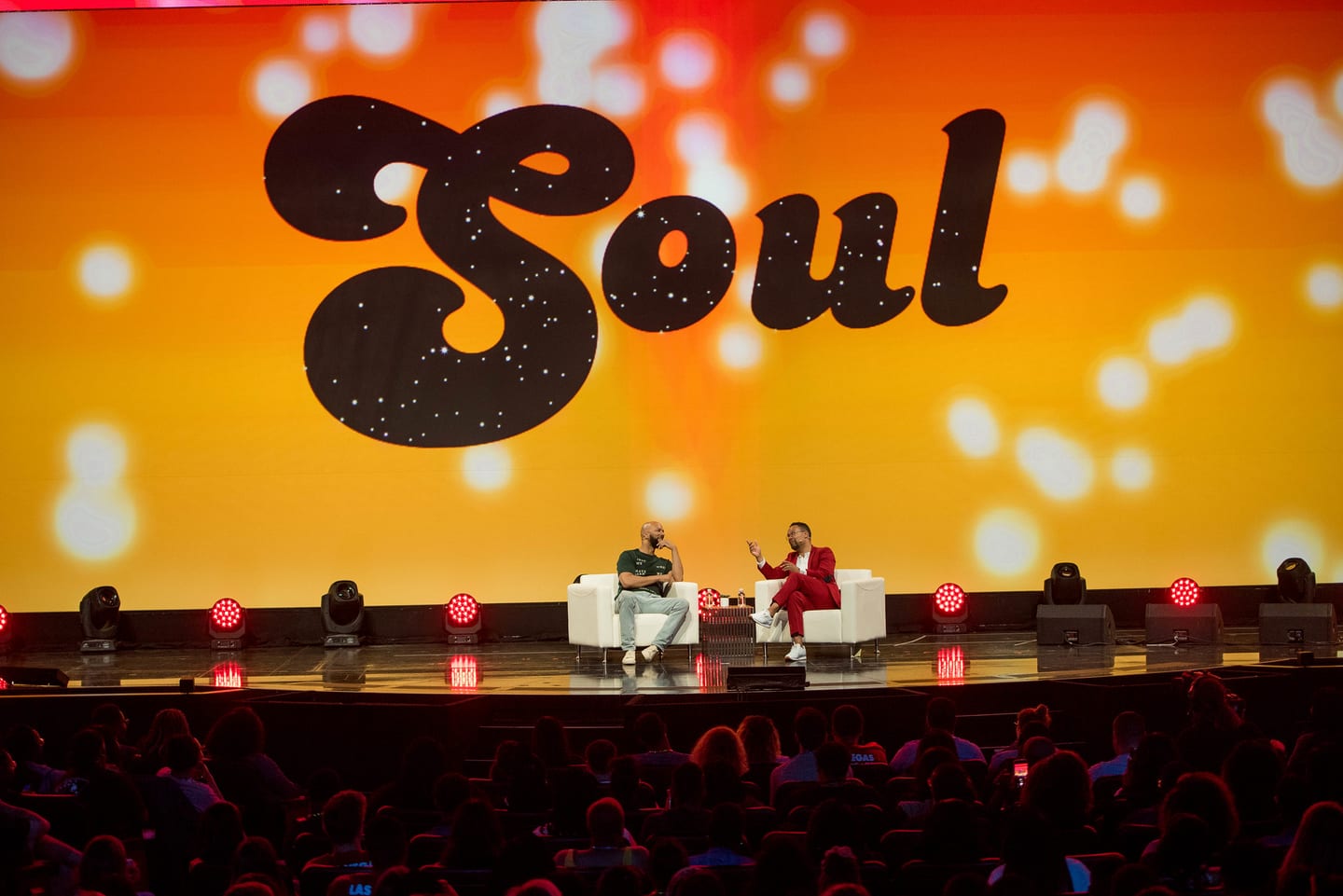
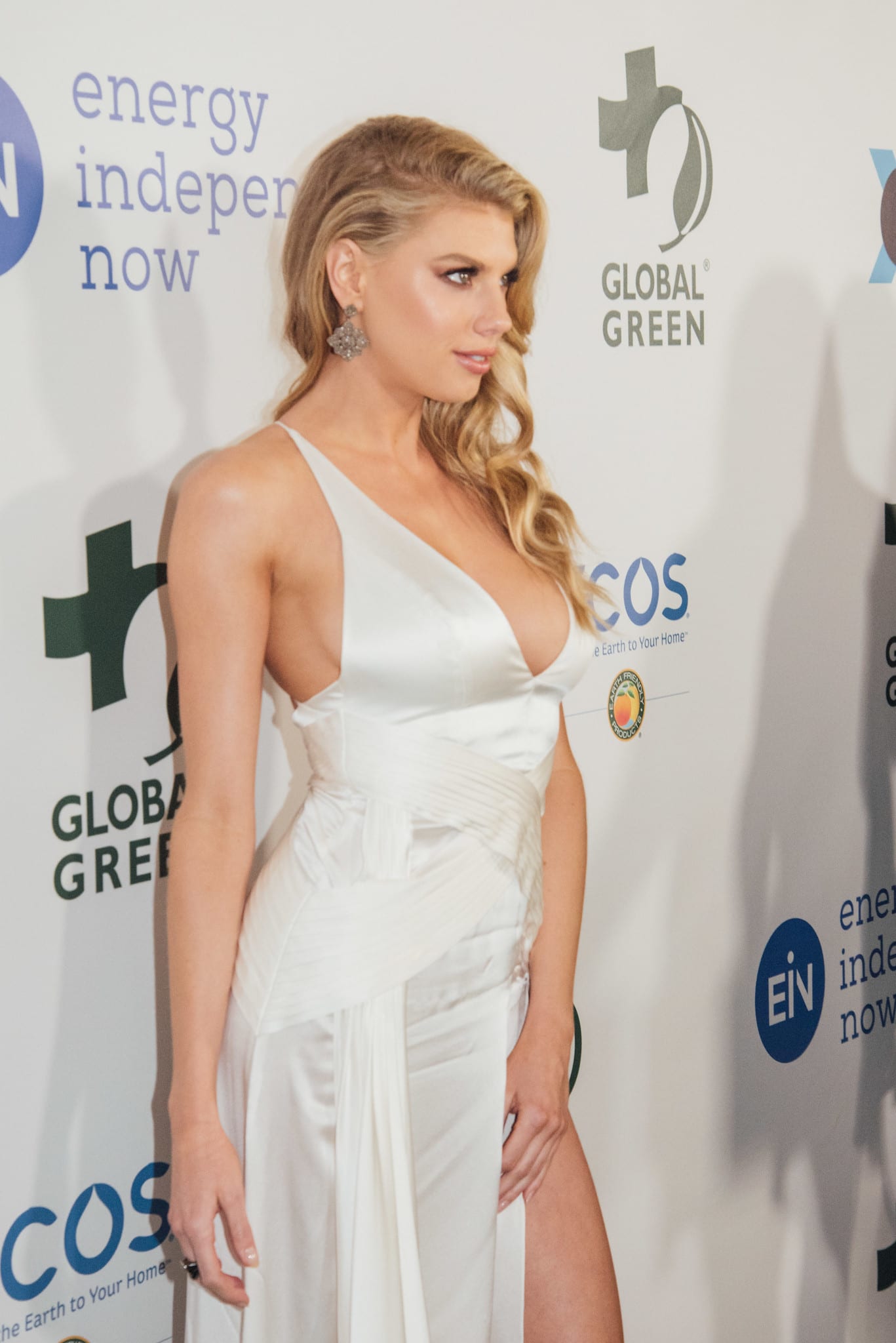
Or take a whole gallery at once: Full event galleries → · Corporate Conferences → · Event Photography → · Private Parties →
Event types I cover
The photos should be good, useful, and arrive while the event still matters. See what five days actually looks like — IPW Los Angeles 2024, 65 frames → · More about how I work →
The New York TimesForbesWIREDVarietyThe Hollywood Reporter
Former Getty Images contributor — red carpets and press events for the FilmMagic entertainment wire.
All press & editorial ↗Los Angeles — BELLA+CANVAS
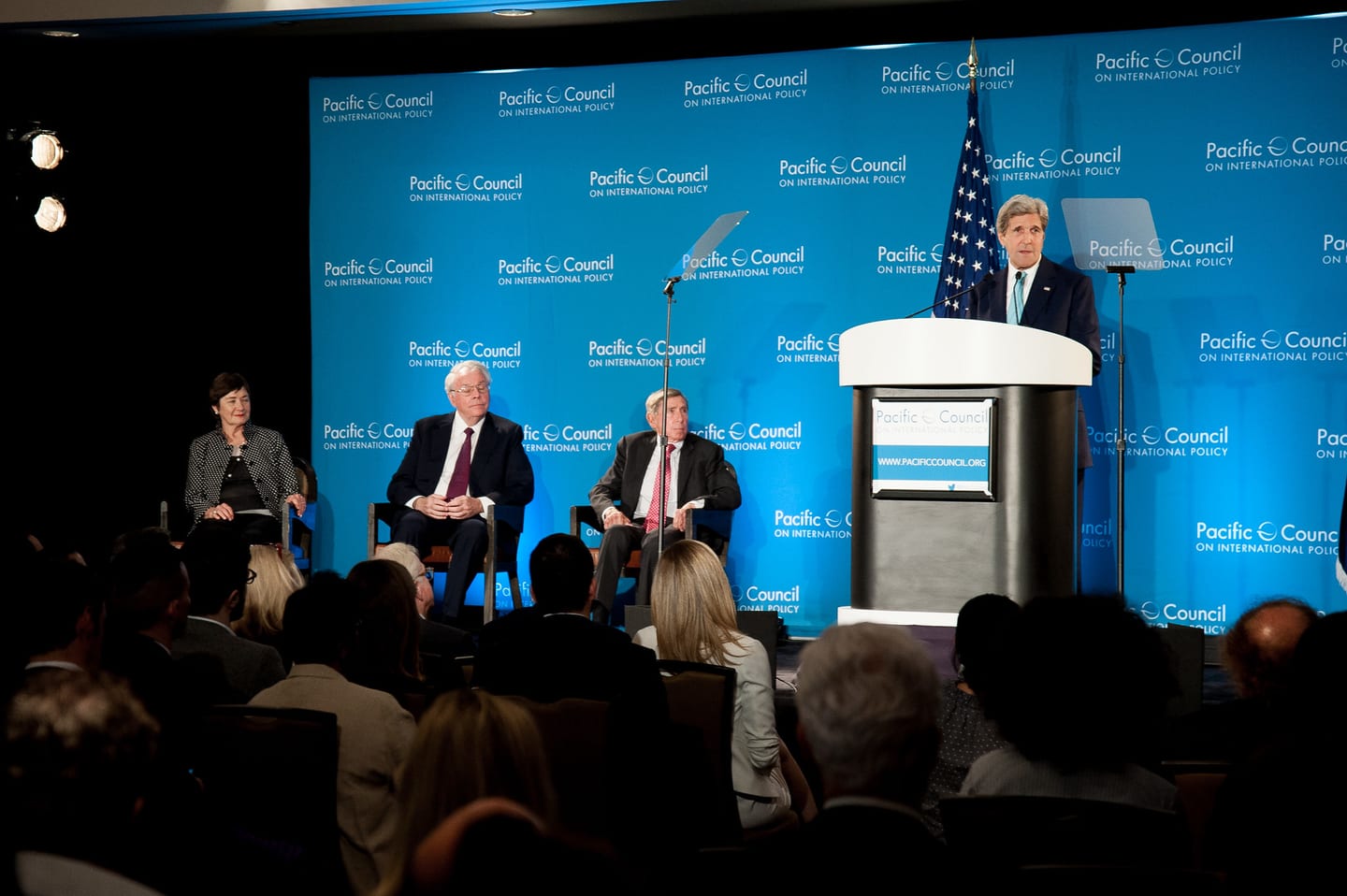
Kyle has been our go-to photographer for over five years. He’s professional, responsive, and down to earth — a winning combination for us and our high-profile speakers: Secretaries of State, Presidents, foreign leaders.
Alexandre Moore — Pacific Council · 5.0 on Google, 46 reviews
The shot list: what comes back.
Most shot lists are variations of the same basic needs. This is what I look for at nearly every event.
-
 01
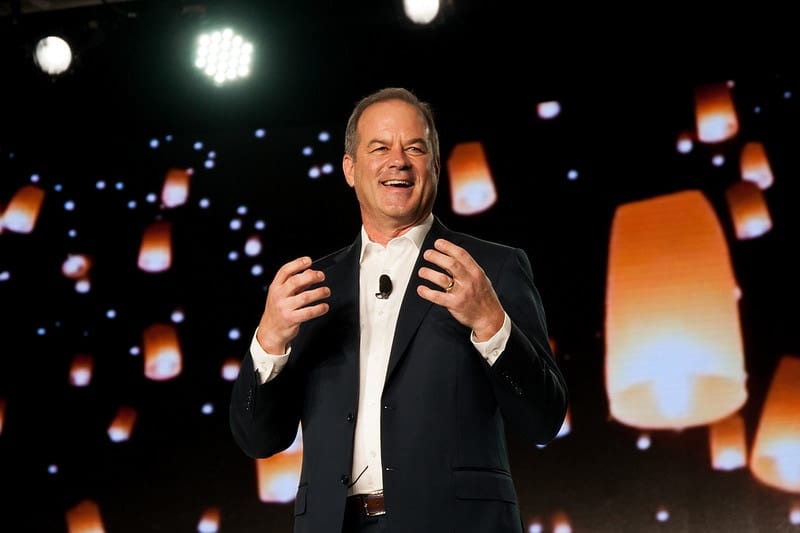
01Keynotes & speakers
The speaker, the stage, and the screen behind them. Clean expressions, not fifty versions of someone talking with their eyes closed or caught at a weird angle.
 03
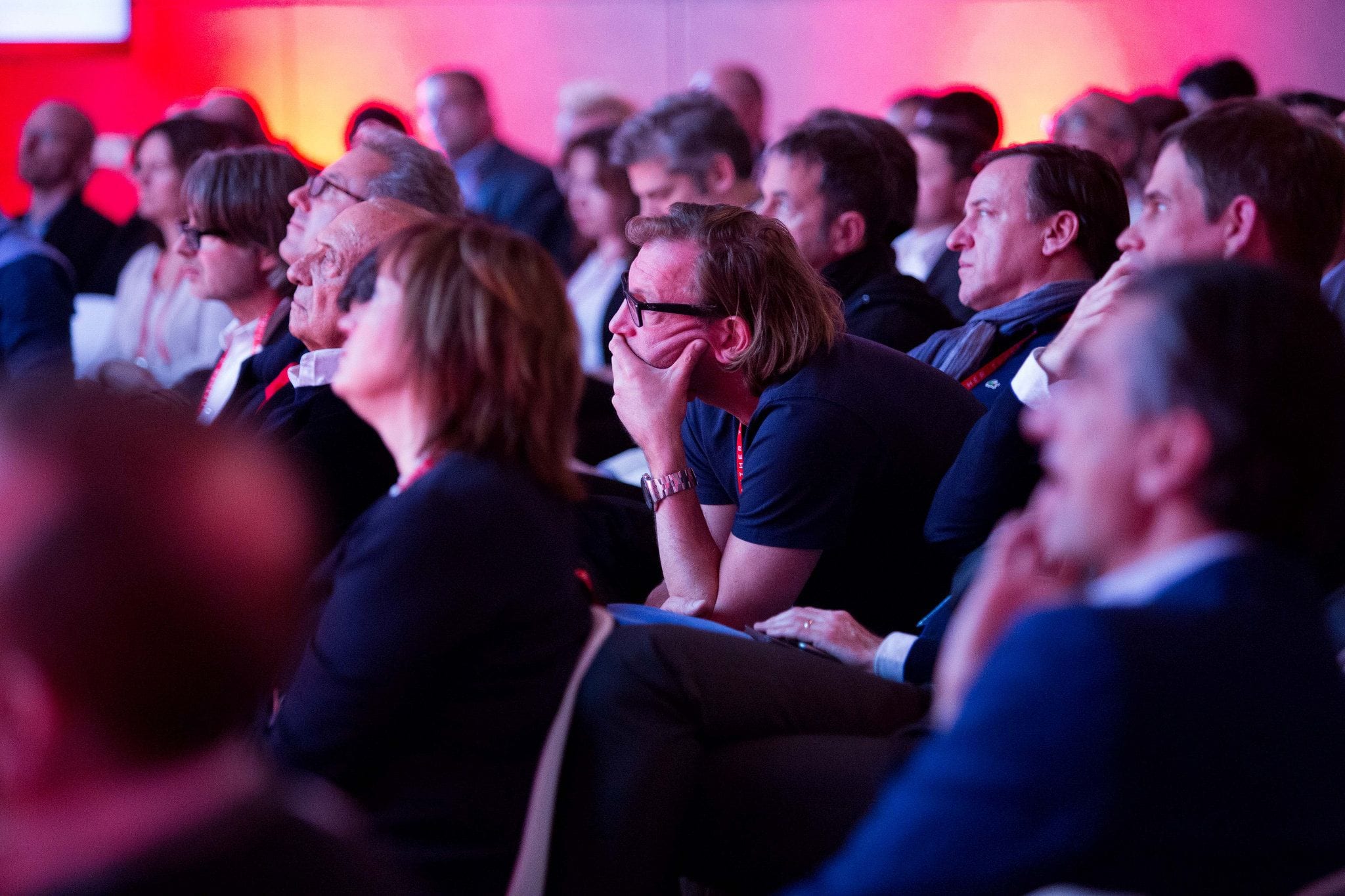
03Audience
The reverse angle: people listening, laughing, taking notes, or using the product. You need to show that the event landed with somebody.
-
 02
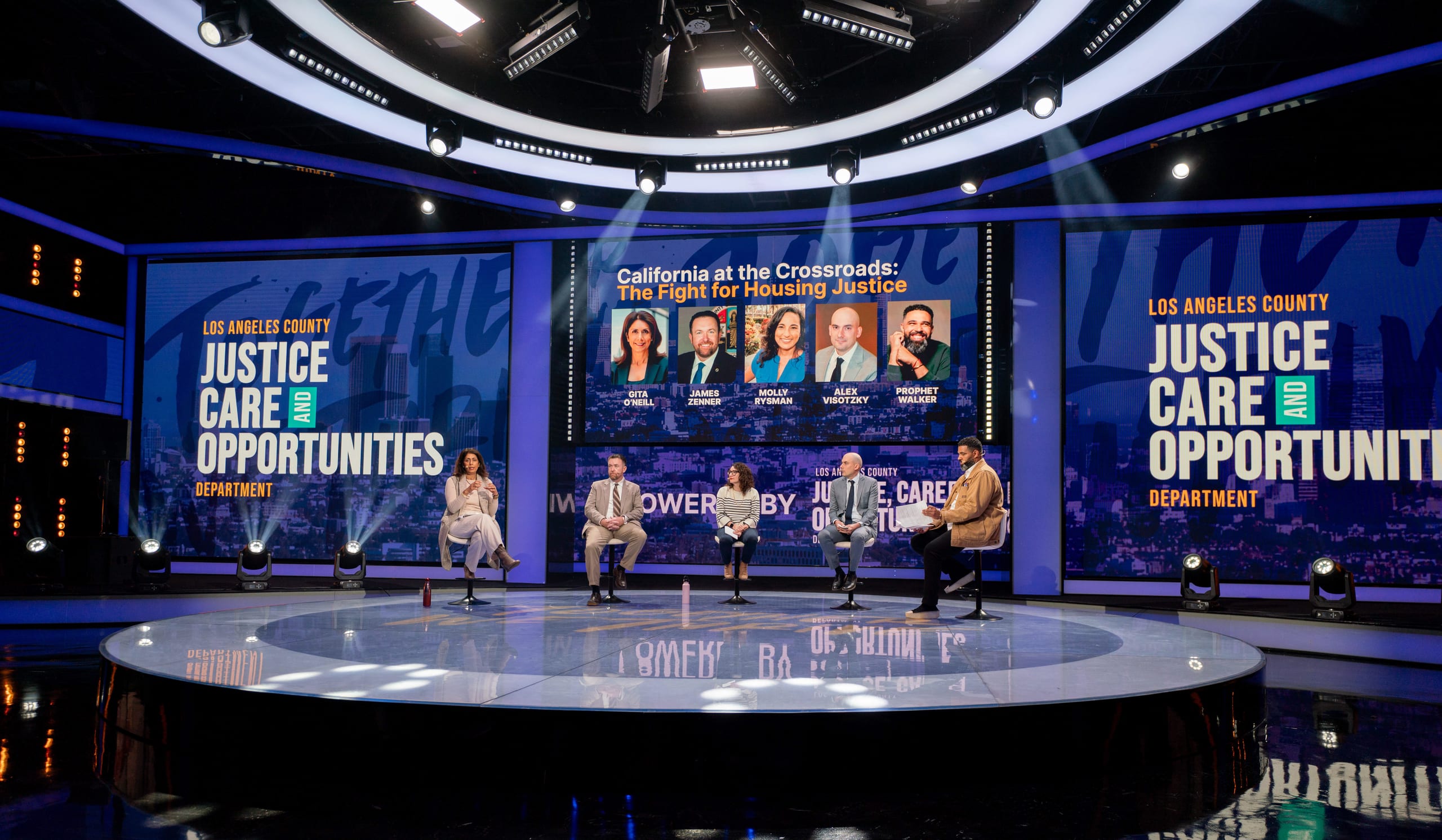
02Panels
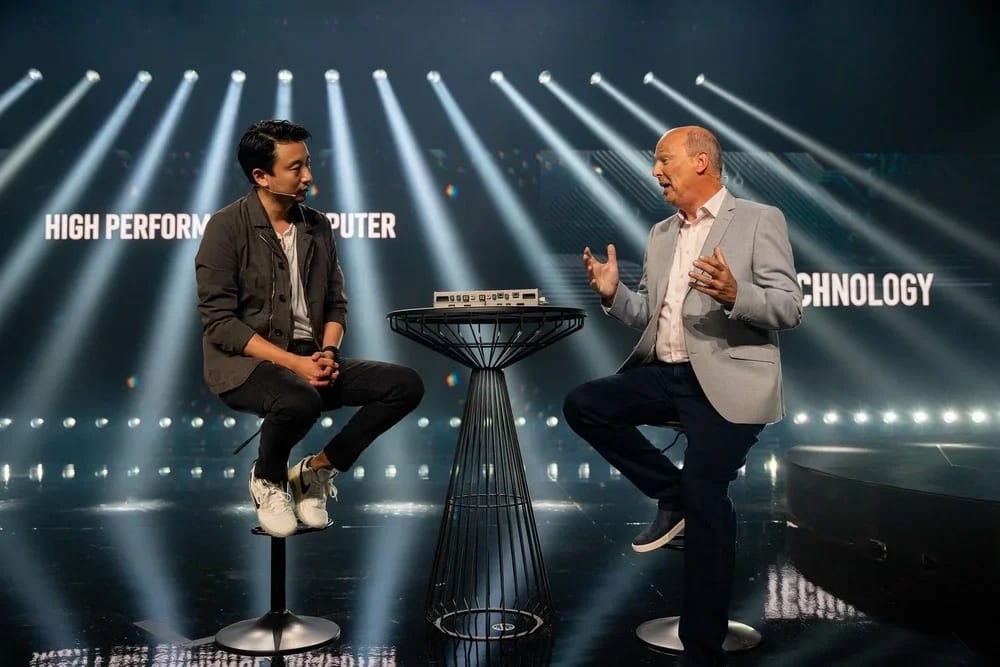
Each panelist while they’re speaking, the moderator, the full stage, and the exchanges between people.
 04
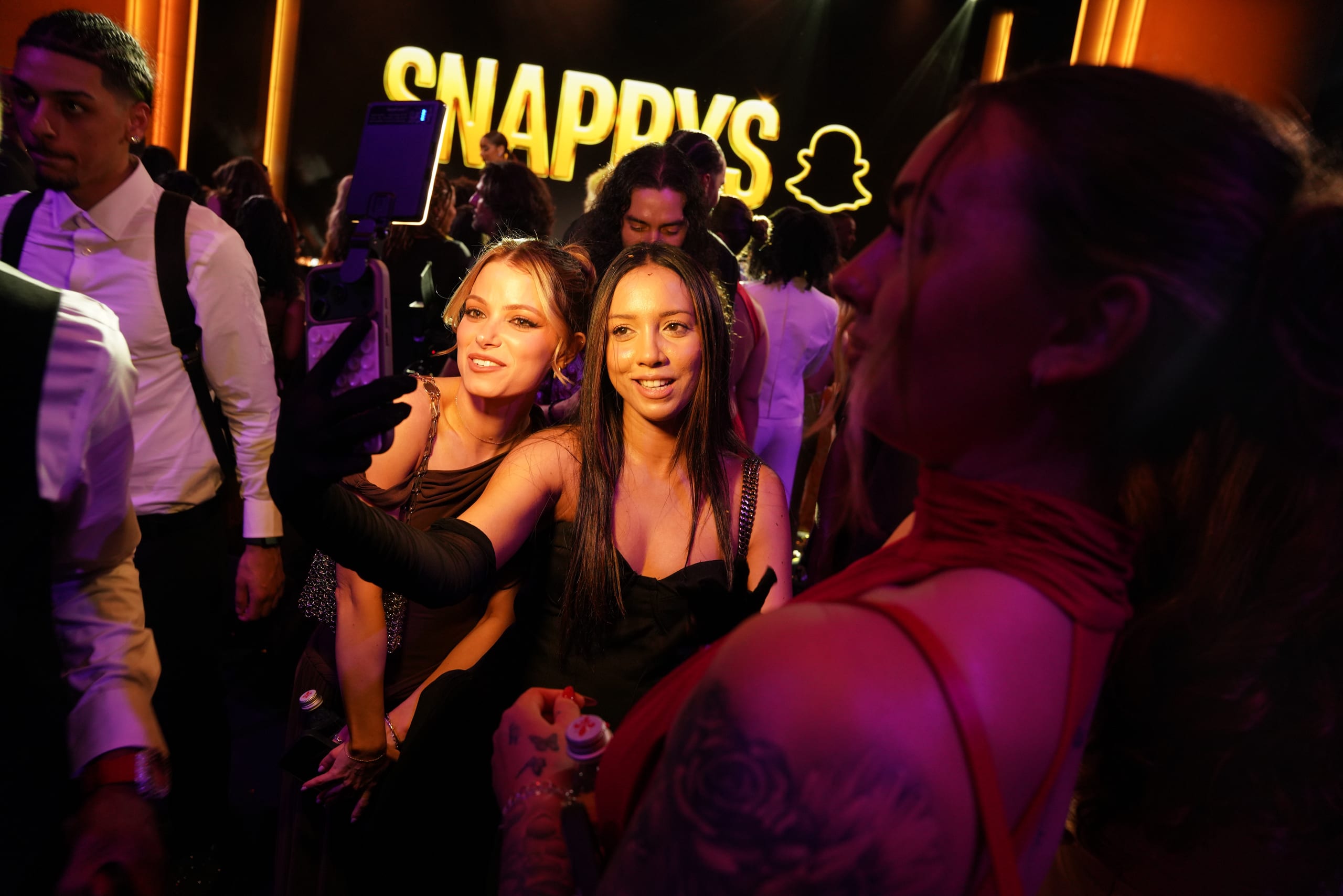
04Candids
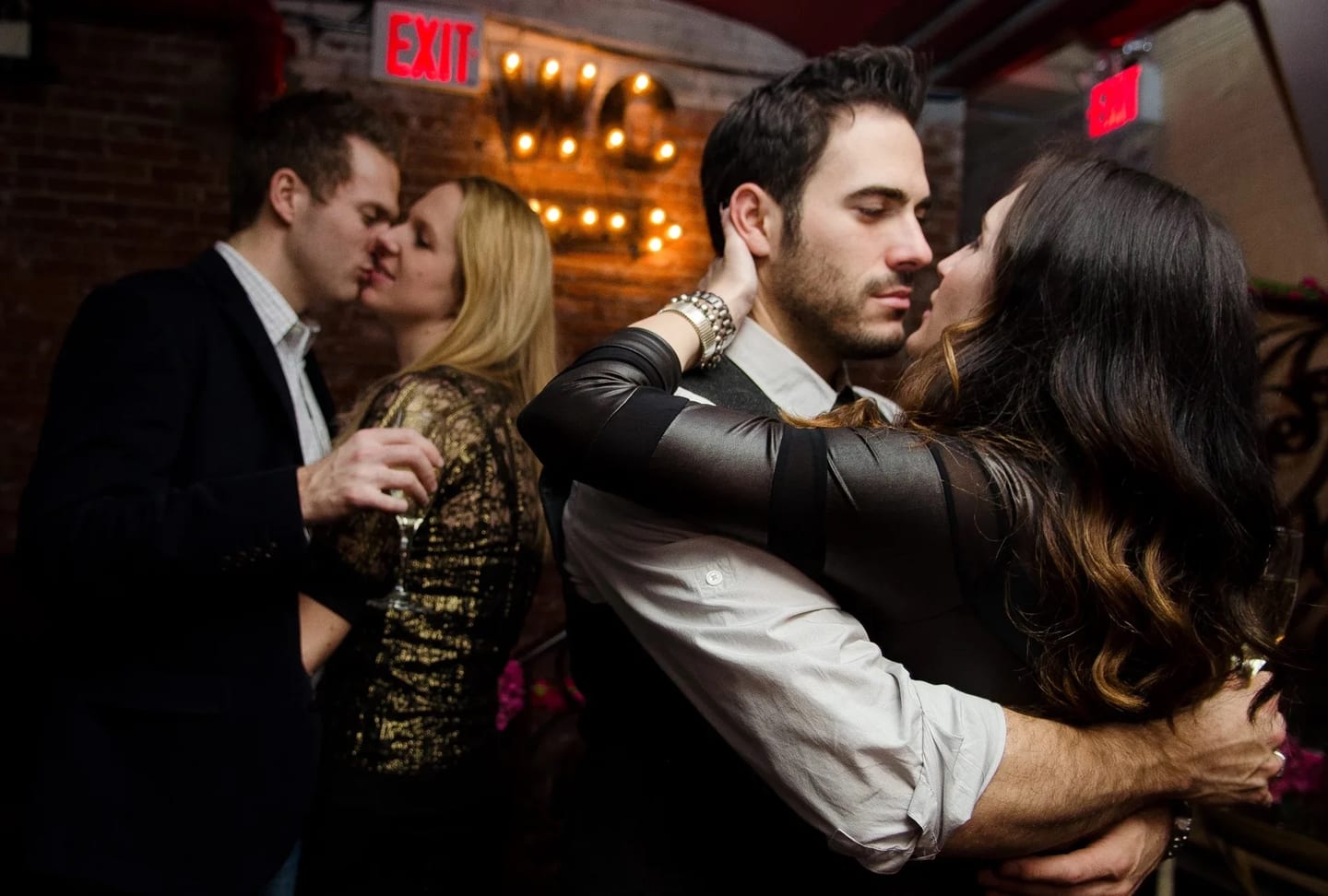
Real interactions that weren’t arranged for the camera. This is usually what the marketing team ends up using most.
-
 05
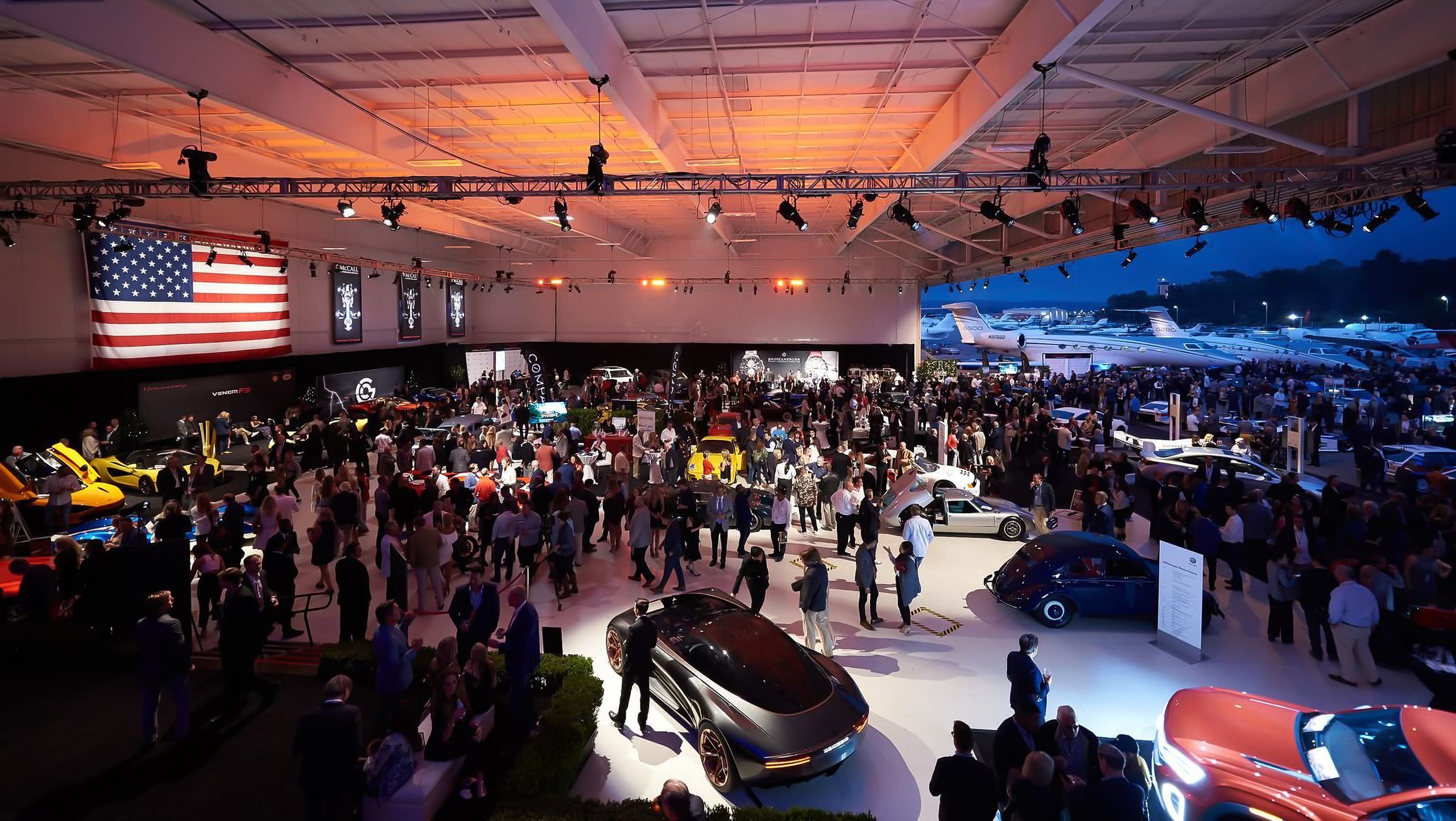
05Scale & setting
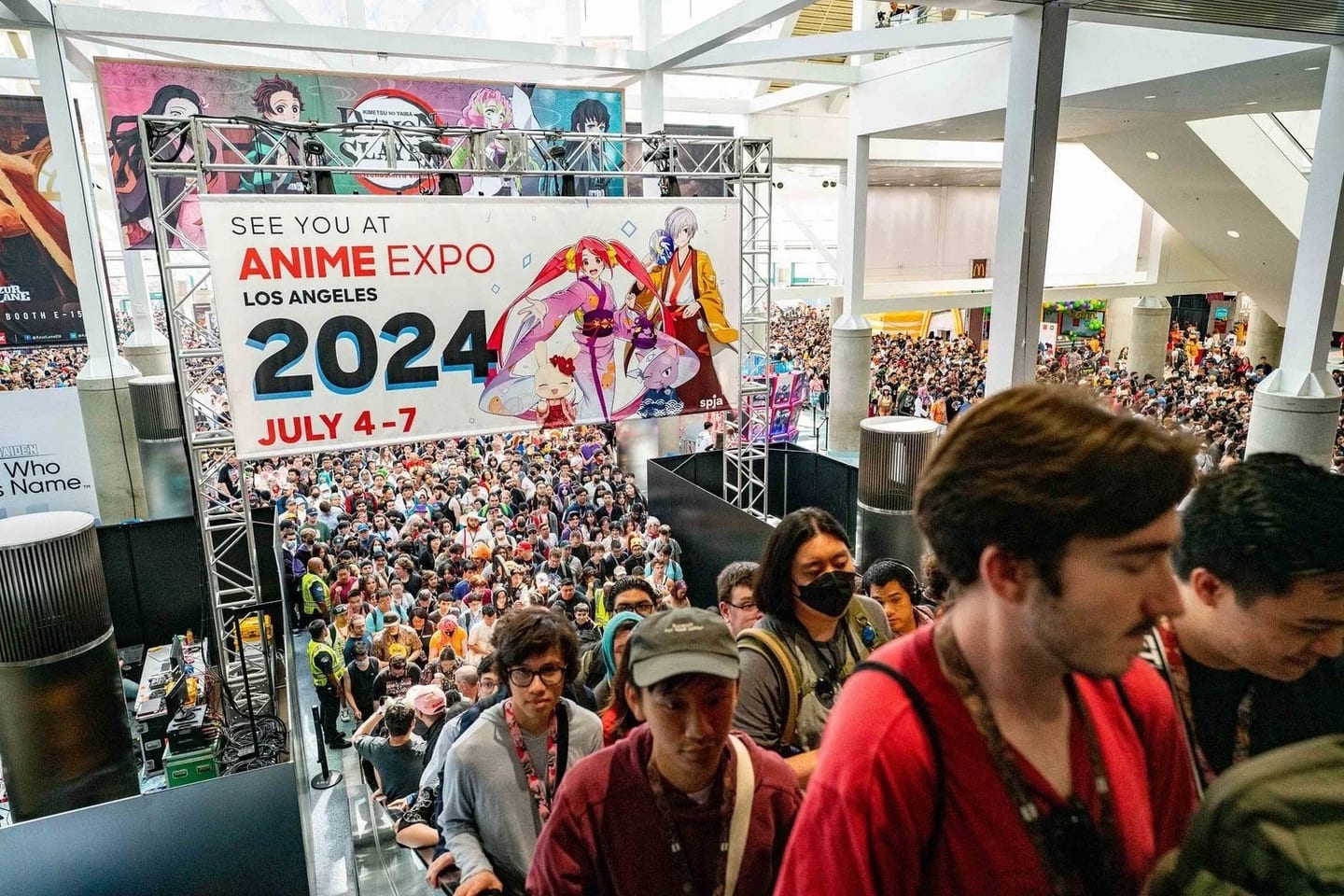
Wide frames that show the turnout, the venue, and what the production team built.
 07
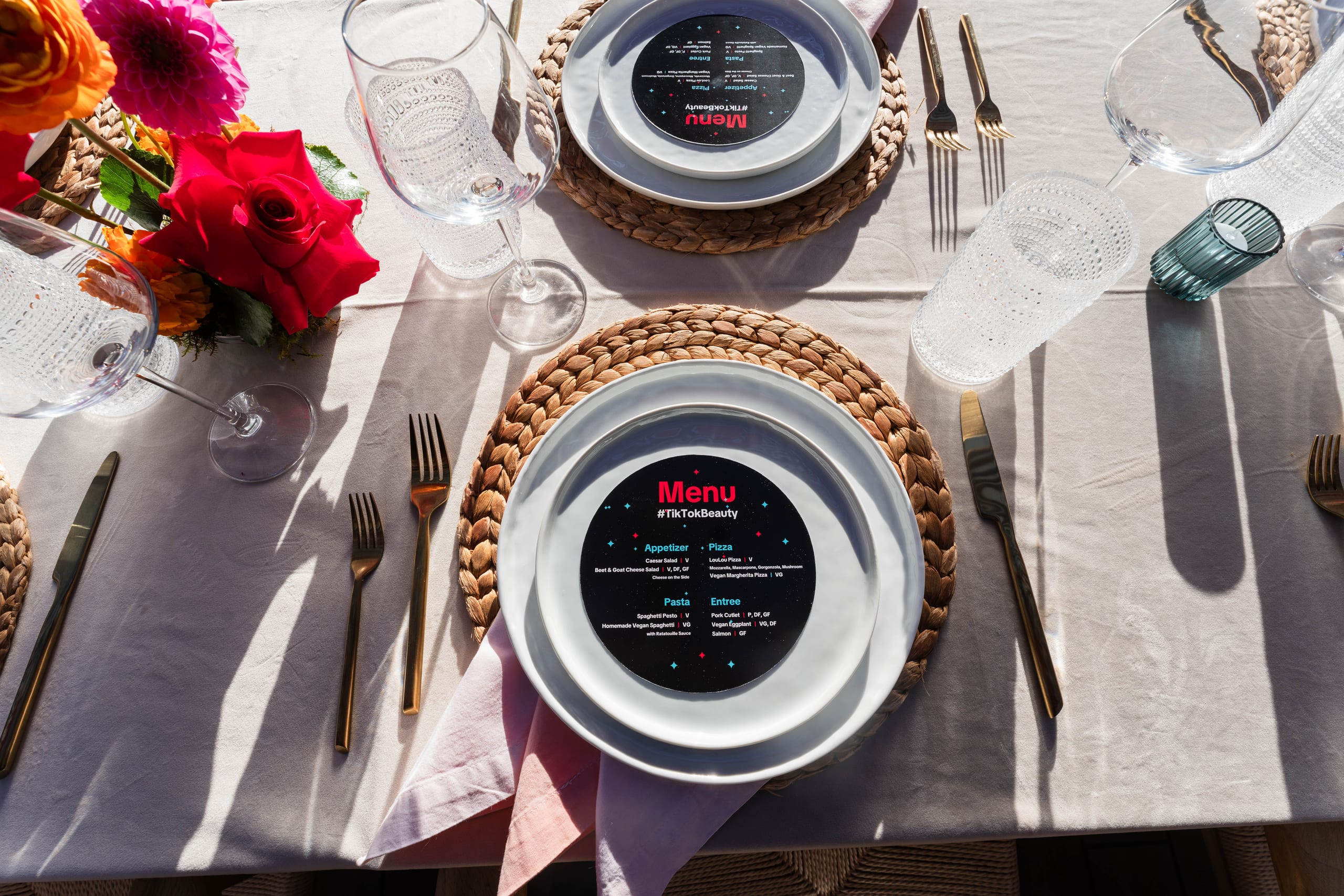
07Details
Place settings, signage, drinks, products, gifts, and the small things somebody spent a lot of time getting right.
-
 06
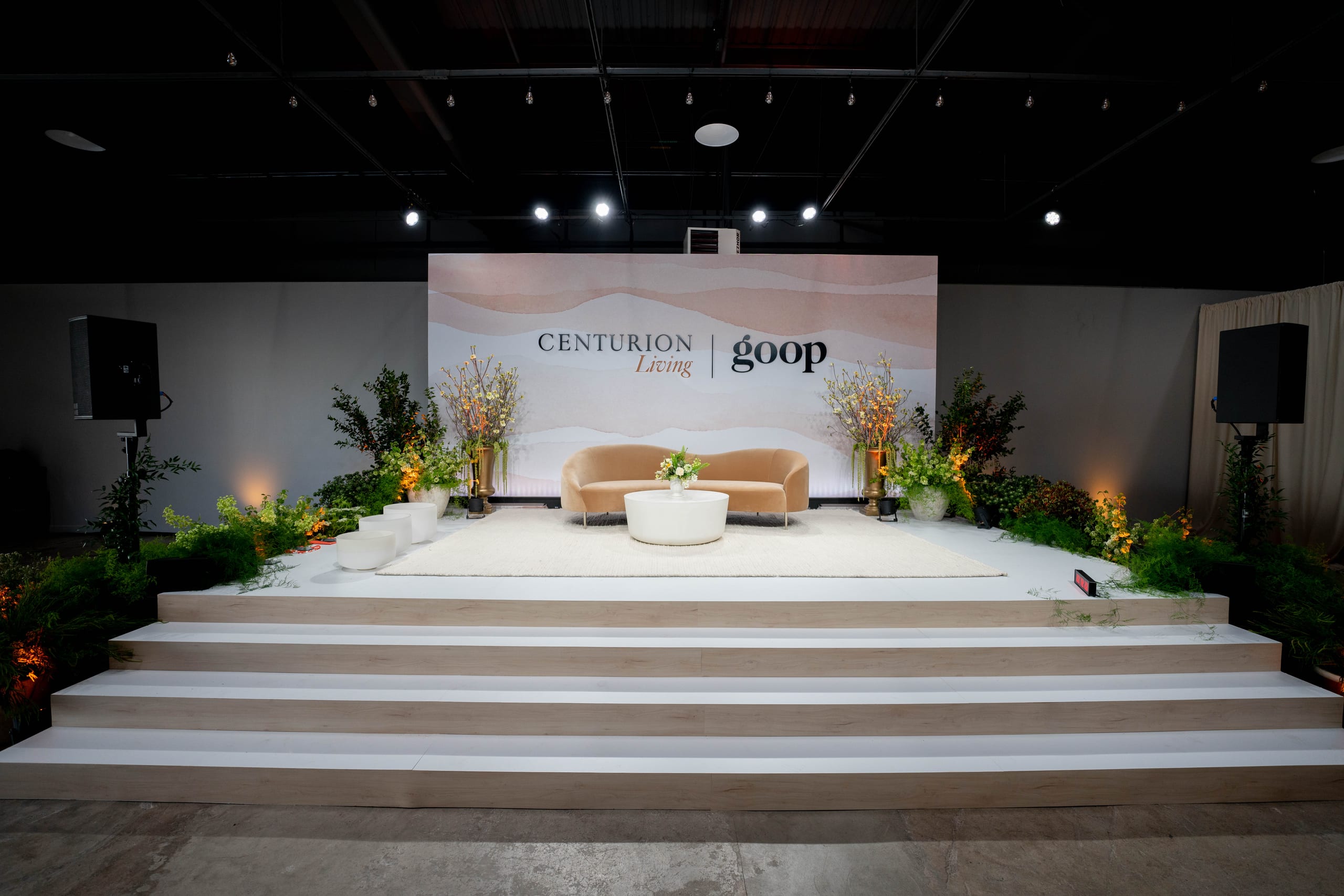
06Setup before doors
The stage, florals, lighting, tables, and branding before guests arrive. The production team made it. They should have clean photos of it.
 10
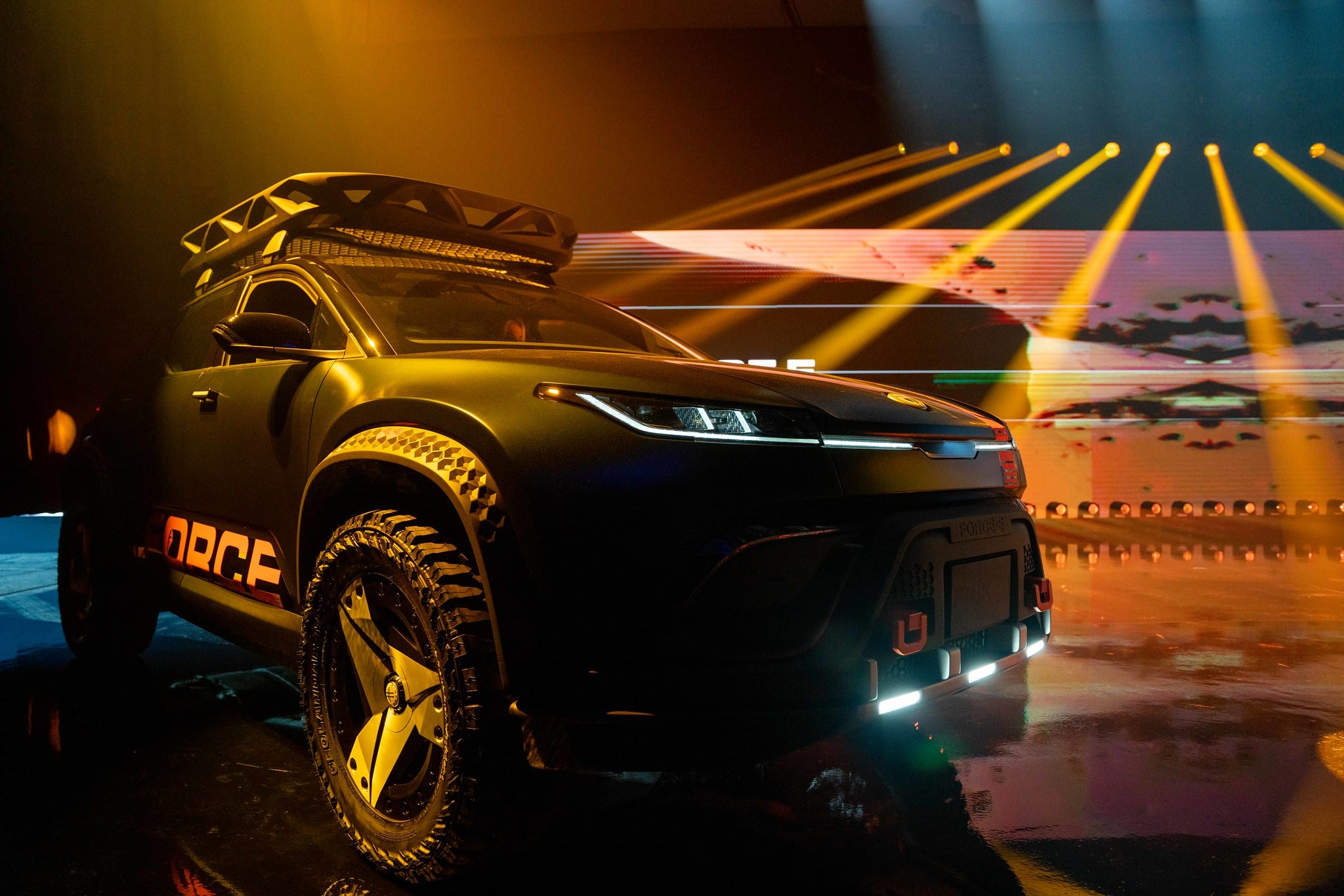
10The product
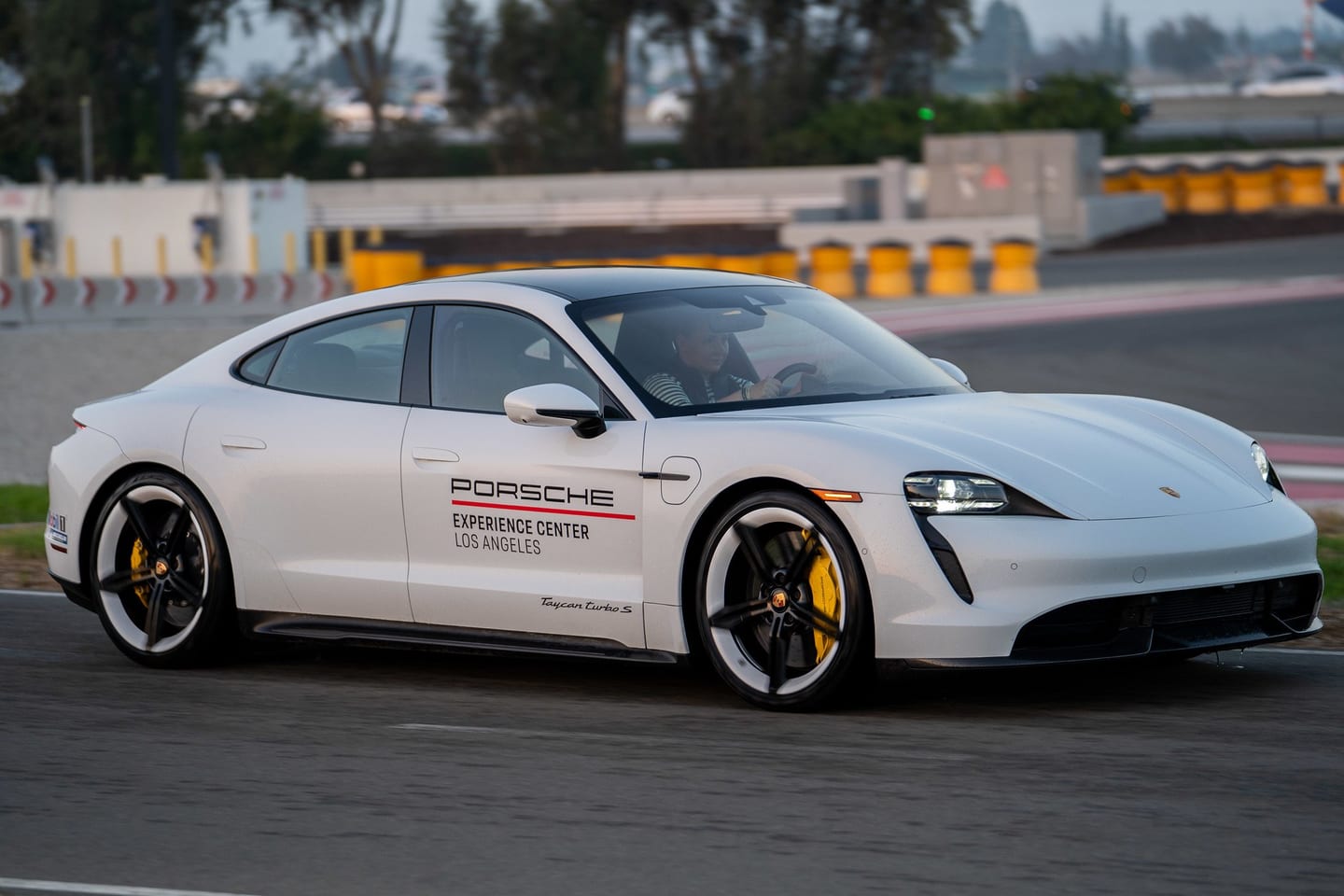
The car, bottle, device, installation, or whatever the event was built around — plus people actually interacting with it.
-
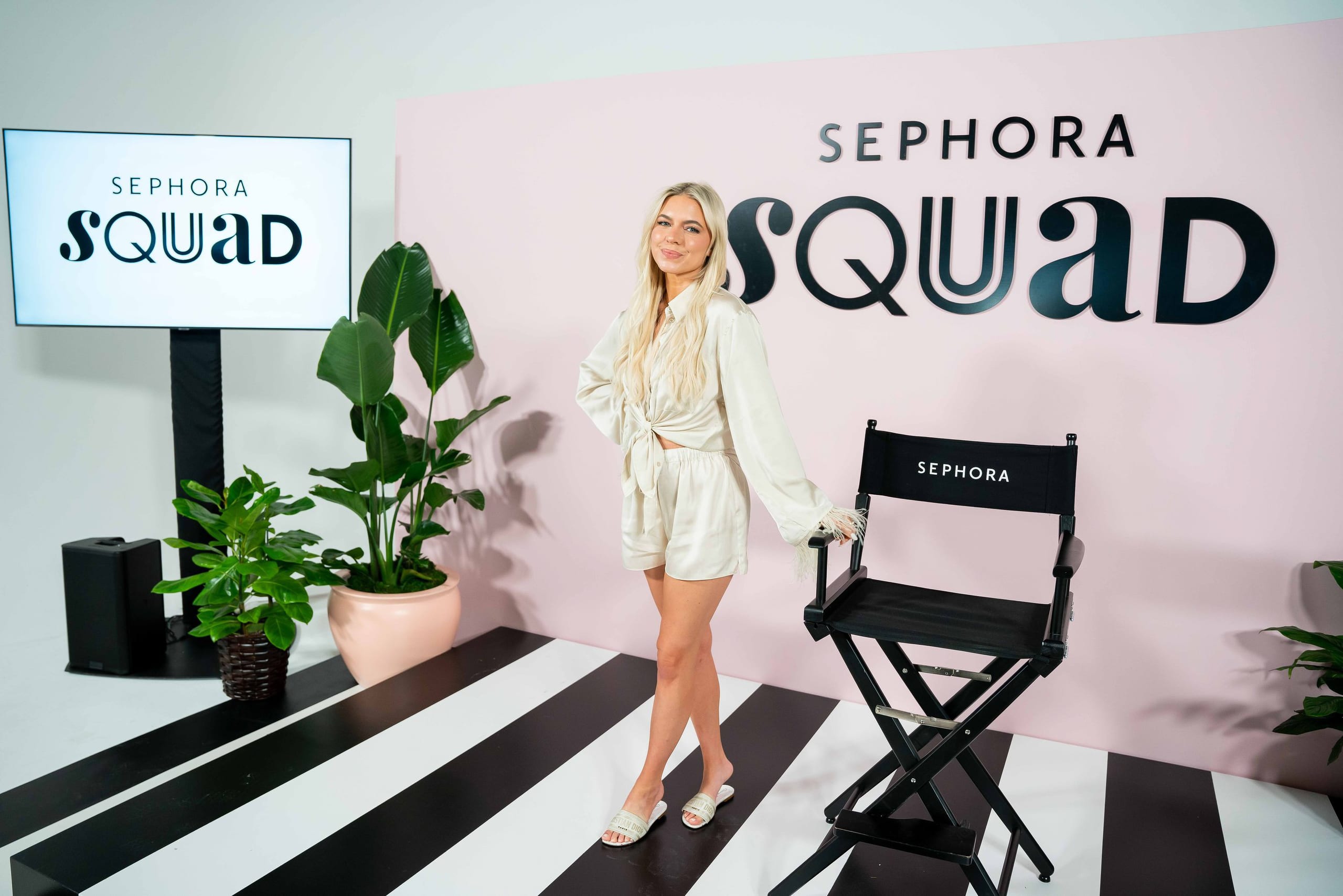 08
08Branding
Sponsor walls, logos, event signage, and branded environments. The best sponsor photograph usually has the branding and a real attendee interaction in the same frame.
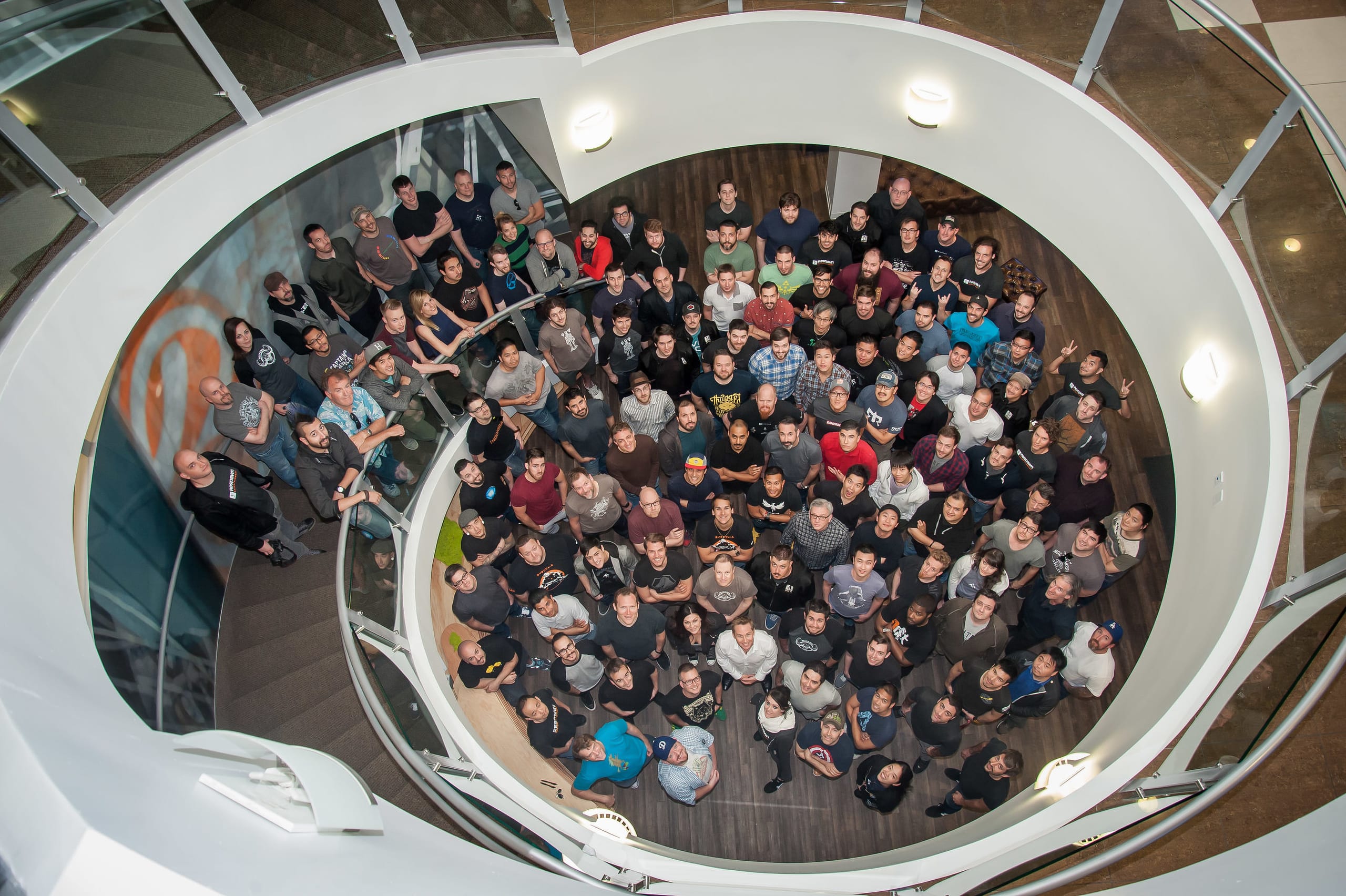 11
11Team shots
Company, department, sponsor, and production-team groups. Fast enough that nobody regrets agreeing to it.
-
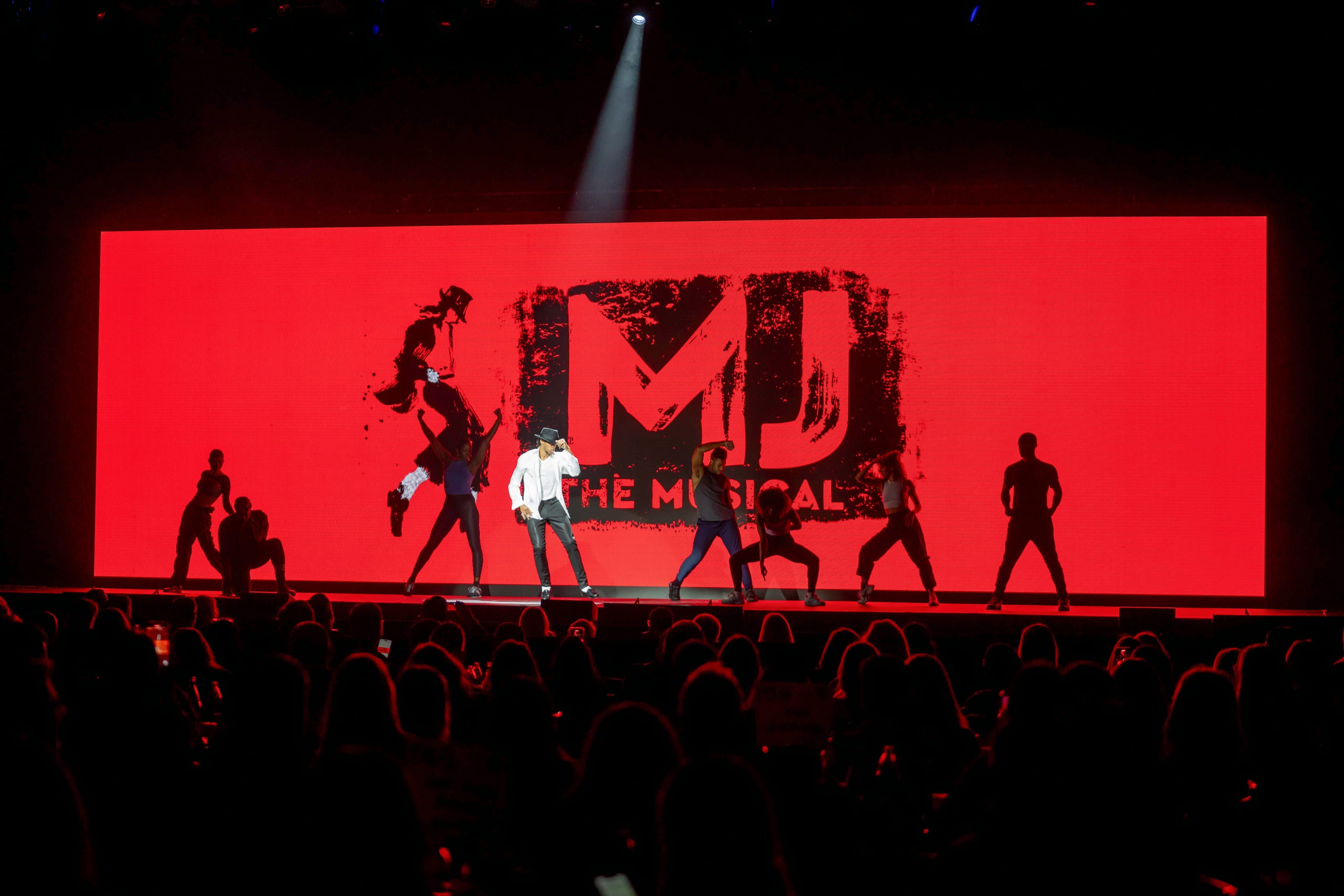 09
09Live performance
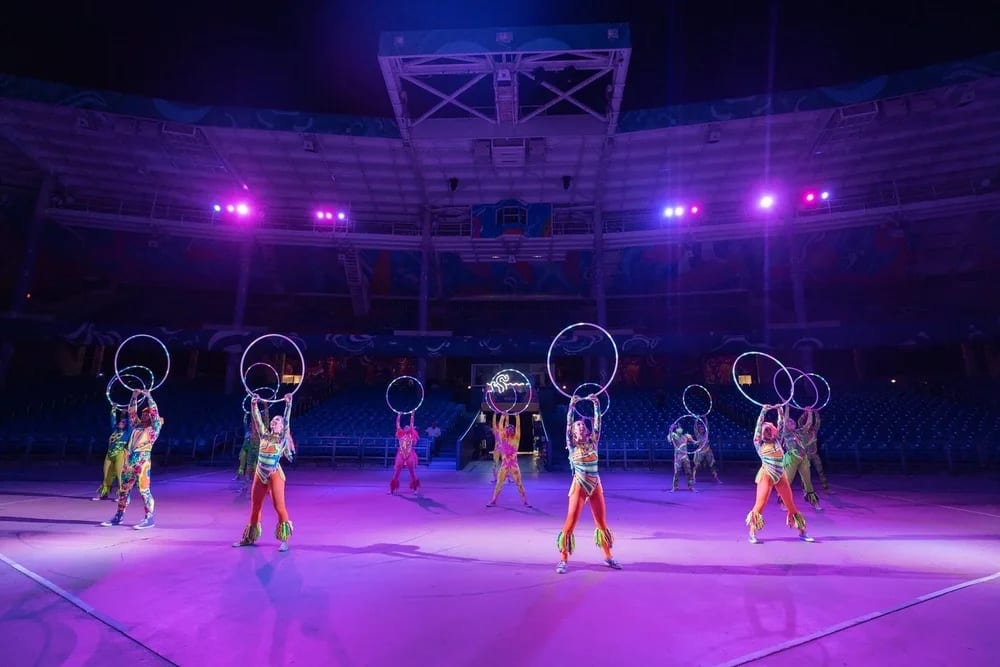
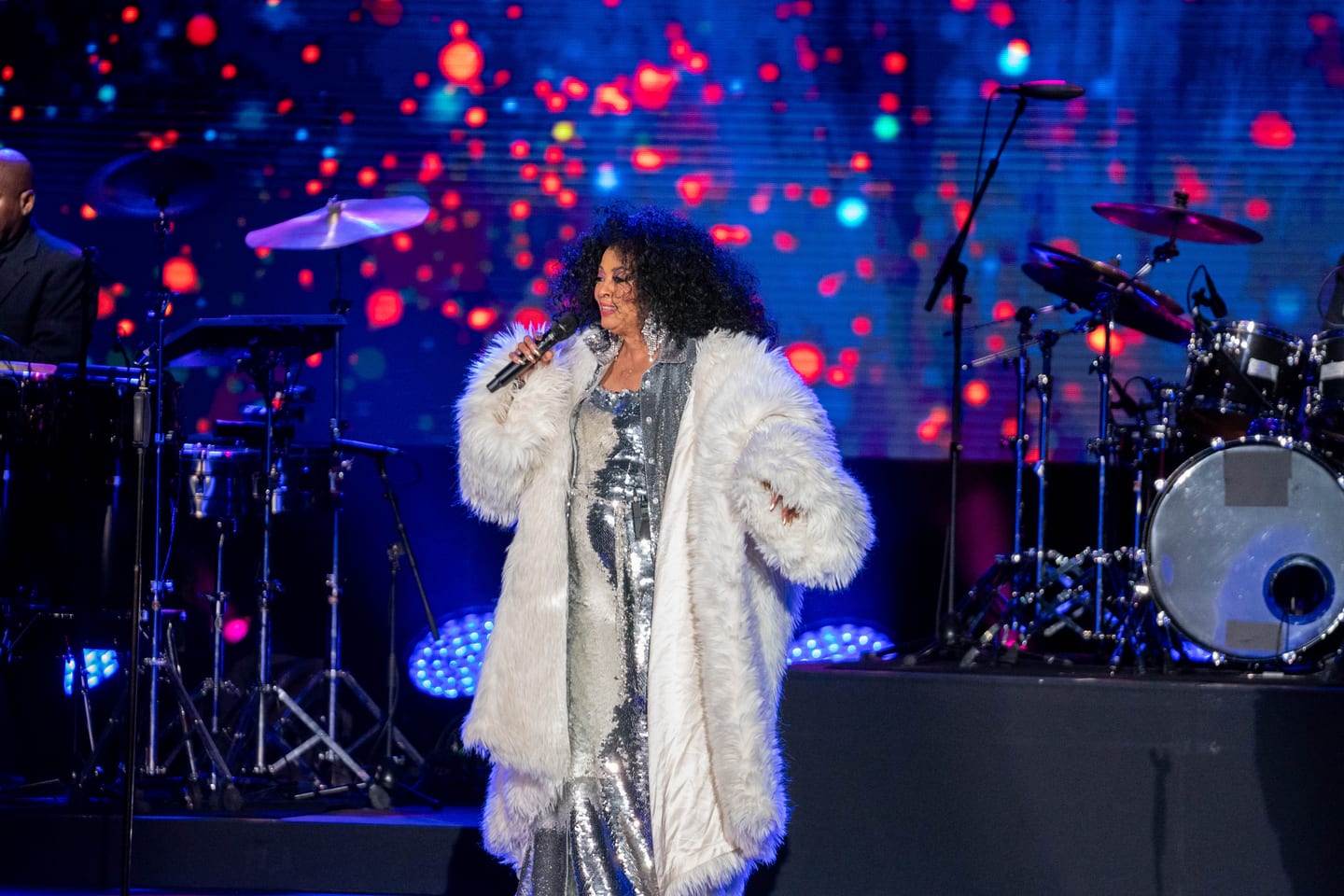
Performers, the stage, and enough of the audience to show what the show actually felt like.
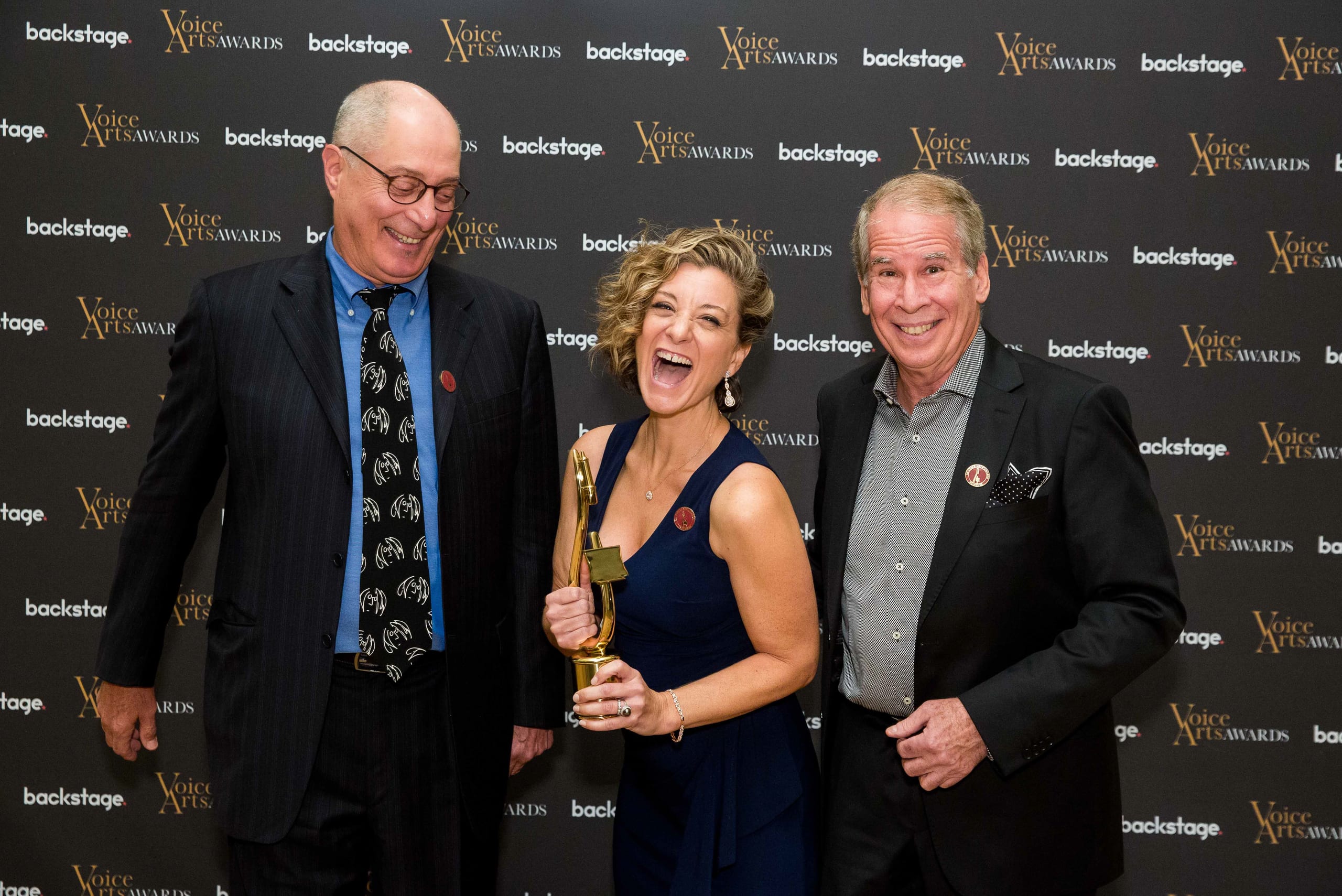 12
12Awards & grip-and-grins
The handshake, the plaque, and the walk-off. A clean photograph in a few seconds so everyone can get back to the event.
What clients say after hiring me.
5.0 on Google · 46 reviews · read them on Google →
The photos were fantastic — all taken in low or colored light, which is very difficult to do — and a link to the full gallery was in our hands within 48 hours.
We’ve worked with other “professional” photographers who felt intrusive, like our guests were there for them. Kyle was anything but — he made everyone feel comfortable.
Kyle arrived early and did a fantastic job keeping to our schedule and planned shot list. The end results were fantastic!
We worked with Kyle for a grand opening and he was great to work with. On time, delivered everything quickly, and was very professional. We would hire him again for event photography!
I’ve been doing this since 2010.
Most of my work now is corporate event photography in Los Angeles. For a straightforward event, it’s me as a single shooter. When keynotes, breakout sessions, arrivals, and sponsor coverage overlap, I suggest bringing associate photographers I’ve worked with for years.
The work has taken me through trade shows, developer conferences, political events, low-light gaming events, brand activations, private estates, car shows, concerts, red carpets, and backyard parties. I’ve most likely photographed some version of what you’re planning.
The galleries make that case better than I can here.
One honest tip, whoever you end up hiring: judge the work, not the search ranking. Open a full gallery from a real event, mine or anyone's, and see whether the quality holds from the first frame to the last. I put up a long run of frames from a five-day event for exactly that reason.
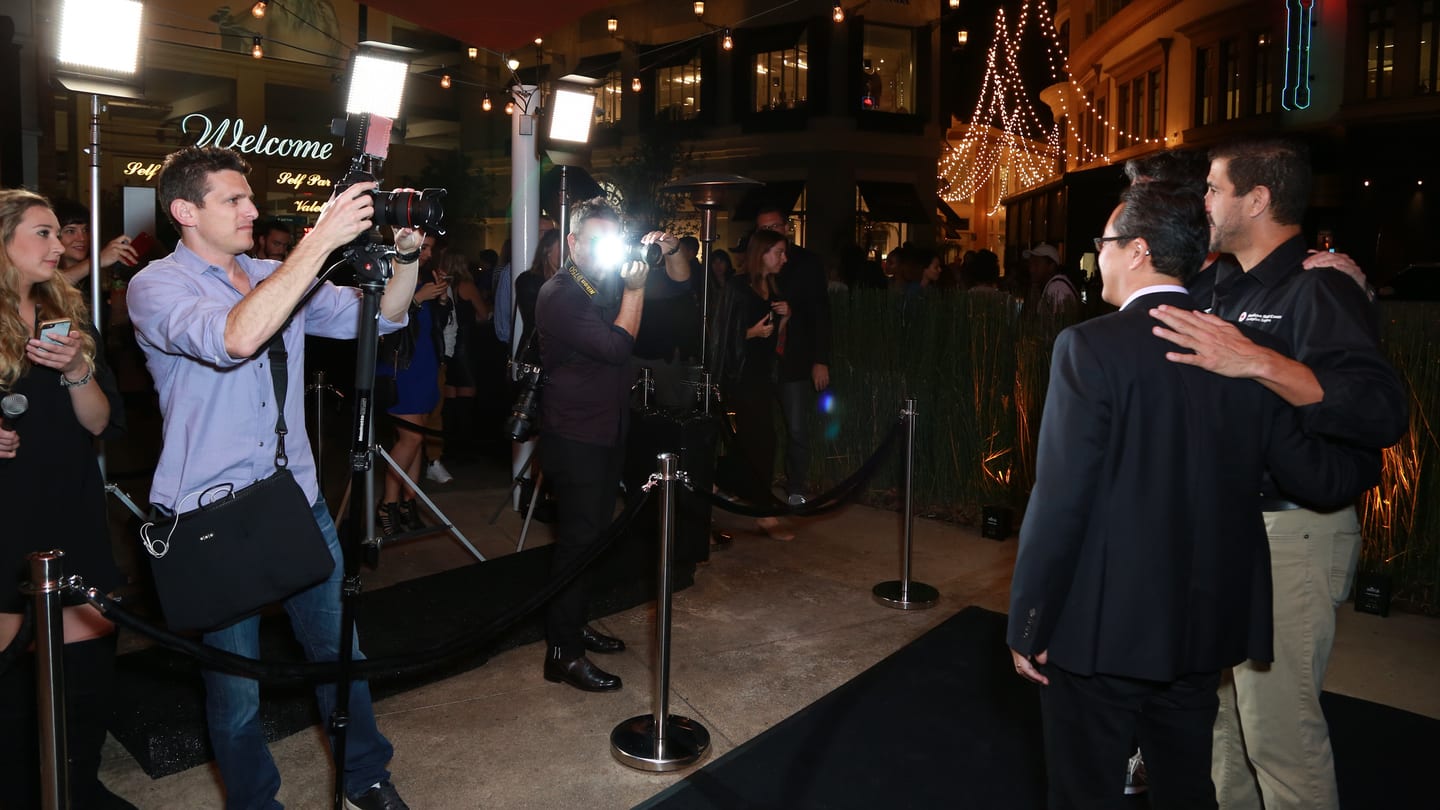
When one photographer isn't enough.
Most events only need me. When two or three things actually happen at the same time, I bring Franz Mahr, Sarah Sebring, Andrew Heiser, or Brandon Ogden. These are photographers I’ve worked with for years, and you’ll know who is coming before you book.
I handle the final edit so the work comes back as one consistent gallery. Meet the full team on the About page →
Need video too? Lake Effect Films.
Photography is what I do. If you also need video, I work with Lake Effect Films.
We’ve covered enough events together that nobody has to figure out the relationship on the day. They handle motion, I handle stills, and the client gets one crew that already knows how to work around each other.
They’re also supremely chill, which helps.
Photo & video for your event — how the video partnership works →
Clients and teams I've worked for.
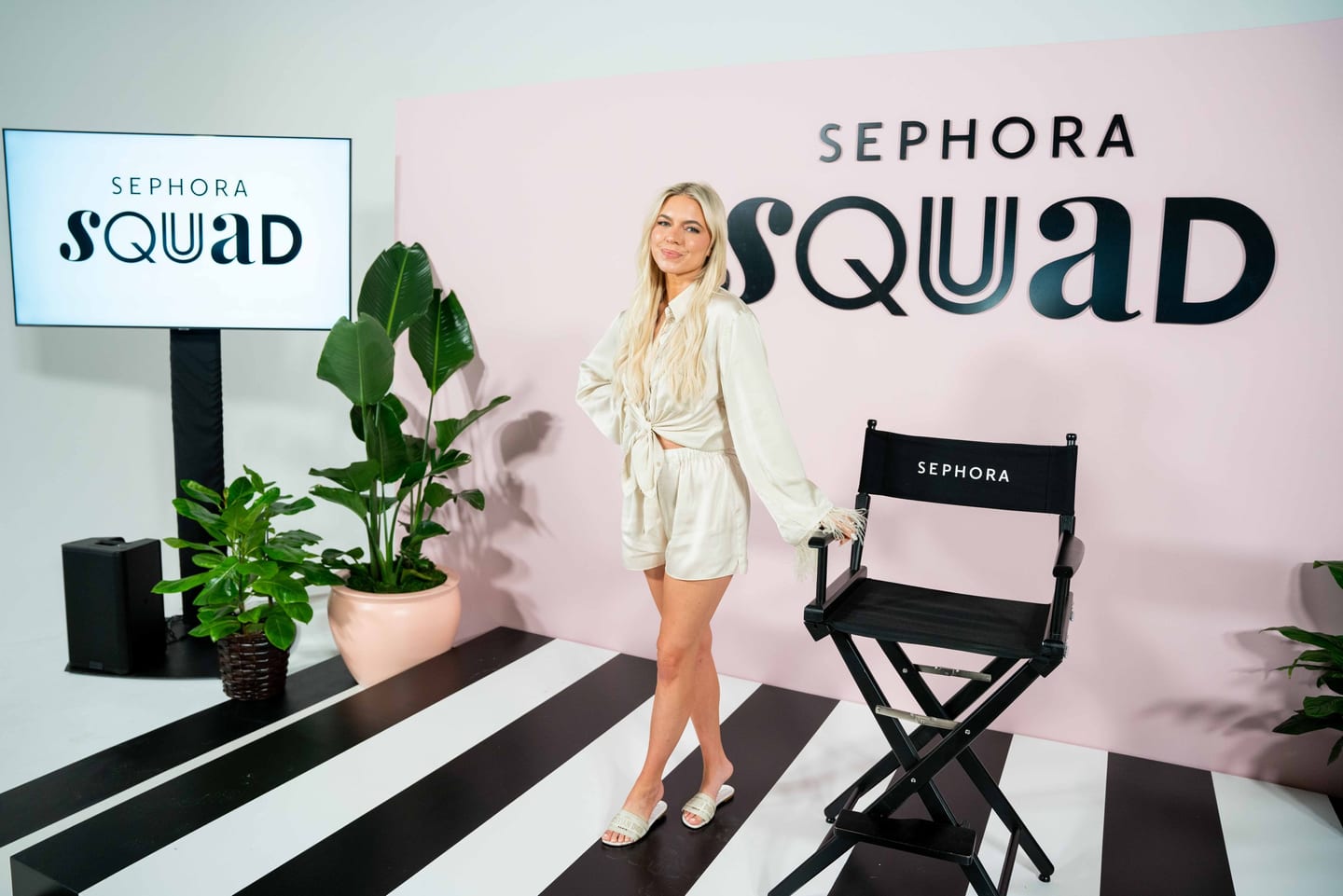
The client list covers finance, entertainment, tech, brands, nonprofits, government, and private work. Morgan Stanley, Blackstone, McKinsey, Snapchat, Sephora, Paul Mitchell, SIGGRAPH, VR LA, and events at Walt Disney Concert Hall are all part of it.
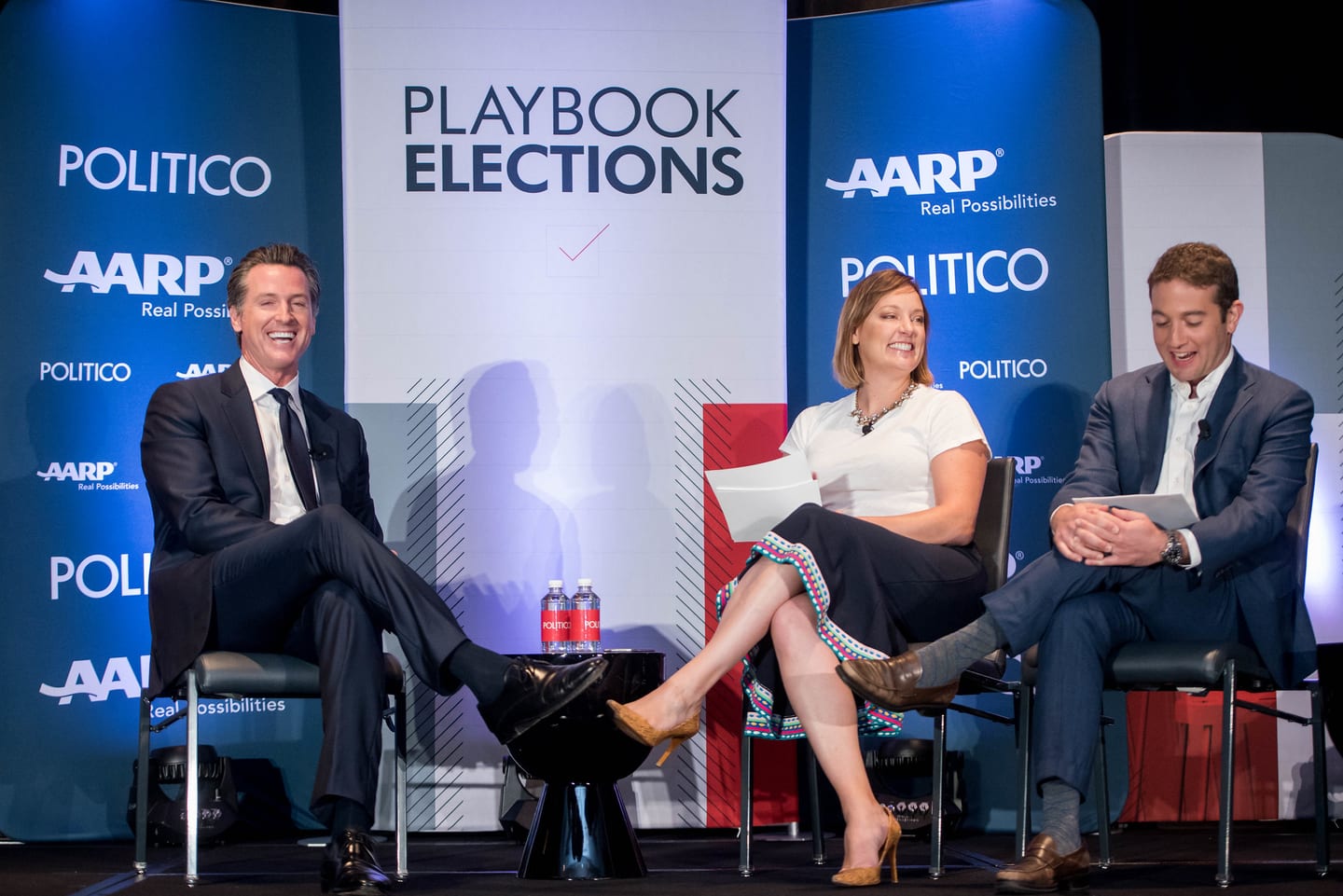
I started with Wall Street investor conferences and political events where nobody wanted a photographer drawing attention to himself. Since then I’ve photographed presidents, heads of state, CIA officials, A-list actors, technology under NDA, FIFA World Cup VIP hospitality, executives, founders, athletes, donors, influencers, and small backyard parties.
Most high-profile people want a good photograph without spending a lot of time getting it.
When I photographed George W. Bush at a step-and-repeat, the Secret Service thanked me for being quick. Bush asked me to come up for a photograph, and one of the agents used my camera.
Quick, efficient, out of the way. I treat a backyard party the same way.
Event photographer, Los Angeles & Ventura County
Where I work across Los Angeles and Ventura.
- Downtown LALA Convention Center · JW Marriott L.A. LIVE · The California Club · corporate towers
- HollywoodDolby Theatre · TCL Chinese Theatre · Hollywood Blvd premieres · studio events
- Beverly HillsThe Beverly Hilton · Greystone Mansion · Fairmont Century Plaza · luxury brand work
- Santa MonicaSnapchat HQ · rooftop events · beachfront galas · brand activations
- West HollywoodInfluencer launches · press events · private parties · nightlife-adjacent brand events
- Century City & Culver CityCorporate summits · panels · studio-lot activations · agency events
- Pasadena & the ValleysFundraisers · nonprofit galas · private celebrations · school & foundation work
- Ventura County & beyondAgoura · Westlake · Calabasas · Thousand Oaks · Camarillo · broader SoCal
No travel fee in Los Angeles or Ventura counties. Beyond that, I quote by location.
Rates, deliverables, and what's included.
- Lead photographerfrom $300/hr · 2-hr min
- Additional shooter$275/hr · $2,000 full day
- Full day (up to 10 hrs)$2,400 flat
- Overtime (past 10 hrs)$300/hr · half-hour increments
- Multi-day programs$2,400/day · one quote for the run
- Next-Day Rush (full gallery)$350 flat
- Social Selects (10–15 same-day images)$150 flat
- Travelfree in LA & Ventura · beyond, quoted by location
- Insurance$2M general liability · COI on request
You need a second photographer when two things have to be covered at the same time: multiple floors, a dedicated step-and-repeat plus someone roaming, or an awards presentation where one photographer stays up front while the other gets the room and the scale.
Why hire a specialist Los Angeles event photographer
Event photography is a live job. Schedules move. VIPs arrive early. Speakers leave. Panels run long. The lighting is usually whatever the venue gave you.
I’ve dealt with dark hotel ballrooms, mixed stage light, bad step-and-repeat placement, speakers who look down through an entire panel, huge venues that need to look full, small events that need to look intentional, and schedules that were optimistic before the doors even opened.
None of that is unusual. It just has to be handled while the event keeps moving.
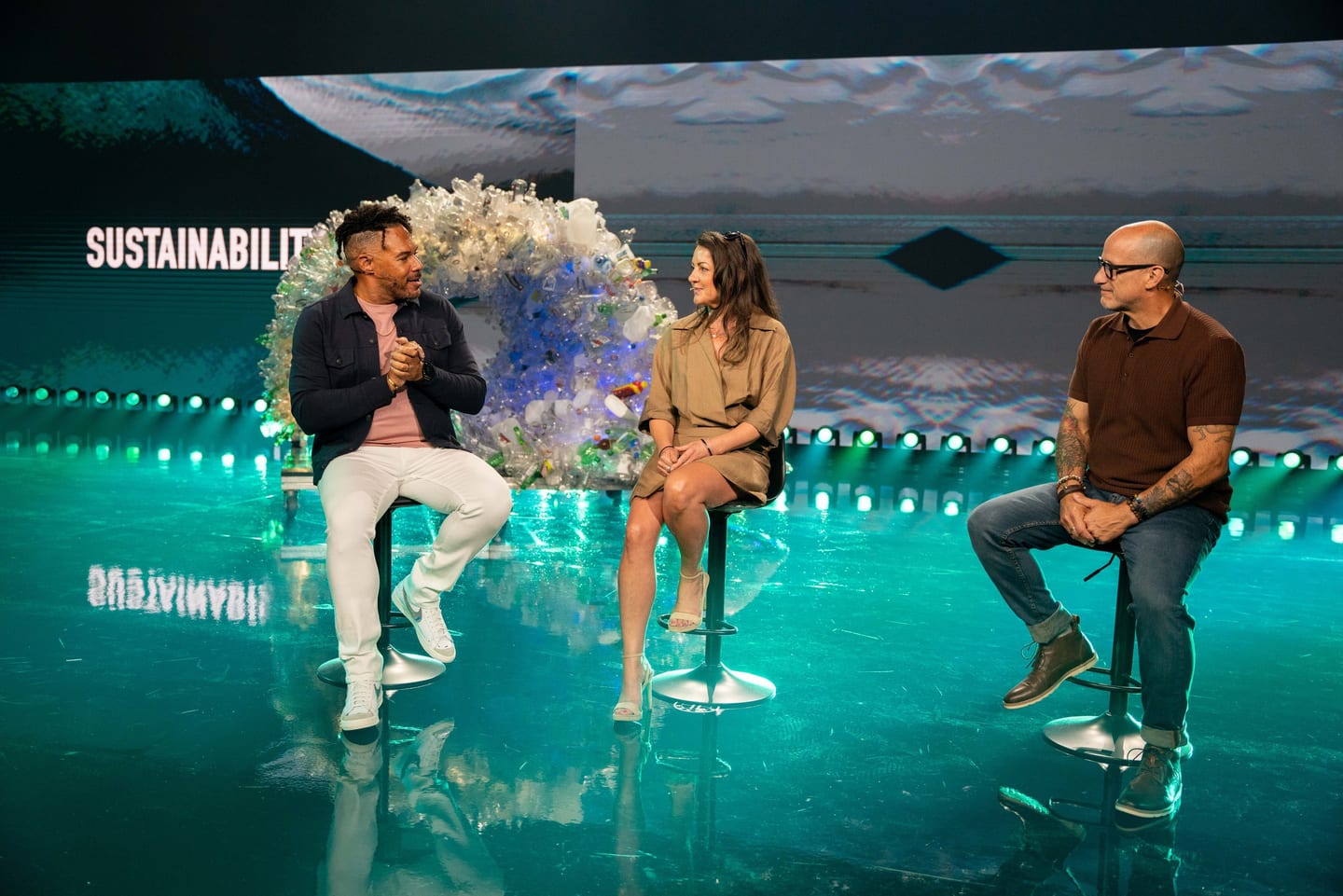
Corporate event photographer in Los Angeles
Case study: four days, twelve breakouts, one gallery.
Multi-day conferences are a big part of my work. Three, four, or five days usually means keynotes, breakout sessions, expo floors, receptions, sponsor coverage, and sometimes several of them happening at once.
The first question is who needs to be where. The second is when the client needs the first files.
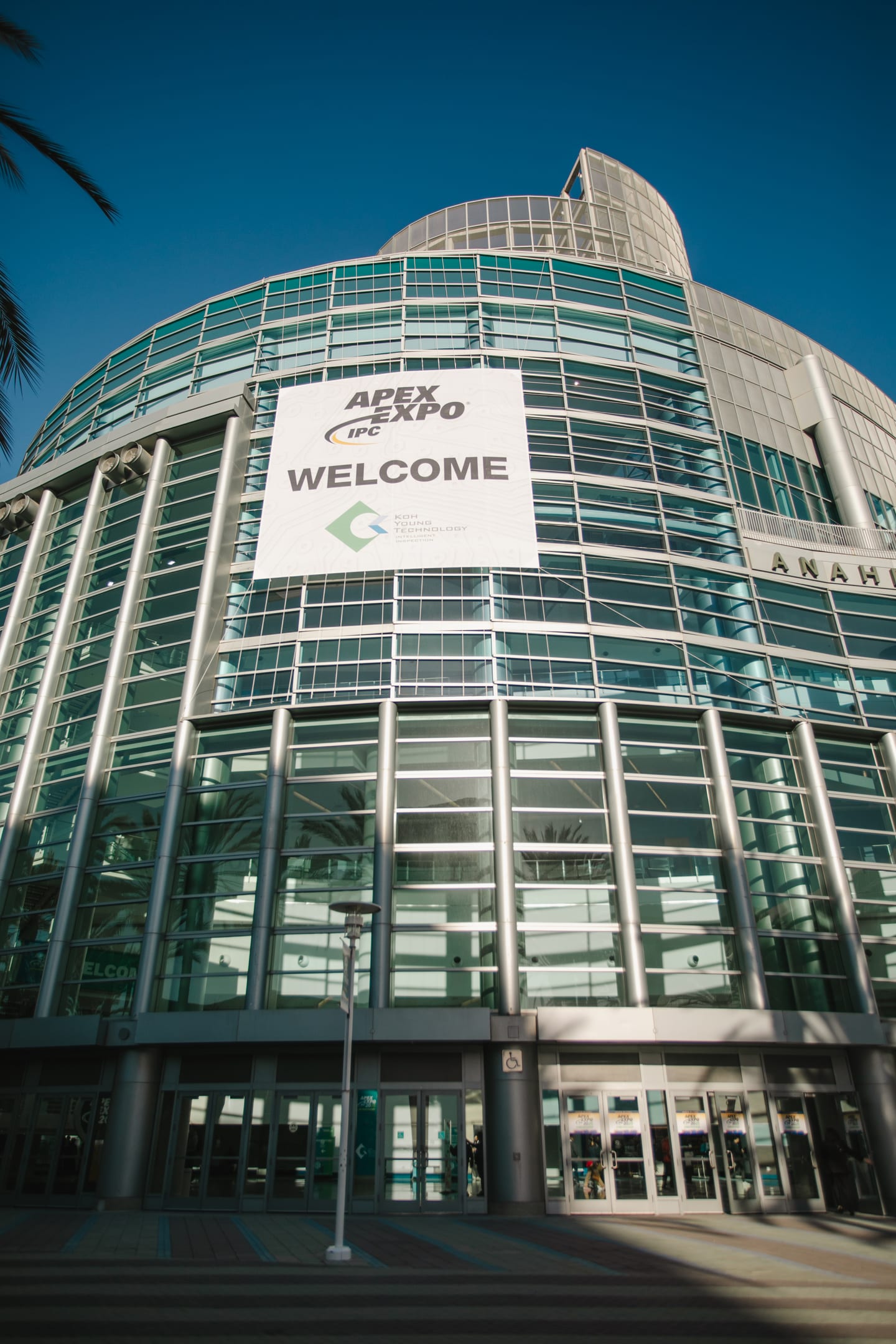
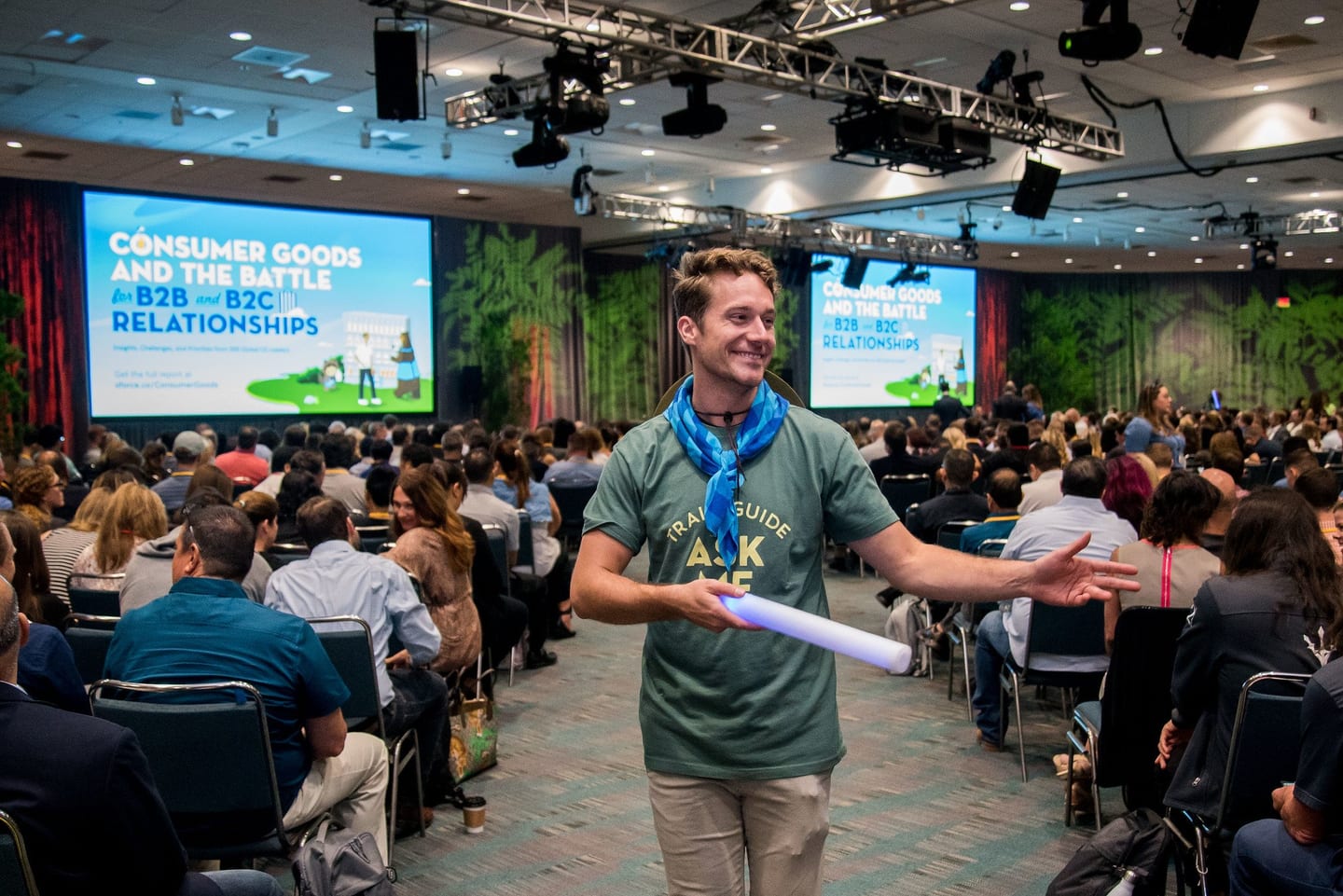
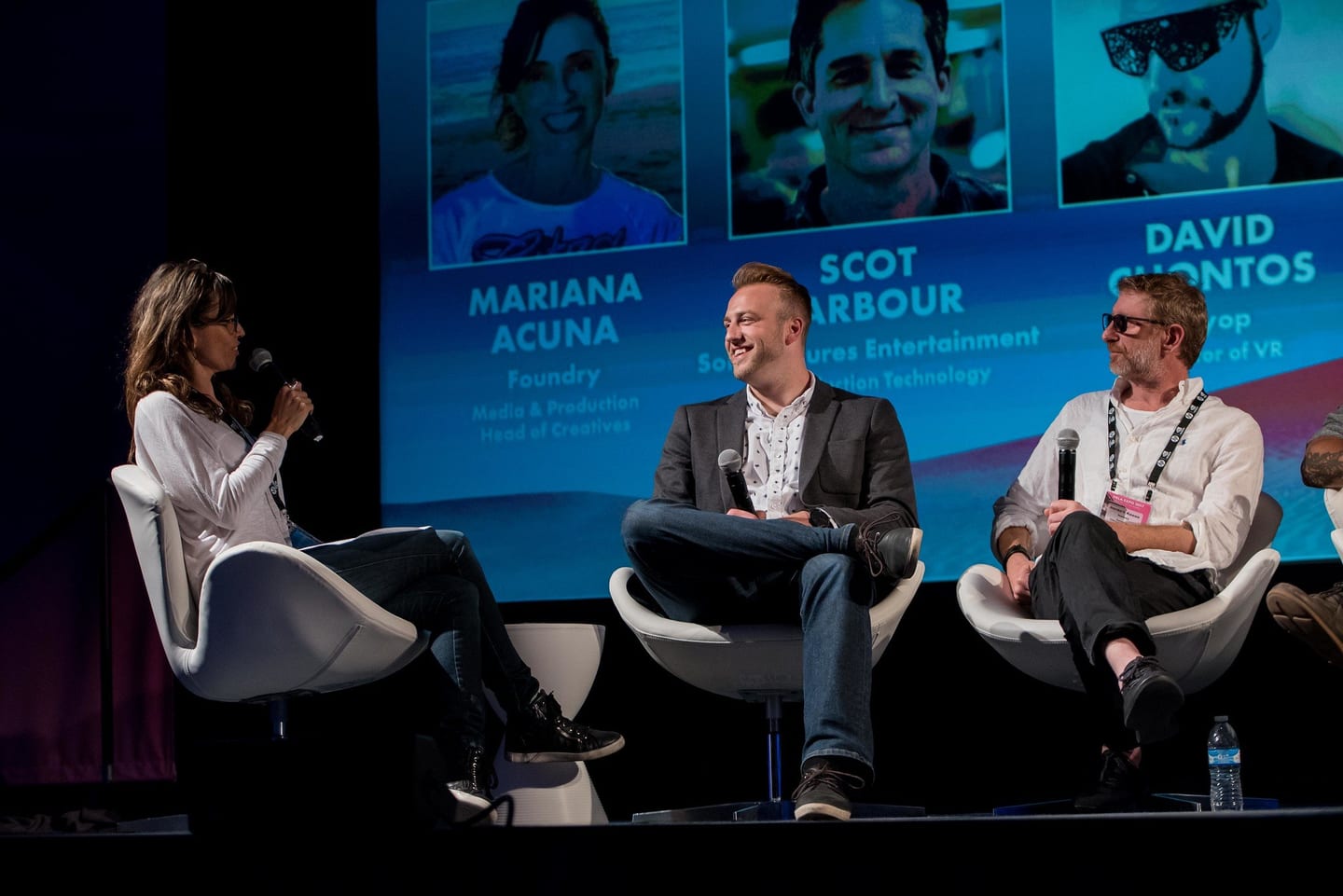
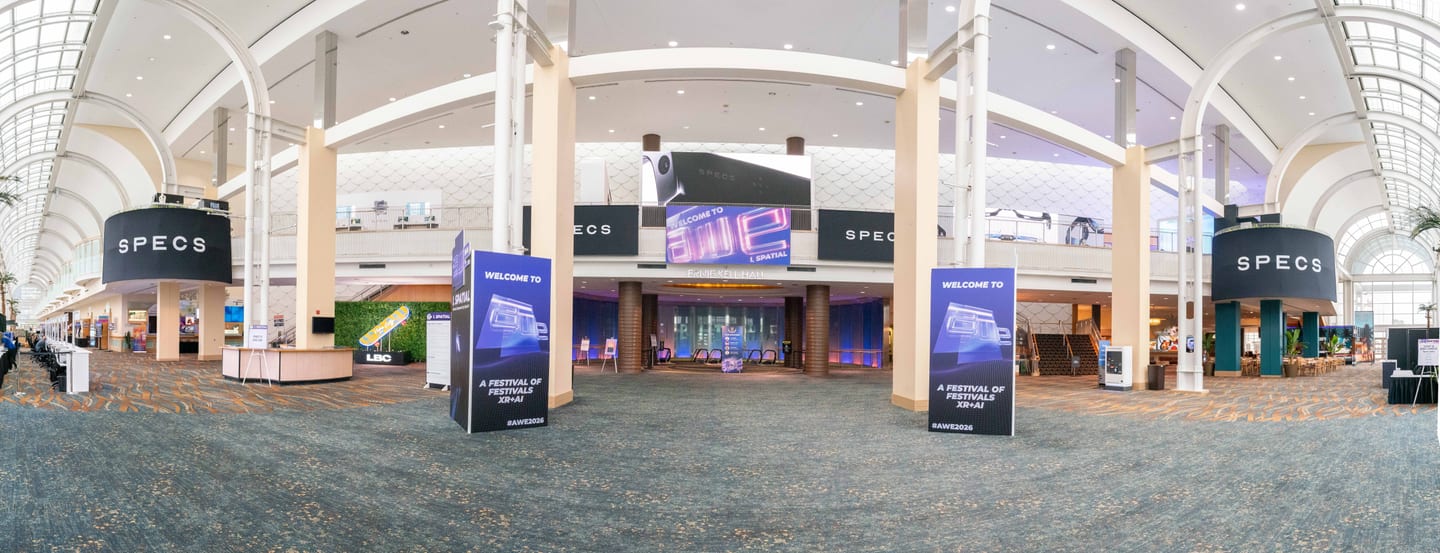
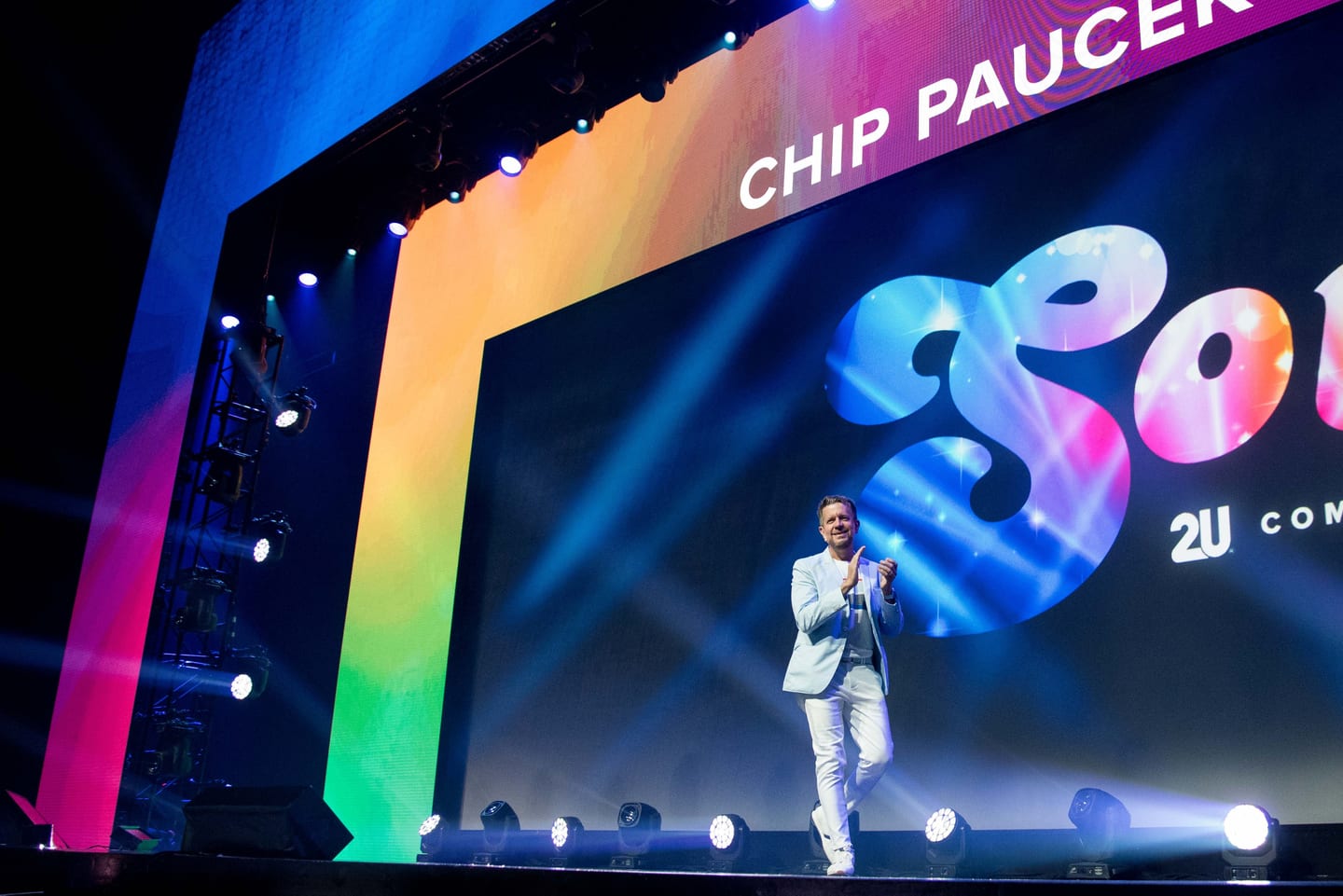
What four days actually looks like
IPW Los Angeles ran across six venues over five days. There was a marketplace floor with hundreds of booths, general sessions, off-site receptions, live performances, and a press team that needed photographs while the event was still happening.
Some breakout sessions get seven minutes of coverage. I walk in knowing what I need: a wide photograph, the speaker, the audience, the branding, and a candid if something real happens. Then I’m across the convention center before the session ends.
Covering overlapping sessions
Two photographers when two things matter at the same time: multiple floors, a step-and-repeat running against the main program, or an awards presentation where one person stays up front and another covers reactions.
Some events also need an on-site editor, headshots, live printing, or video through Lake Effect Films. Plenty don’t, and I’ll say so.
When I lead a crew, I stay on the keynotes, executives, VIPs, and priority sponsor moments. Associates are named before you book. I handle the final selection and color myself.
How a multi-day program gets staffed
If you’re comparing bids, this is worth making everyone spell out.
- Lead photographer — me, every day. Keynotes, executives, VIPs, and priority sponsor photographs.
- Additional photographer. Breakouts, networking, registration, expo floors, venue wides, branding, and details.
- Third photographer when needed. Added for overlapping blocks instead of billing you for an extra person all day.
- Awards coverage. One photographer on the presentation and walk-off; another on reactions and tables.
- On-site editors. Up to three when finished files need to go out during the event.
- Associates named before booking — the four photographers who work with me. No mystery person arriving on the day.
- Redundancy. Two camera bodies per photographer, two memory cards in each camera, and an off-site backup.
- Insurance. $2 million in general liability through Hiscox, with a COI naming the venue.
- What I need from you. Run of show, written VIP and must-shoot list, awards order, and a day-of point person.
Some programs need the whole setup. Others need me solo for four days. Send the schedule and I’ll tell you what I think it actually needs. More on multi-day coverage →
Awards nights and stage light
Most awards programs are a dark ballroom with a bright stage and an LED wall behind the podium. The recipient may be up there for ten seconds. There is no second take.
I work with two camera bodies so I can cover the presentation and the reaction without changing lenses in the middle of it.
What comes back
Selects can go out during the event. Standard galleries are delivered within 48 hours; very large multi-day programs usually take five to seven days.
A useful planning range is 60–200 edited photographs per hour, depending on how dense the event is. Files arrive as high-resolution JPGs through Dropbox, with usage rights for web, print, press, social, internal communications, and sponsor reports.
Before the event, I ask where the photographs are actually going. A website, recap deck, press release, sponsor report, annual report, and social post do not all need the same frame.
Hiring guides and real event recaps.
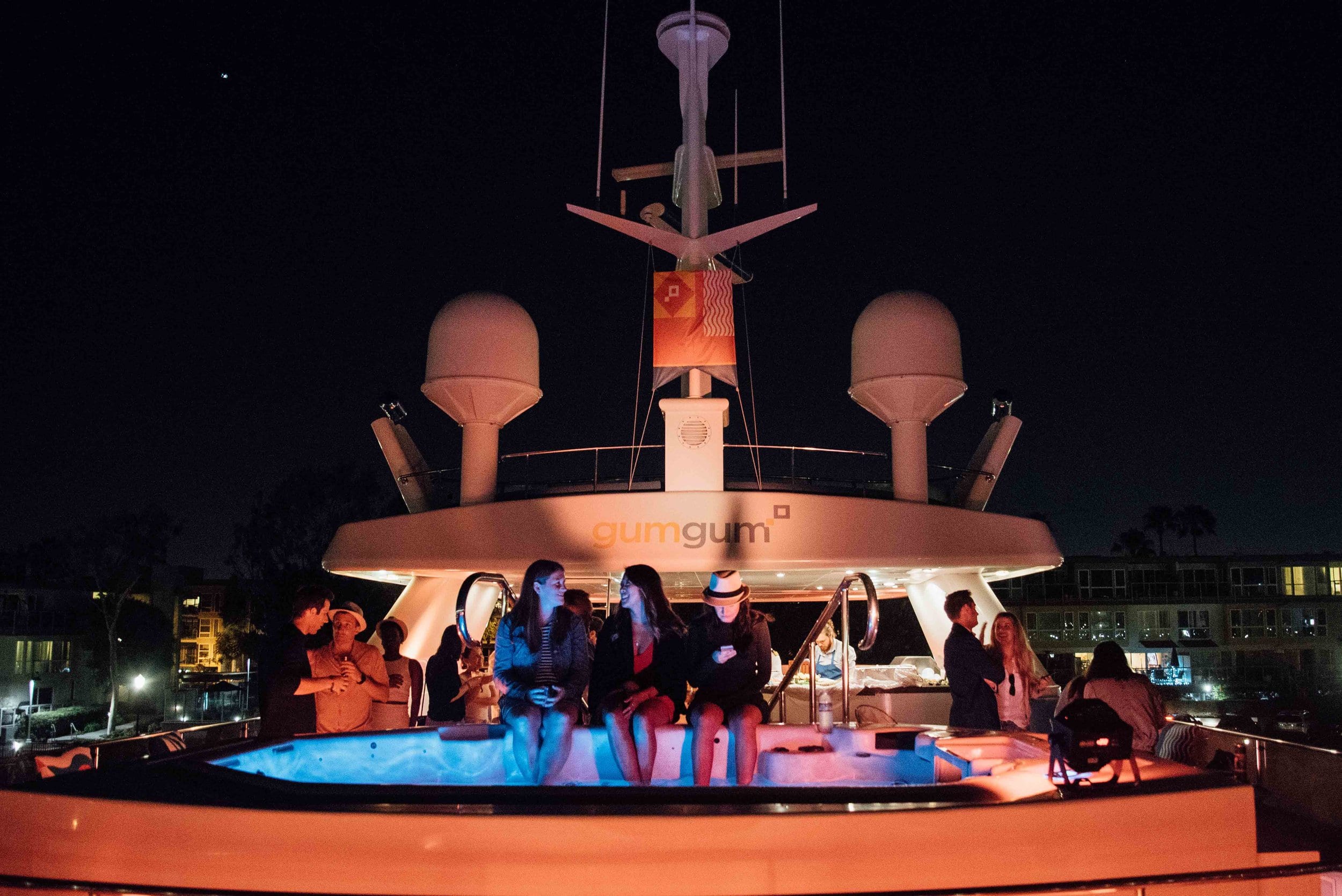
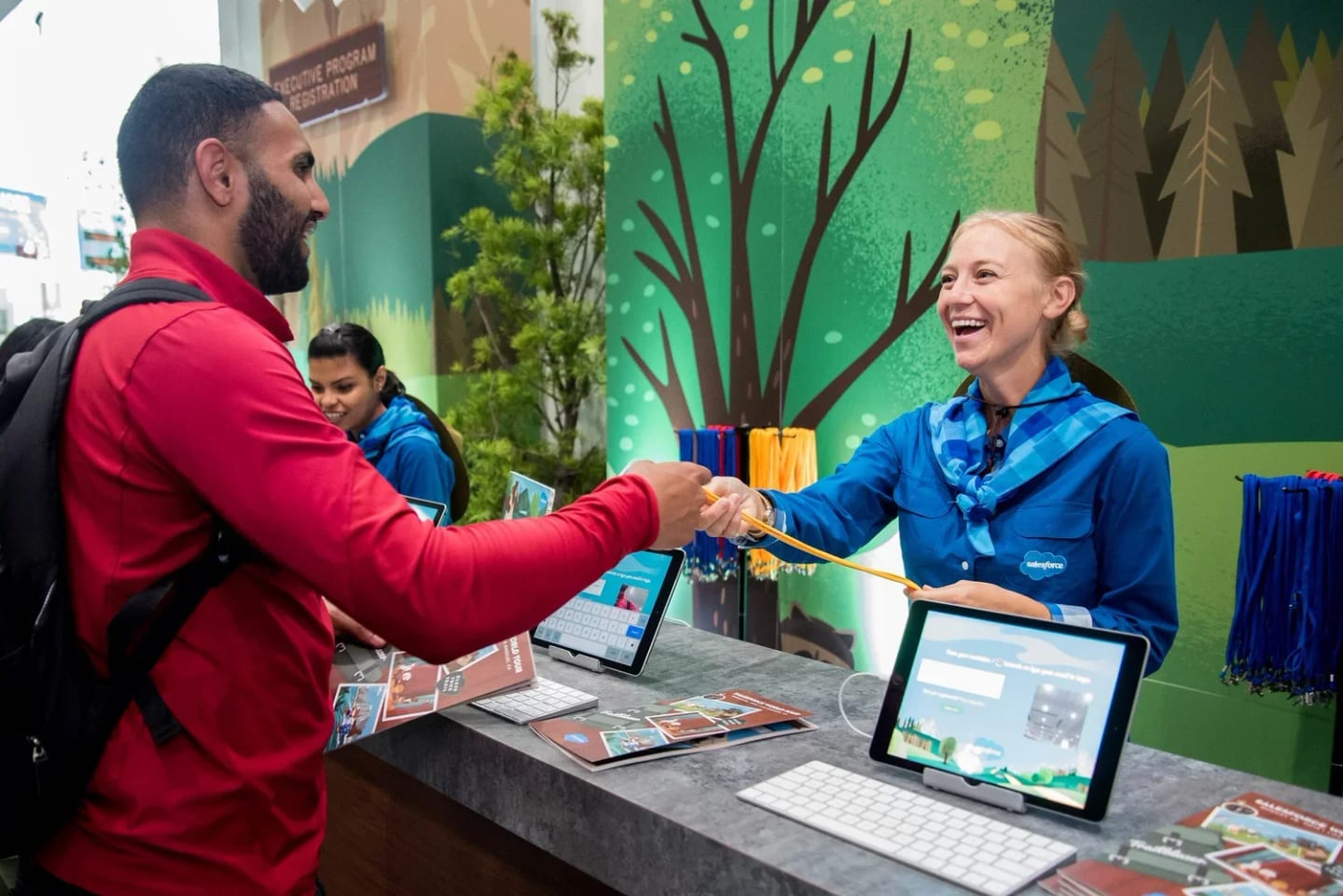
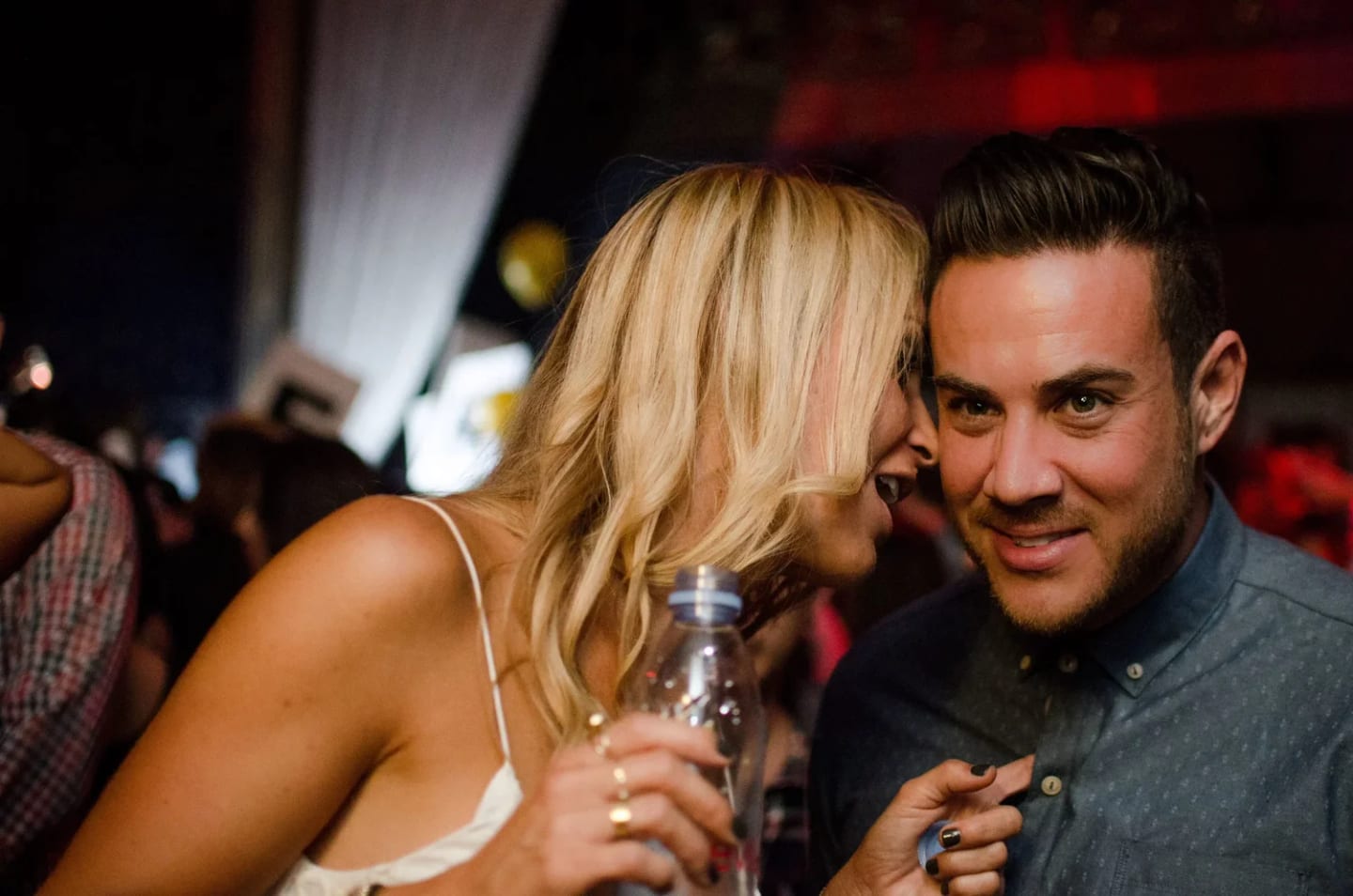
Recently: BlizzCon 2026: The Night Before at ARTIC, Anaheim (September 11, 2026) · Eli Roth’s Ice Cream Man (August 3, 2026) · Event Food Photography in Los Angeles (July 2026) · Anime Expo 2026 (July 2–5, 2026)
Questions to ask before hiring an event photographer.
How much does an event photographer cost in Los Angeles?
$300 an hour, two-hour minimum. A full day — up to ten hours — is $2,400 flat; past ten hours, overtime is $300 an hour in half-hour increments, stated up front. Multi-day programs run on the same day rate, quoted as one number for the whole program. Full breakdown in my guide to what an event photographer costs in LA.
What does a multi-day conference cost?
Same rate as any other day: $2,400 for up to ten hours, no multi-day discount. A three-day program is $7,200, quoted as one number for the whole thing. A second photographer for concurrent rooms is $275 an hour, capped at $2,000 for a full day — so a three-day program with a second camera on every day is $13,200. Past ten hours in a day, overtime is $300 an hour in half-hour increments, stated up front.
What corporate event photography services do you offer?
Conferences and keynotes, breakout tracks, trade shows and expos, awards nights, executive headshot stations, sponsor activations, and the receptions around all of it. I shoot with the afterlife in mind — press, recap decks, sponsor and stakeholder reports, internal comms — so the gallery is still useful the week after, not just the night of.
Do you photograph multi-day conferences and conventions?
They're the biggest part of my work. Three-, four- and five-day programs at the Los Angeles Convention Center, Anaheim, and Long Beach, plus hotel ballrooms across the city. I work from the run of show and know what the comms team needs before they ask.
Can you cover concurrent breakout sessions?
Yes — that's a staffing question, not a scheduling one. When a program runs parallel tracks, I bring in a second or third photographer so no room goes uncovered. It all comes back as one gallery with one edit, not three different looks stitched together.
Who will be photographing my event?
Me, on every job I book. When a program needs more than one camera, I bring in one of the four associate photographers who work with me regularly. You get their names and their work before the event, not a stranger on the day.
Do you shoot trade shows and expos?
Yes. Booth coverage, sponsor deliverables, floor atmosphere, and the demos and conversations that actually justify the booth spend. Expo floors are mixed lighting and constant movement, which is most of what makes them hard.
Do you photograph tech conferences and product summits?
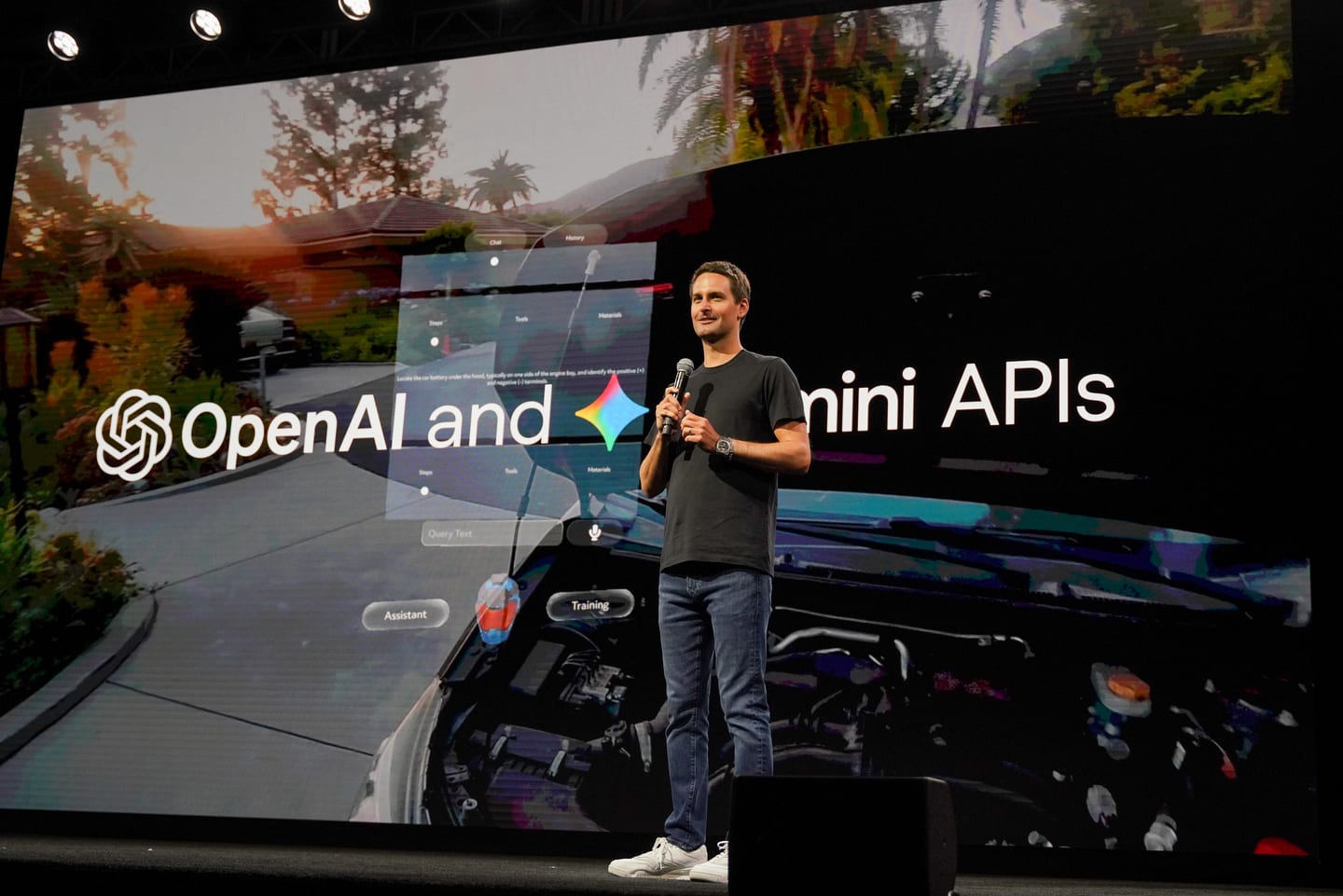
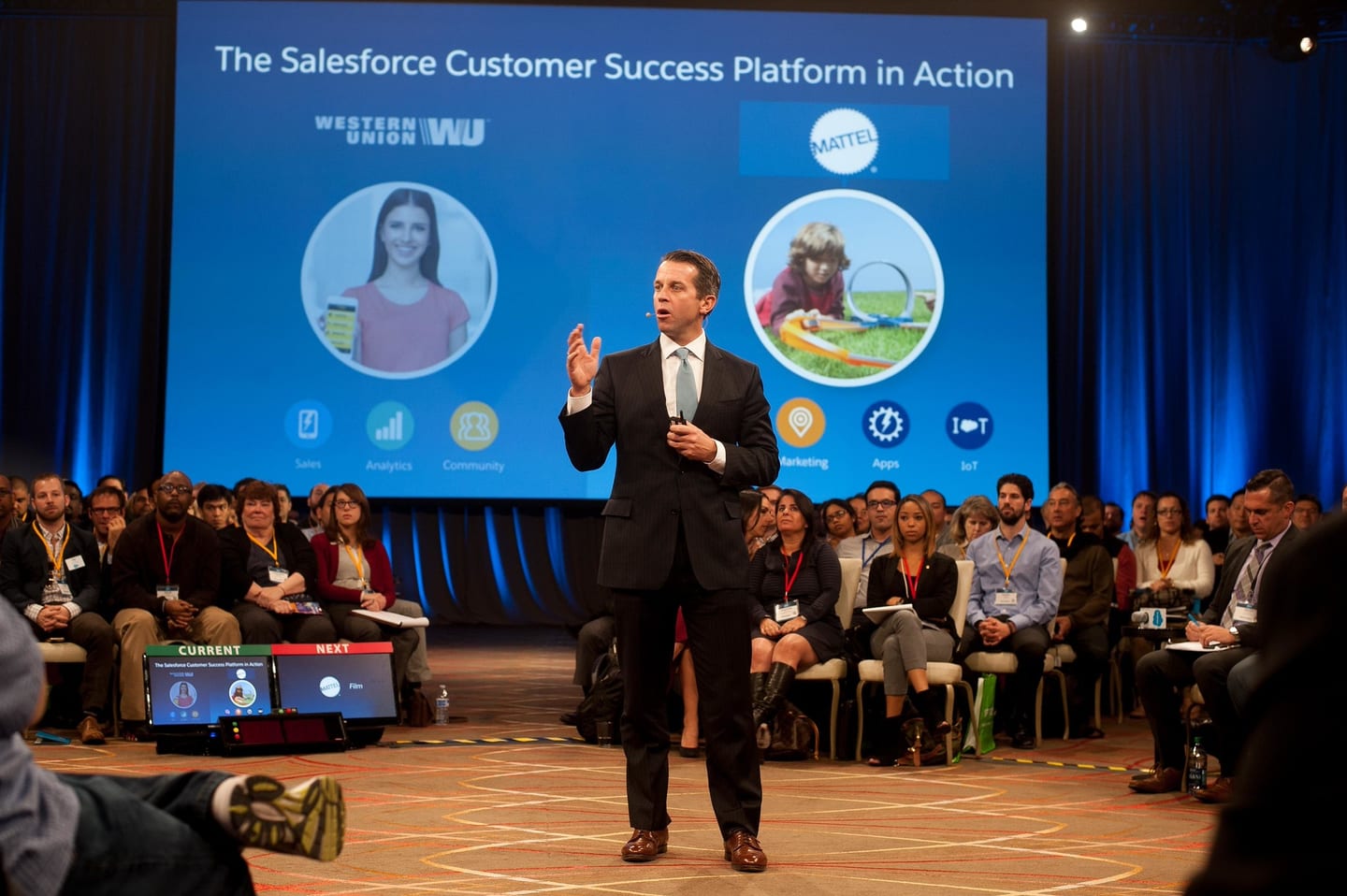
Regularly. Augmented World Expo, Snap's Lens Fest, product days at Snapchat HQ, and IPC APEX EXPO on the manufacturing side. Tech events run differently: dark demo areas, screens and headsets that blow out if you expose for the room, and a lot of the actual story happening at a demo table instead of on stage. I shoot the demos and the hallway conversations, not just the keynote.
Do you photograph awards ceremonies and stage presentations?
Yes, and they're their own problem: a dark room, a brightly lit stage, and LED walls that blow out if you expose for the audience. I expose for the stage, stay off the aisle, and get the handshake and the plaque without a flash going off mid-speech.
Can you work from our run of show?
Please send it. Mark the must-haves — the CEO's keynote, the sponsor photo, the award moment — and I'll build around them. Most missed shots are schedule problems, not camera problems.
How fast will I get the photos?
Full gallery within 48 hours. If you need a few hero shots the same night — press or social that can't wait — I pull selects and send them day-of. Really big multi-day events run a bit longer for the full set, usually 5 to 7 days. More in my guide on delivery turnaround.
Do you back up the images?
Two cards in the camera, both writing at once, so a card failure isn't a lost event. Everything comes off to redundant storage the same night, with an off-site copy before the originals get touched.
How do I get the files, and can I use them?
You get a Dropbox link to high-res edited JPGs — download, share, drop them into a deck. Full usage rights come with it, and I shoot with the afterlife of the photos in mind: your website, brochures and sales collateral, recap decks, sponsor and stakeholder reports, internal comms and documentation, press, and social. I keep the copyright and don't hand over RAWs, but for whatever the photos need to do afterward — web, print, press, social, internal, sponsor — you're covered, with no per-use fees. See what the contract covers.
How many photos do I get?
Depends on the event — roughly 60 to 200 edited images per hour. A packed conference with a long shot list lands high; a quiet rooftop mingle lands low. I don't hard-cap it. If a frame's strong and useful, it's in. More on how the count works.
Are you insured? Can you send a COI?
Yep. I carry $2 million in general liability through Hiscox, and I can send a certificate of insurance naming your venue as additional insured when your venue or production requires one. Just tell me who to name and by when. No sweat.
What's your photographic style?
Mostly documentary — stay out of the way, catch what's happening, keep moving. I step in when the shot needs it: a group that needs arranging, an executive portrait, a receiving line that has to move in ten seconds. Invisible most of the night, directive when it saves you time.
Do you cover events outside Los Angeles?
I'm an LA event photographer, so LA County and Ventura County carry no travel charge. Past that — Orange County, San Diego, out of state — travel gets added to the quote: gas if I'm driving, flights if I'm not. Either way it's stated up front, not a surprise line item afterward.
How do I book an event photographer in Los Angeles?
Send the date, venue, hours, and what the photos need to do afterward through the contact form on this page — or call or text (917) 612-4937. I'll quote it flat and all-in, usually the same day. The quote is the price: the edit, full usage rights, and a COI for your venue are included. If it works, I send a contract and a deposit invoice to lock the date, and you don't have to manage the rest.
What kinds of events do you shoot?
Corporate conferences and annual meetings are the bulk of it — keynotes, breakouts, expo floors, awards nights, executive portraits and headshot stations.
A large share is brand and creator work: activations and pop-ups, product, store and property launches, and influencer programs where a brand flies thirty or forty creators in for a multi-day run that's part activation, part keynote, part awards show. That's a stage, a step-and-repeat and a content moment in the same afternoon, and the pictures are usually wanted before anyone flies home.
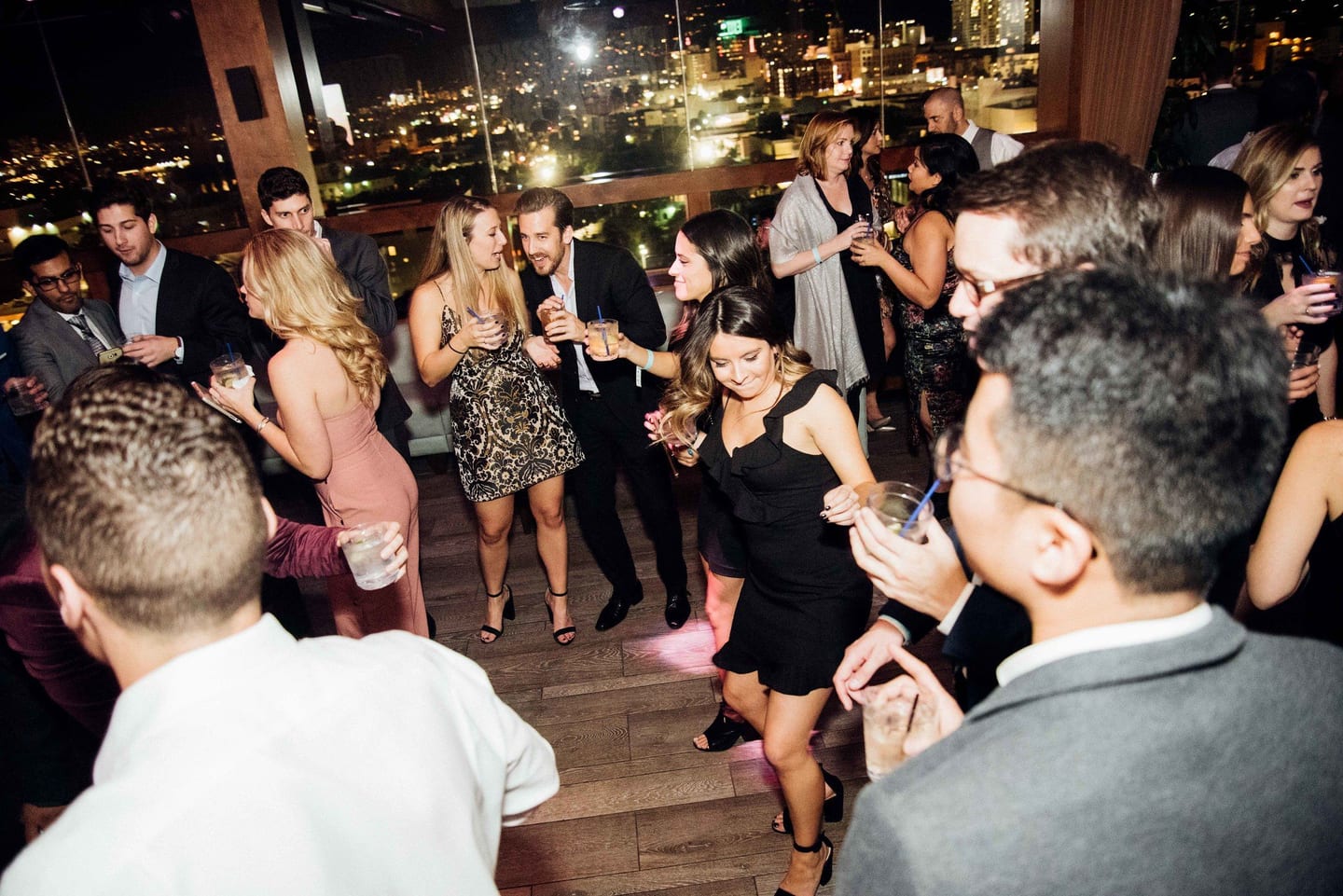
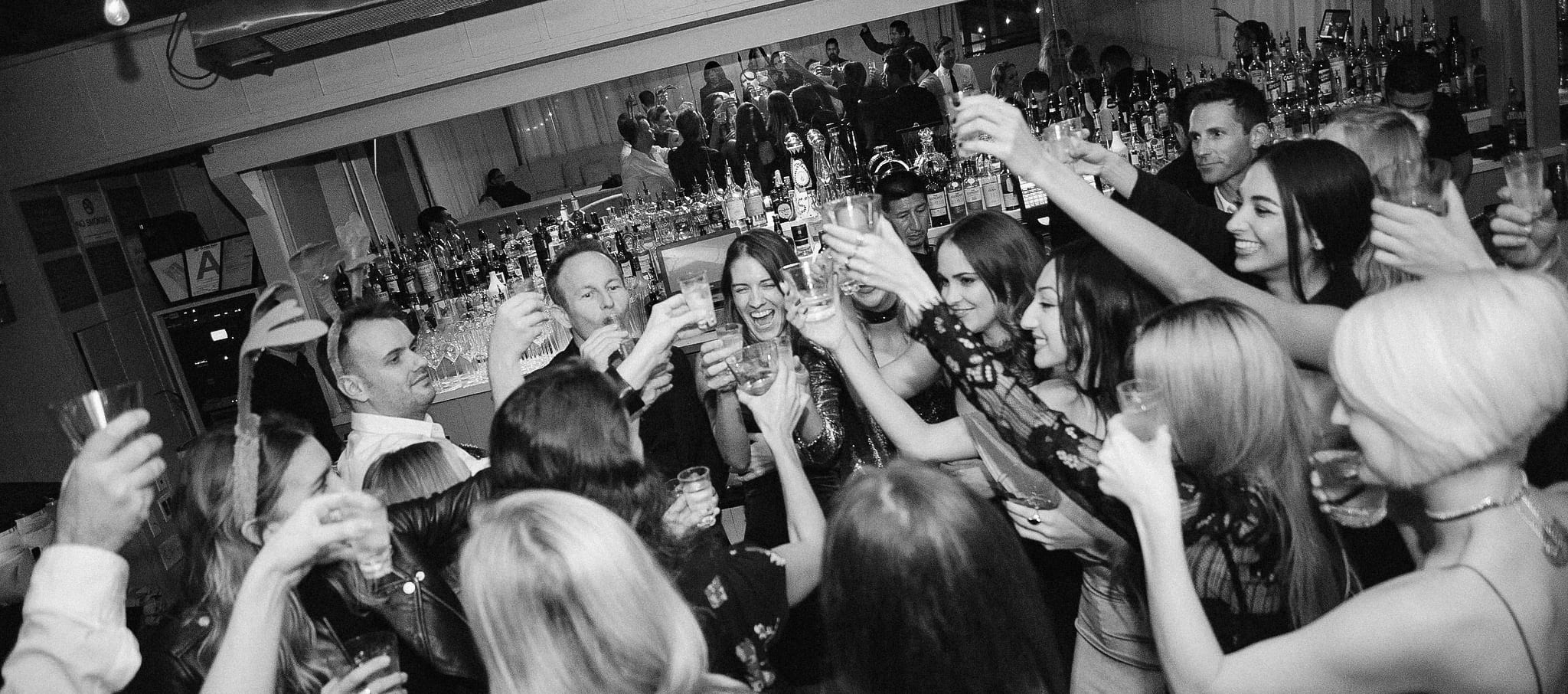
Then galas and nonprofit benefits, red carpets and premieres, conventions and trade shows, university and policy events, sports and sponsor activations, and private parties.
Sixteen years in, I've shot most kinds of events. Corporate event photography is still the largest share; there's also event video and private parties, with more detail on the corporate coverage page.
How booking works
It’s the same basic process whether I’m shooting a two-hour reception or a conference that runs all week.
- Send me the event details. I need the date, venue, approximate guest count, and the hours you want covered. If the schedule isn’t final yet, send your best estimate. We can change it later.
- Give me the run of show and shot list. If there are people or moments I can’t miss—the CEO speaking, an award presentation, sponsor photos, specific guests—point them out. If you don’t have a formal list, that’s fine. We’ll have a quick call and I’ll figure out what I need to know.
- Tell me how you plan to use the photos. Press, social media, an internal recap, sponsor deliverables, marketing for next year, or a gallery for attendees. It’s usually a combination. Knowing where the photos are going helps me decide what deserves the most coverage.
- I’ll send you a quote. I can usually get it back to you the same day. My rate is $300 an hour with a two-hour minimum, or $2,400 for a full day. Multi-day events use the same day rate. Editing, usage rights, and a certificate of insurance for the venue are included.
- The contract and deposit lock in the date. Most bookings require a 50% deposit. Established clients can often use their normal net-30 payment process. After that, send me the name of the person I should find when I arrive, and I’ll take it from there.
Tell me about your event.
5.0 on Google · 46 reviews · $2M liability, COI on request · read them on Google →