Los Angeles event venues: a photographer’s field guide
Los Angeles venues don't shoot the same. On your calendar, the Beverly Hilton ballroom and a Downtown LA rooftop are both “an event in Los Angeles.” For your photographer they're different jobs — different light, different logistics, different rules about what you can even bring through the door. Sixteen years of shooting this city's ballrooms, rooftops, convention floors, estates, and studio lots has taught me what changes from one to the next, and most of it is knowable before doors open. Here's the field guide.
Planning an event? Tell me about it →
Hotel ballrooms: the Beverly Hilton, the Beverly Wilshire, the Four Seasons
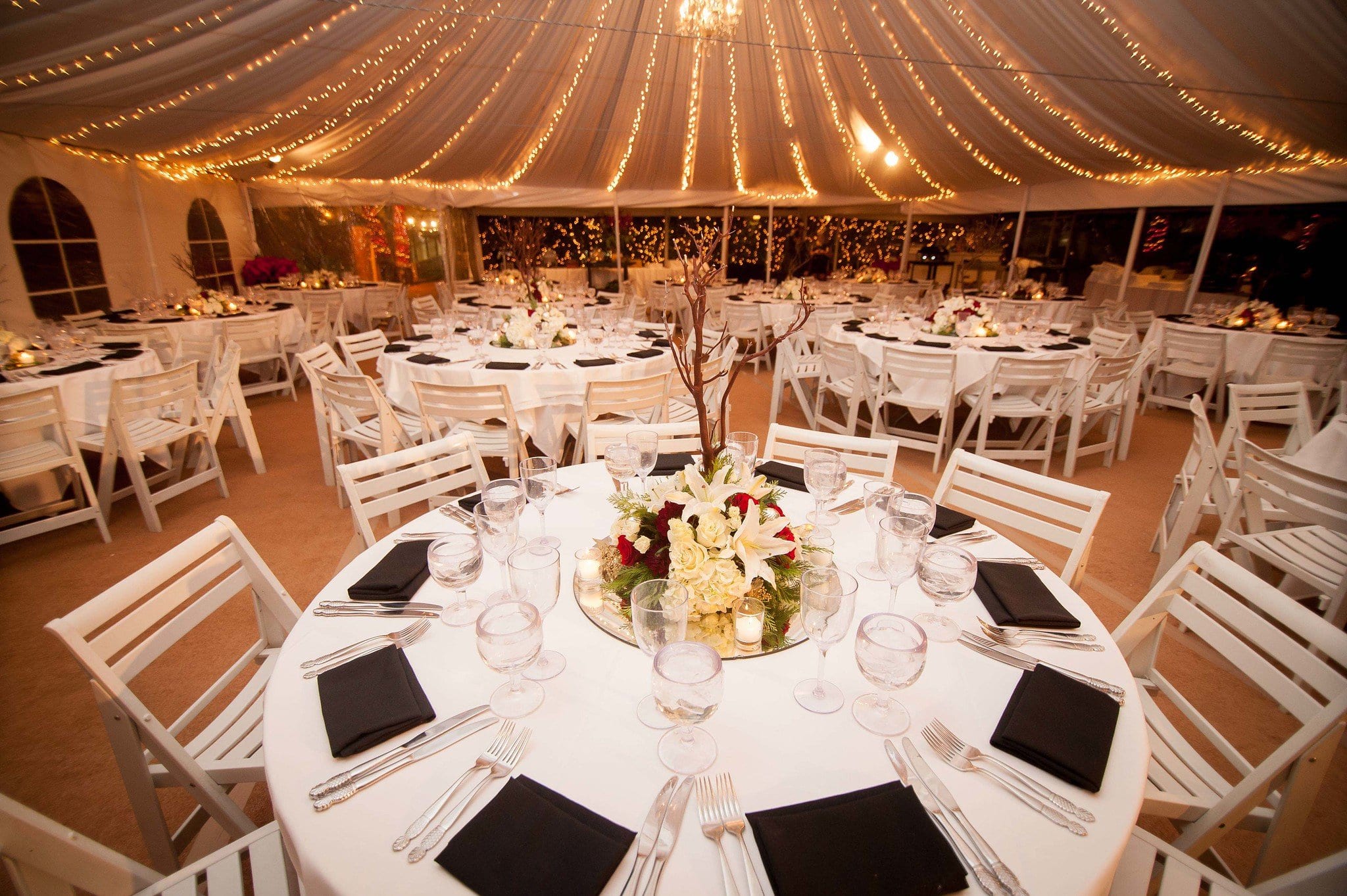
LA's grand ballrooms are where the galas, award dinners, and holiday parties live — I've shot them at the Beverly Hilton, the Beverly Wilshire, the Four Seasons Beverly Hills, and the London West Hollywood. The signature problem is mixed light: warm chandeliers, cold LED stage wash, and video-screen glow all hitting the same faces. Cheap coverage falls apart here — skin goes orange on one side of a frame and blue on the other. The fix is exposing for the room you're actually in and correcting the color afterward. On these jobs that matters — nobody wants the CEO lit orange on one cheek.
Four Seasons Hotel Los Angeles at Beverly Hills
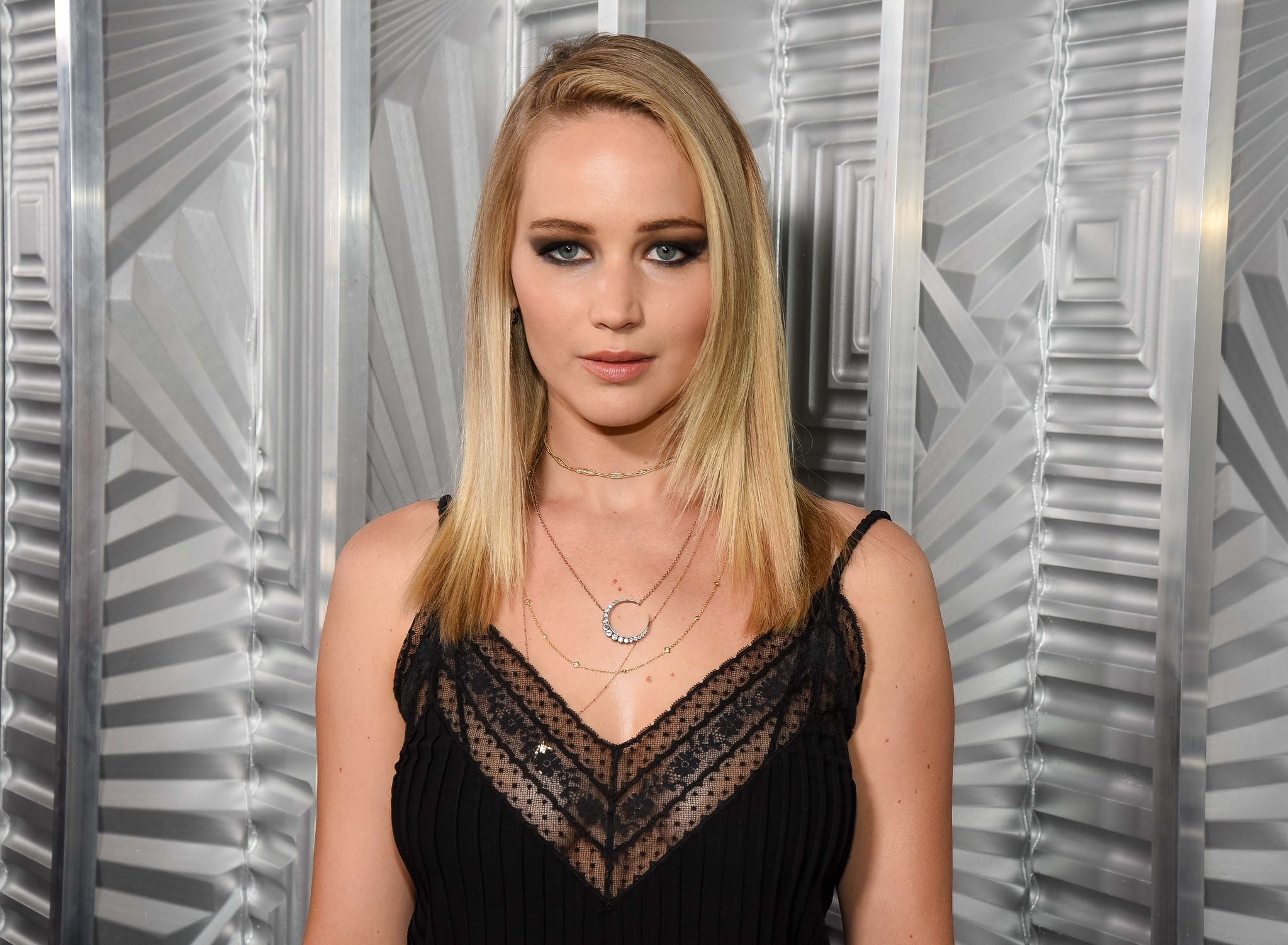
I covered ELLE's Women in Hollywood at the Four Seasons Beverly Hills — Jennifer Lawrence, Reese Witherspoon, Margot Robbie down the carpet, then the room itself. It's a compact property for a press event: the carpet, the ballroom, and the mingling all sit close together, so one photographer can hold all three if he knows the building. The full recap is here.
The Beverly Hilton

The Beverly Hilton is probably LA's most photographed ballroom, and it behaves like it — house staff who've seen a thousand carpets, tight backstage routes, and warm chandelier light that flatters faces if you expose for it. I've shot its carpets and ballrooms for celebrity and corporate events alike; see the event portfolio.
Rooftops: Academy Museum to Downtown
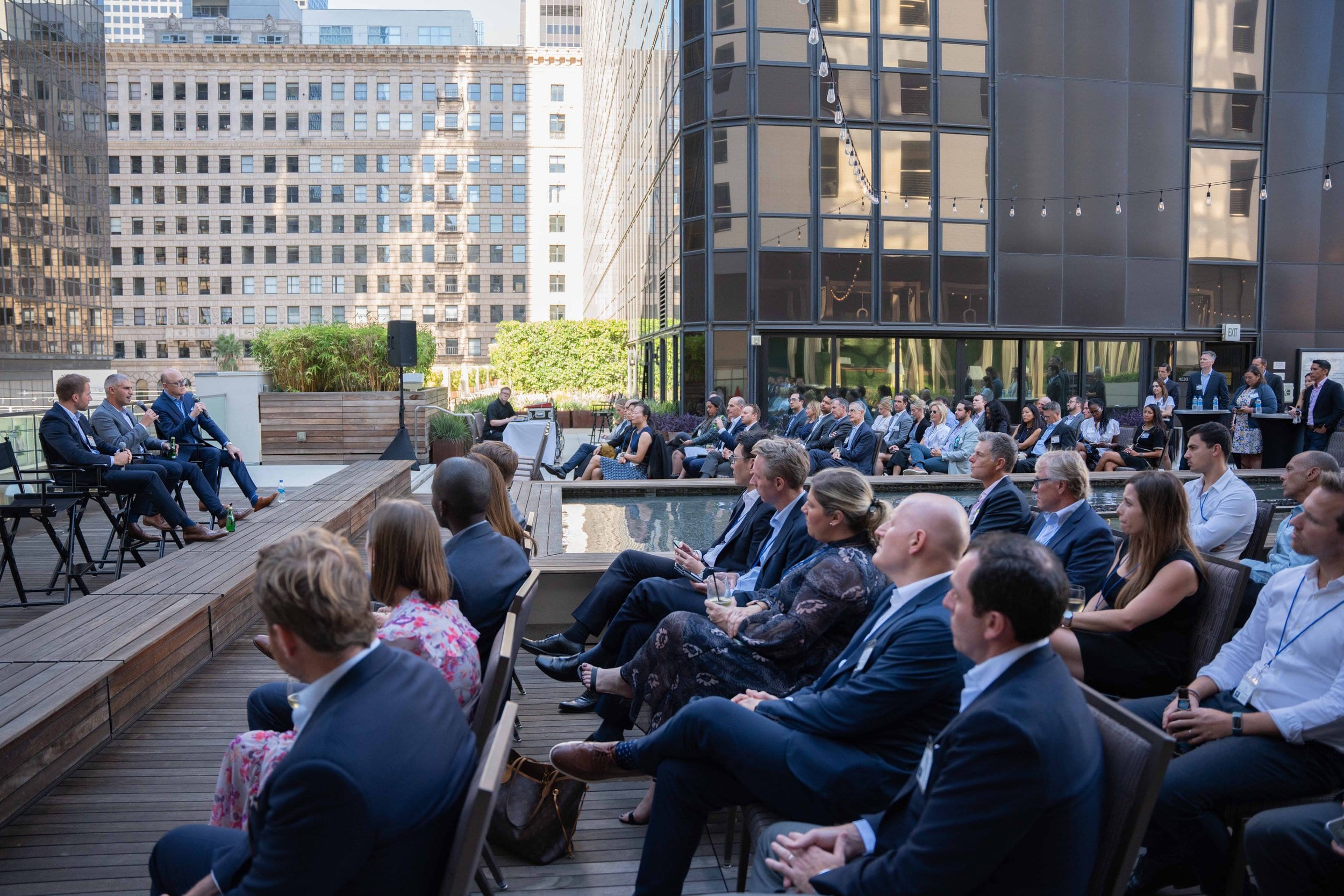
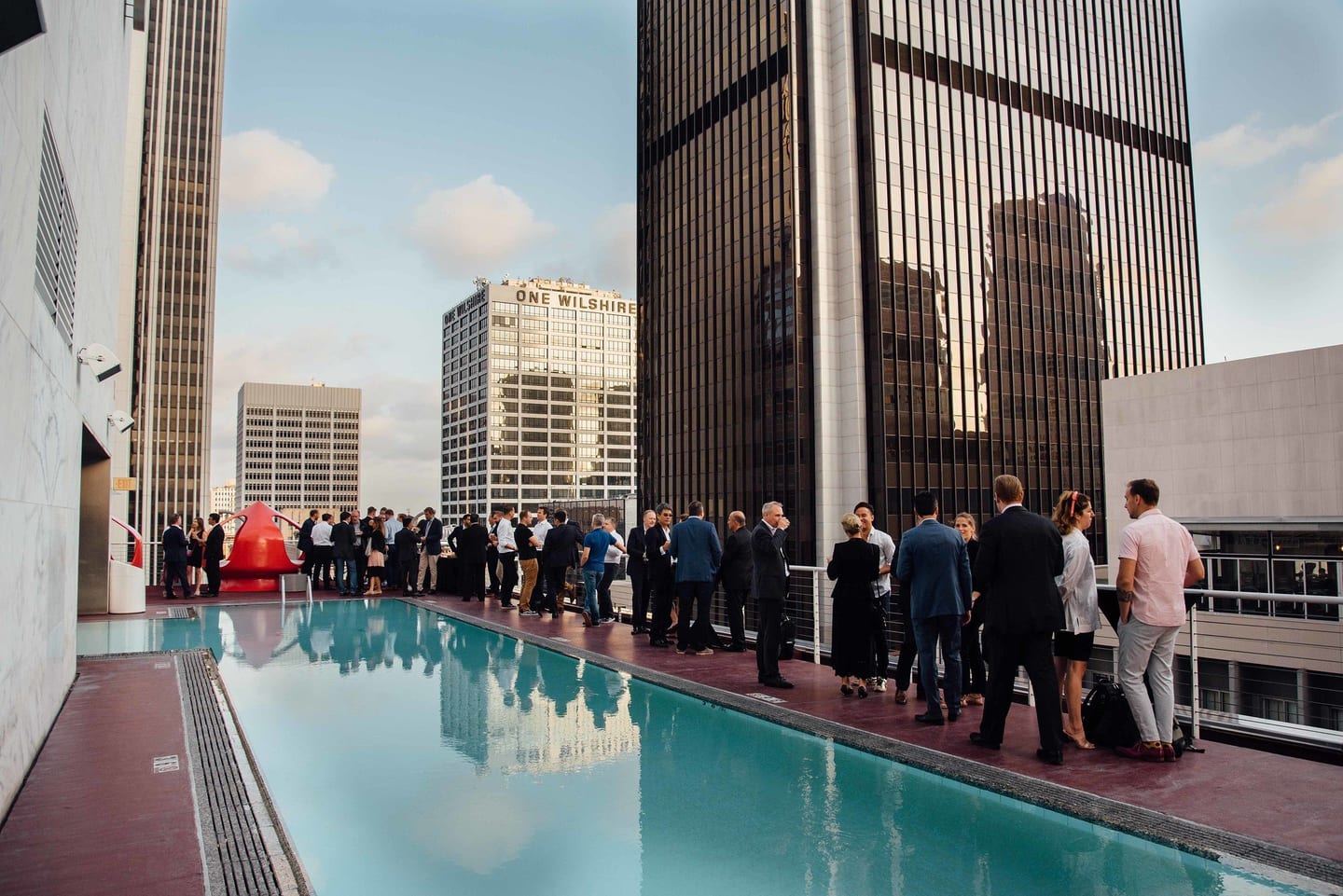
Rooftop receptions — the Academy Museum's, the Downtown LA towers — are the best light in the city for about forty minutes. Golden hour over the skyline is a schedule item: if the toast happens at the wrong time, the skyline backdrop is either blown out or gone black. When I get the run-of-show early, I'll flag exactly when the skyline works. After sunset a rooftop is whatever light the venue rigged, which is usually not much — plan the hero moments before the sun leaves.
700 Broadway, Santa Monica
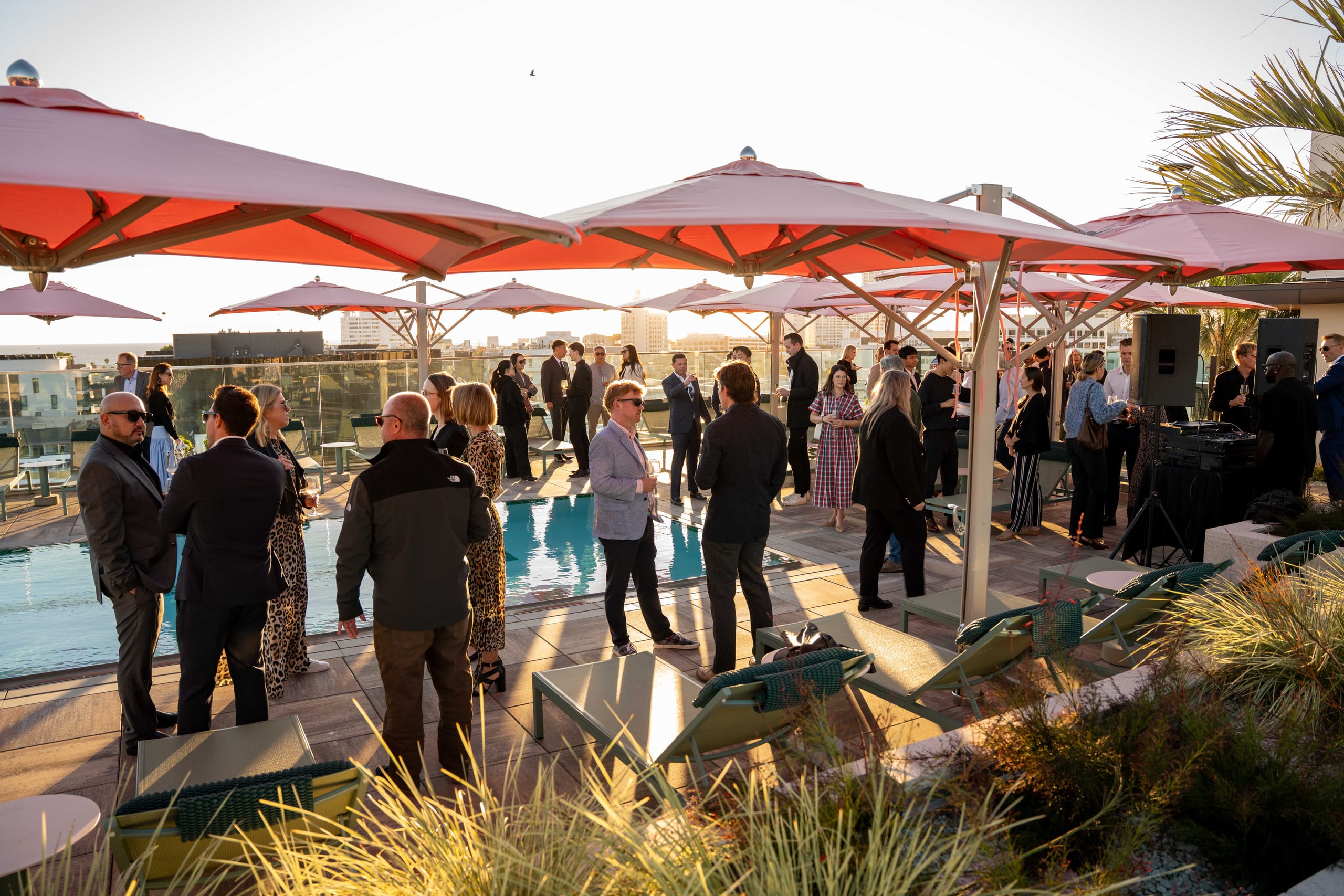
I photographed the grand opening at 700 Broadway — a rooftop reception timed right into golden hour, developers and city reps against the ocean side of the skyline. Textbook case of the forty-minute window: we put the group shots and the hero frames inside it, and the party kept its own schedule after dark.
Stadiums and convention floors: SoFi, the Convention Center, the Coliseum
Scale venues — SoFi Stadium suites, the LA Convention Center, the Memorial Coliseum — are logistics first, photography second. Load-in windows, union rules, security escorts, and badge lists eat your coverage clock if nobody budgeted for them. Insurance paperwork varies by event: sometimes the venue or production asks the photographer for a Certificate of Insurance, and sometimes the company hiring the crew handles it. Photographically it's a long-glass game: the moments happen far away, and the wide shot that proves the scale is one of the most valuable frames of the day.
SoFi Stadium
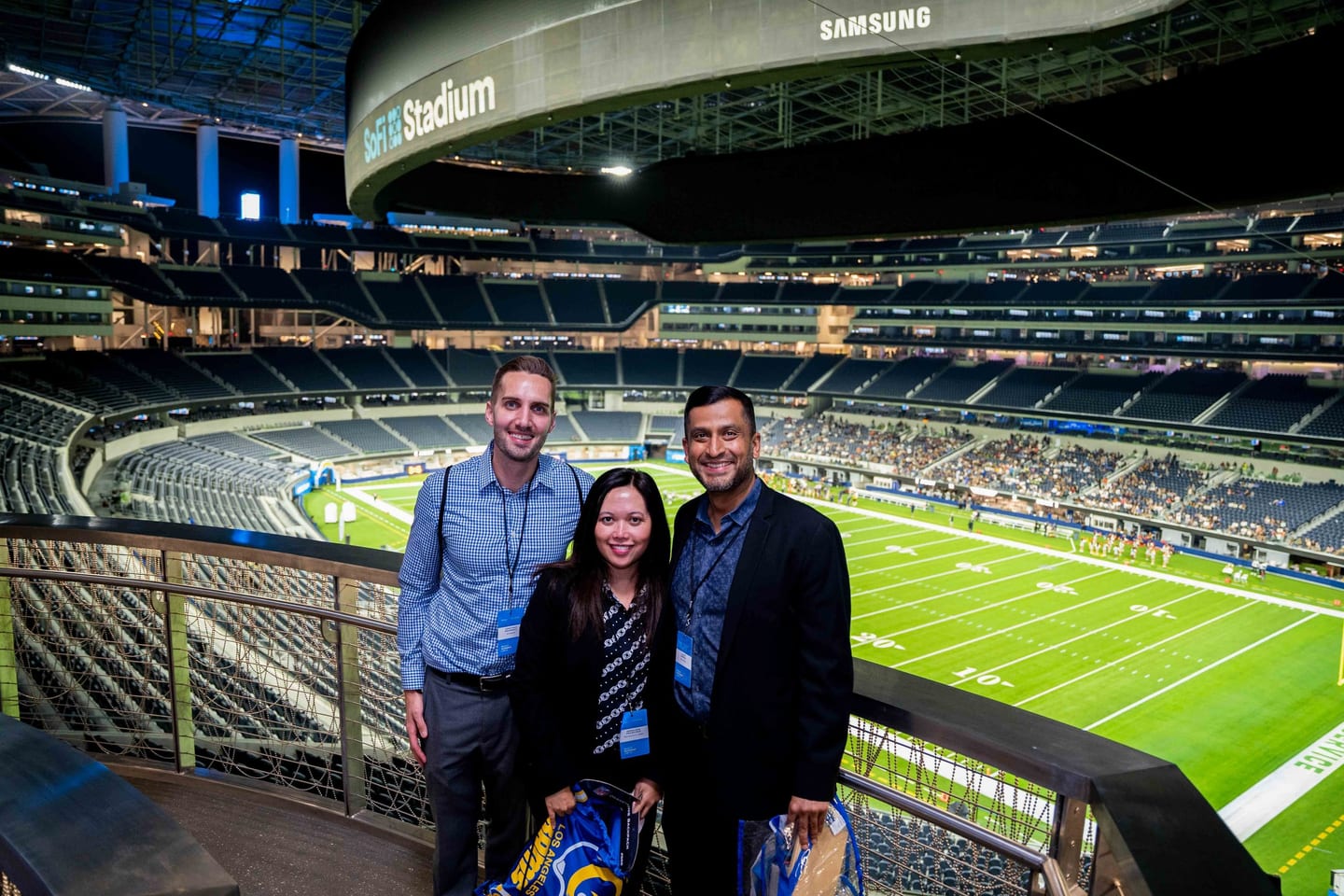
I've shot corporate hospitality at SoFi — suite-level events with the bowl as the backdrop. Security and badge logistics are real, and the frame everyone wants is the one that gets the room and the stadium in it. More on corporate coverage.
Los Angeles Convention Center
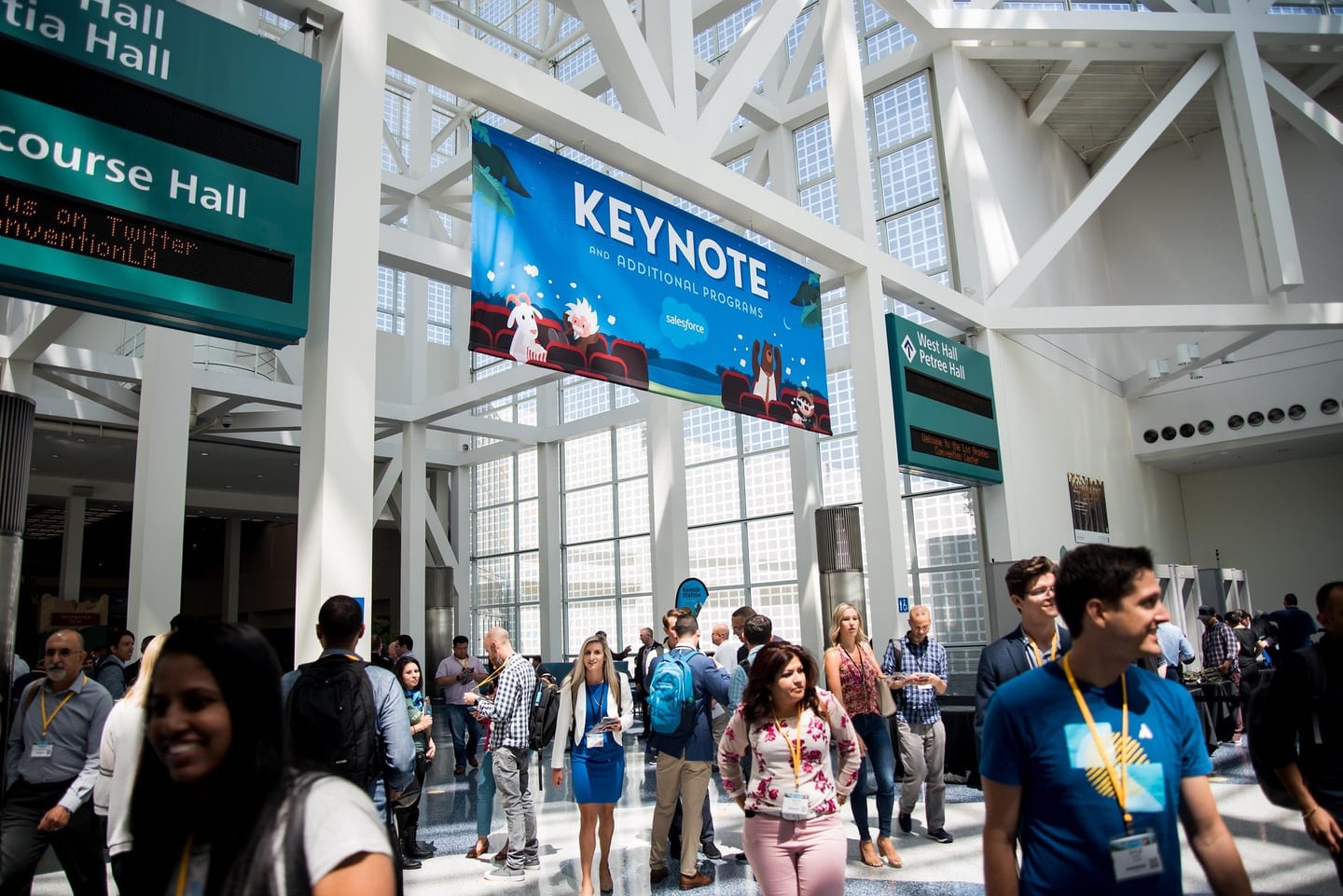
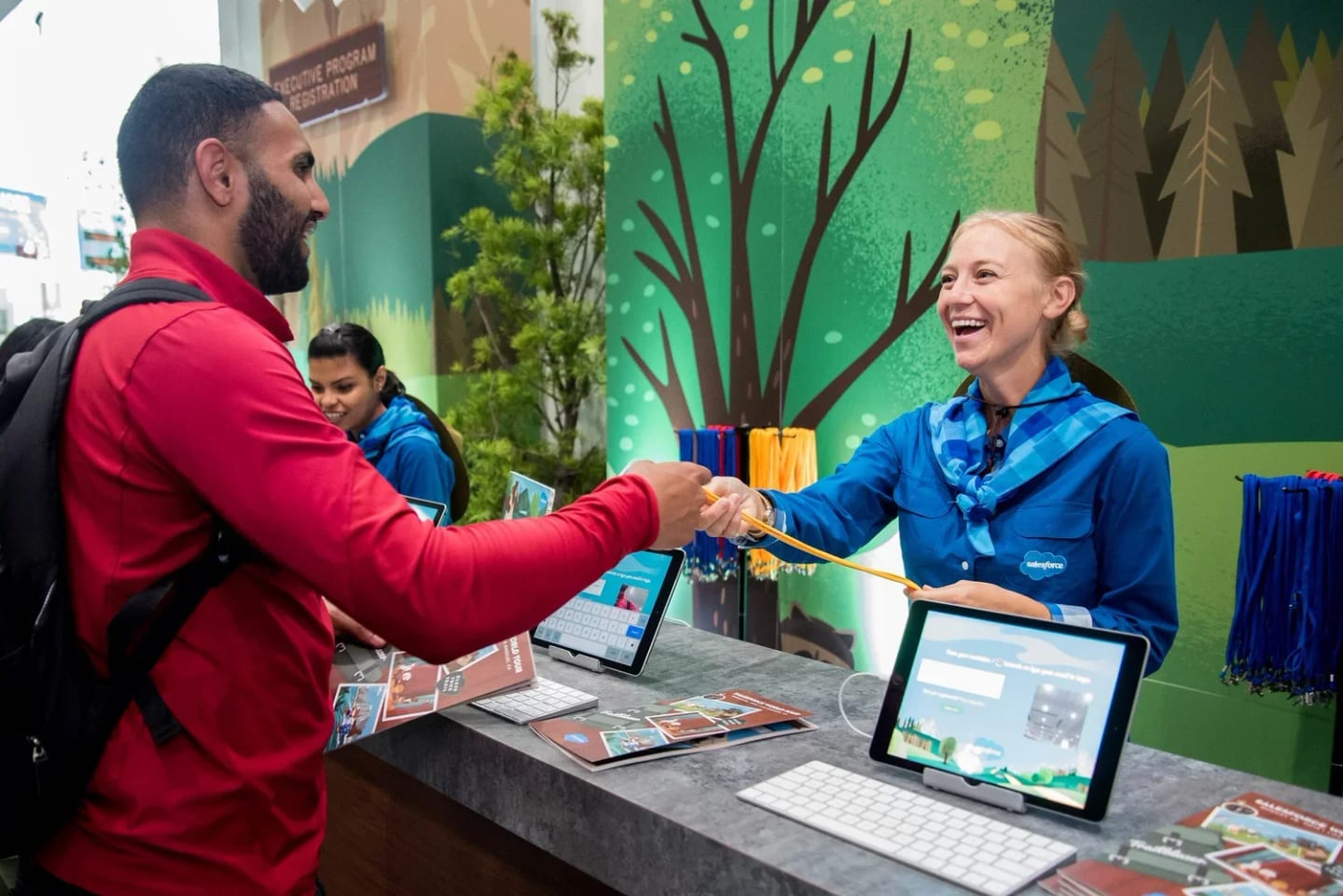
Most recently I covered Anime Expo 2026 for Shepard, the show's exhibition services partner — four days, multiple halls, exhibitor booths shot to a client list. The Convention Center is a marathon venue: distances are long, light changes hall to hall, and the badge and load-in rules decide your day before the doors do.
Barker Hangar, Santa Monica
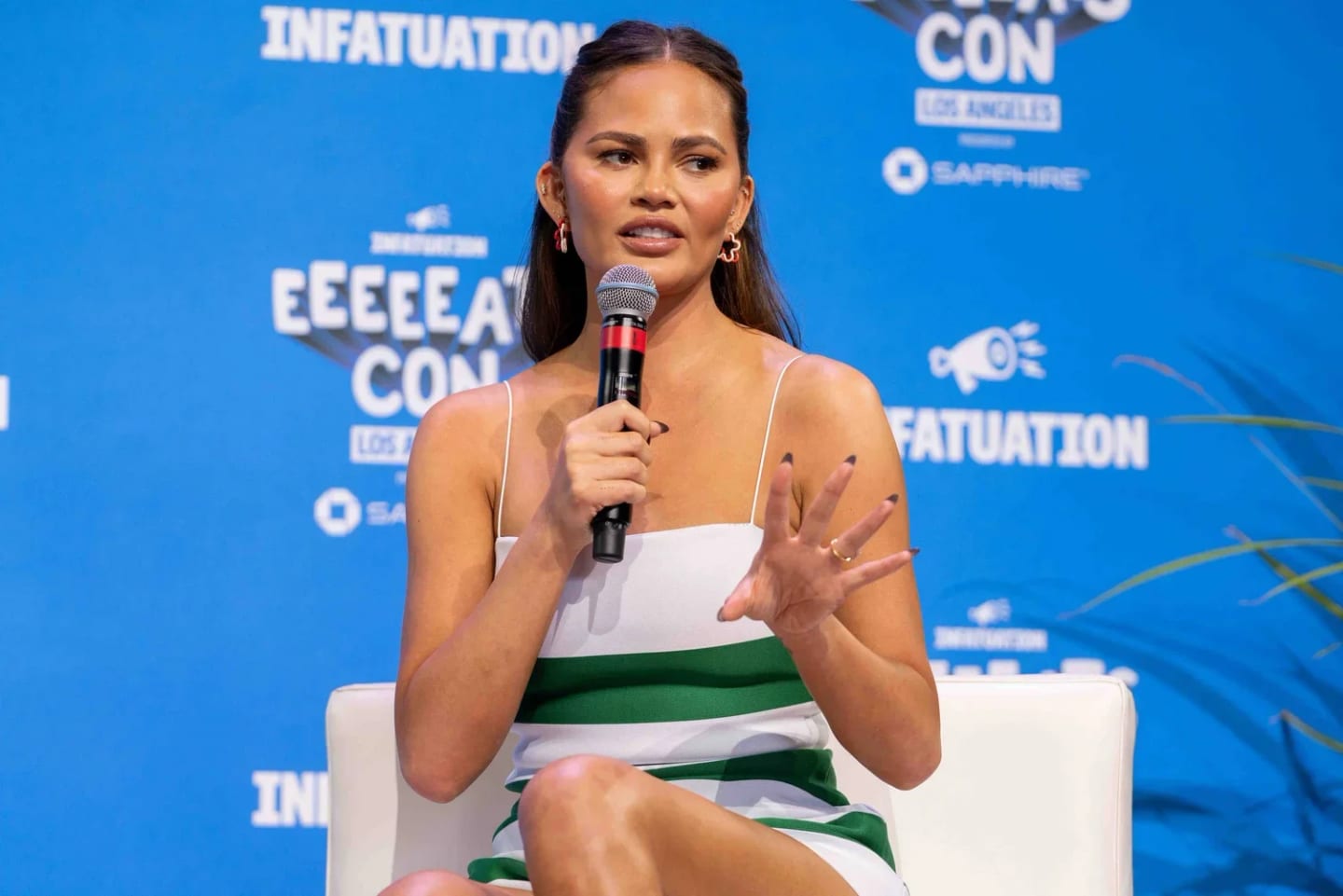
Barker Hangar is LA's blank-canvas venue — I shot EEEEEATSCON there across two days: a working food festival with stages, vendor lines wrapping the hangar, and celebrity guests in the crowd. A hangar's a blank space the production team can do anything with. For me it's one big mixed-light room to solve.
Estates and historic properties: Greystone Mansion and the clubs
Greystone Mansion in Beverly Hills, the Beverly Hills Country Club, the city's older estates — these come with rules: no flash in certain rooms, furniture that doesn't move, sometimes a site monitor keeping an eye on both. The architecture is the second subject — shoot it in the light the house gives you and keep the frame honest. Quiet coverage is the whole job here.
Greystone Mansion, Beverly Hills
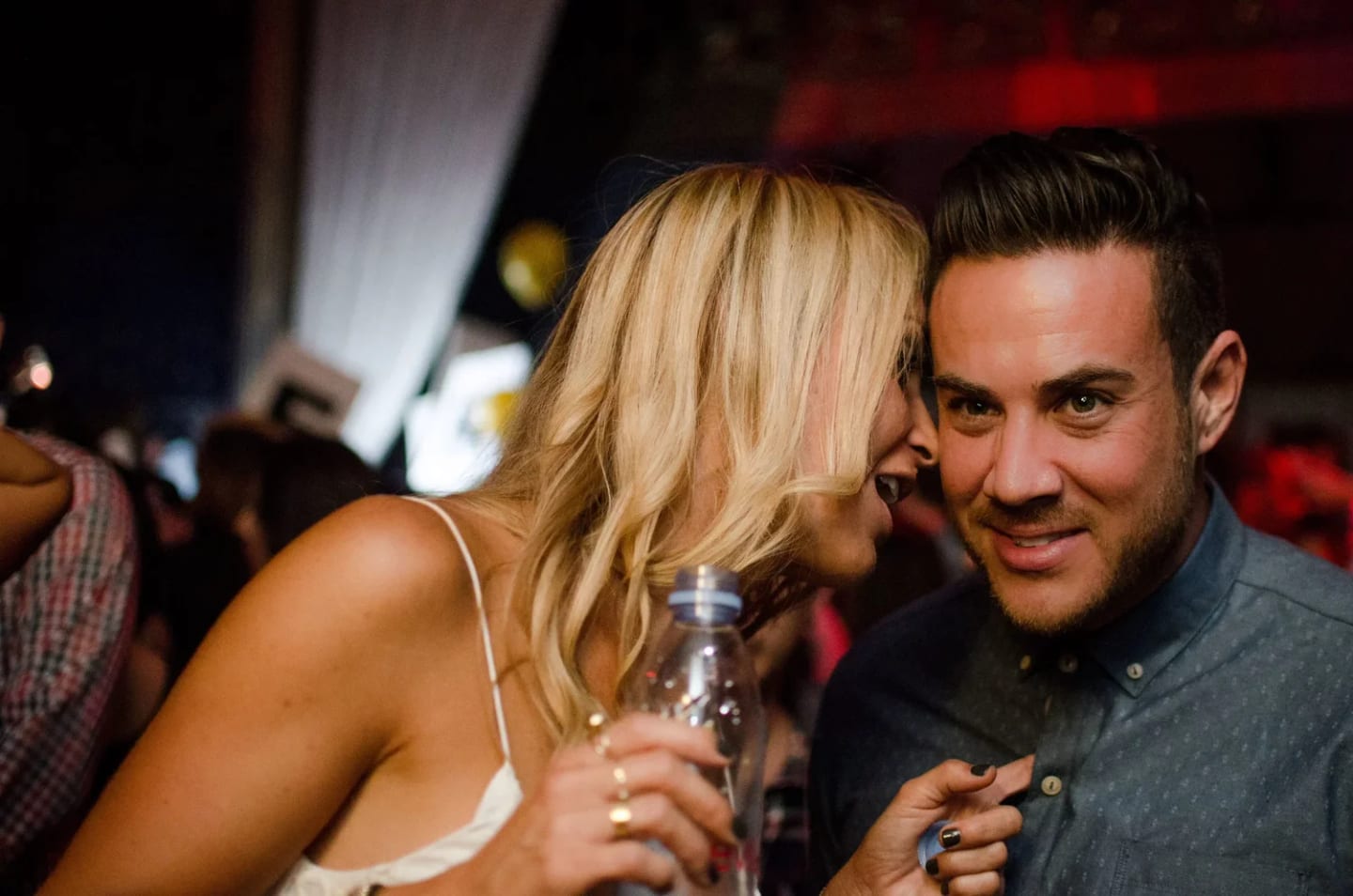
I've photographed private celebrations at Greystone — the rooms are protected, some are no-flash, and the estate runs on its own rhythm, and you work with it. The architecture earns its place in the frame. More private-event work is on the parties page.
Hollywood Hills private estates
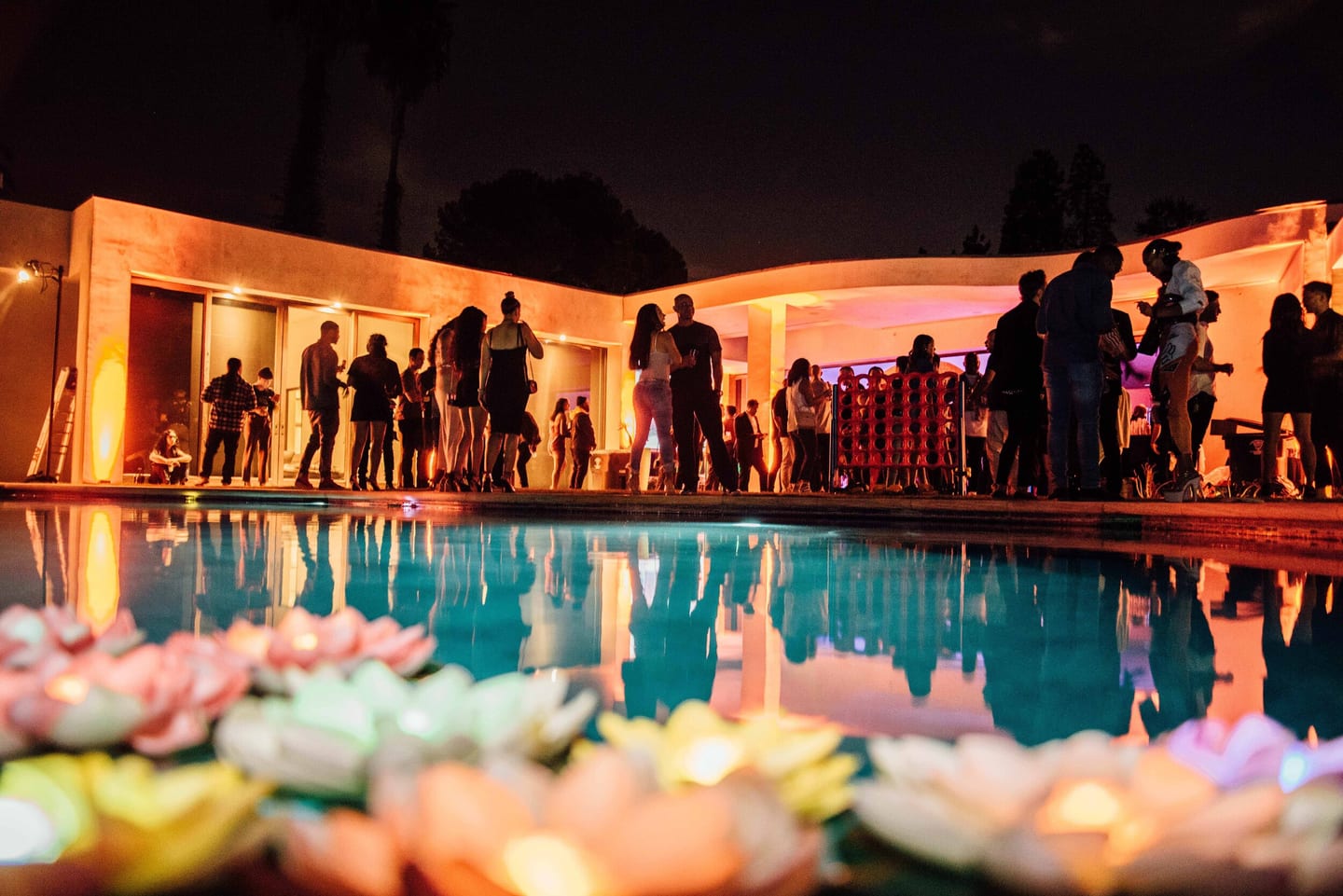
Hills estates are their own venue category: the view is the décor, parking is a production question, and the light goes from harsh sun to string-lights-and-pool-glow in an hour. I shoot these regularly — poolside parties, milestone birthdays, brand dinners — mostly available-light so the night keeps feeling like a night. See private party coverage.
Theaters and concert halls: Walt Disney Concert Hall
Programs at venues like Walt Disney Concert Hall run on house lighting, no flash, ever — and the photography has to work inside that. That means fast lenses, quiet shutters, and knowing where to stand before the lights drop, because moving mid-program is how you become the story. The payoff frames are the stage-wide from the balcony and the tight reaction shots nobody else was positioned for.
Restaurants and private rooms: from the Tam O'Shanter to Westwood
Industry dinners and launch parties in restaurant rooms — the Tam O'Shanter, the Tuck Room in Westwood — are tight, warm, and ambient-first. There's no room for lighting setups and no appetite for them either. Fast glass, high-ISO discipline, and the judgment to work a small room without hovering. Tight rooms are where guests most notice a photographer who doesn't know how to disappear.
The street: Hollywood premieres and open-air carpets
Hollywood Boulevard premieres, step-and-repeats at Westfield Century City — public-adjacent spaces add crowd noise, security choreography, and zero control over the environment. The carpet itself is a controlled strip inside chaos, and the job is pace: talent gives you seconds, publicists move people on a clock, and the backdrop still has to look clean. Red-carpet coverage is its own craft; a venue this public just raises the tempo.
Studio lots: Paramount Pictures
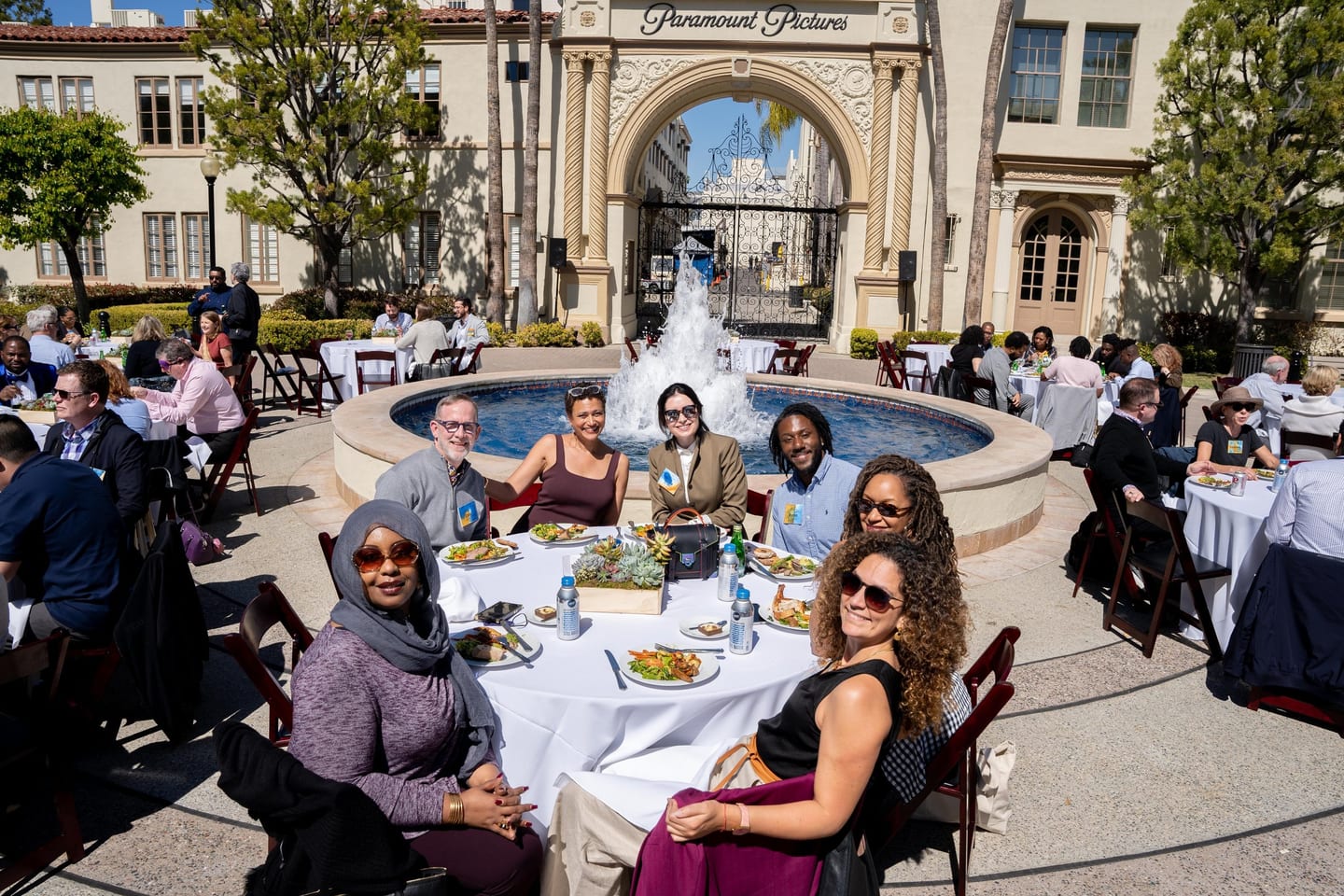
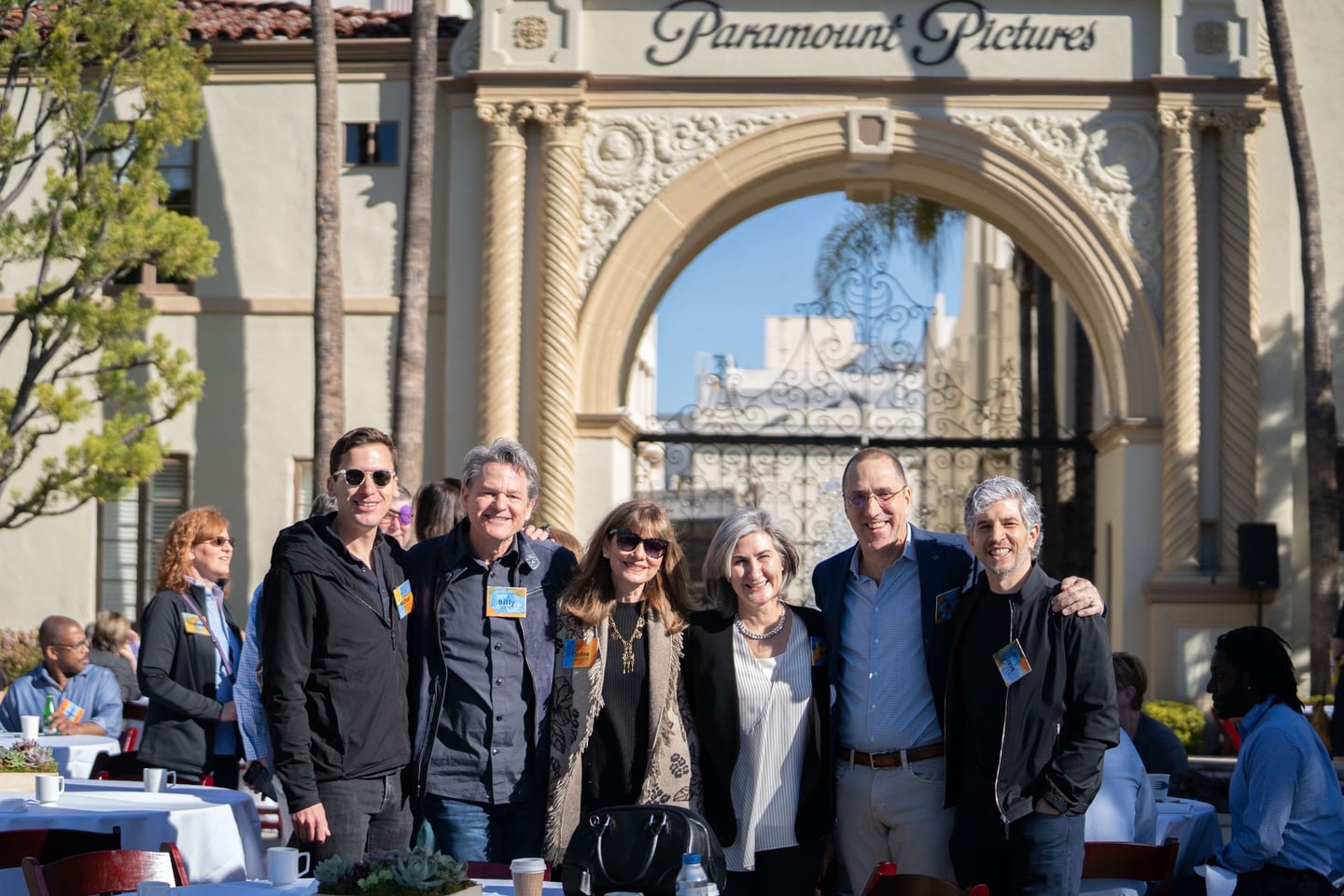
I've shot events on the Paramount Pictures lot — daytime programs at the fountain, group shots at the Bronson Gate. A working studio is its own kind of venue: security and escort rules are real, production is always happening somewhere nearby, and the backlot gives you backdrops no ballroom can. My film background helps here — I know how a set works and how to stay out of its way.
The cheat sheet
| Venue type | The light | The catch | What I do about it |
|---|---|---|---|
| Hotel ballroom | Mixed tungsten + LED wash | Color chaos on faces | Expose for the room, correct like it matters |
| Rooftop | Best 40 minutes in LA | Golden hour won't wait | Schedule hero moments against sunset |
| Stadium / convention floor | Vast, uneven, distant | Load-in, unions, possible COI | Paperwork early, long glass, the scale shot |
| Estate / historic | Available light only | House rules, site monitors | Work the house light, keep it quiet |
| Theater / concert hall | House lighting, no flash | You can't move mid-program | Position before the lights drop |
| Restaurant / private room | Warm, dim, ambient | Nowhere to hide | Fast glass, disappear into the room |
The through-line: in Los Angeles the venue is half the brief. Tell me where the event is and I already know most of what the coverage needs — the insurance paperwork your venue or production may require, when the light works, and where the pictures are. That's the practical difference between hiring an event photographer and hiring a Los Angeles event photographer. Planning something at one of these rooms — or one I haven't named? Tell me about your event, or see how this plays out for corporate coverage and private celebrations.