Event photography equipment: what I actually need to cover an event
Event gear is about redundancy and speed, not showing off a bag. The camera is the least interesting part of the job. What matters is that nothing about my equipment becomes your problem while your event is happening.
Planning an event? Tell me about it →
Two bodies
I carry two Sony full-frame mirrorless bodies. A key moment is a bad time to be changing a lens or finding out something isn't working. With two, I'm ready for the wide room and the close moment without swapping anything — and if one has an issue, the event doesn't stop for it. There's no reshoot at a live event, so the setup is built around that.
Mixed and ugly light
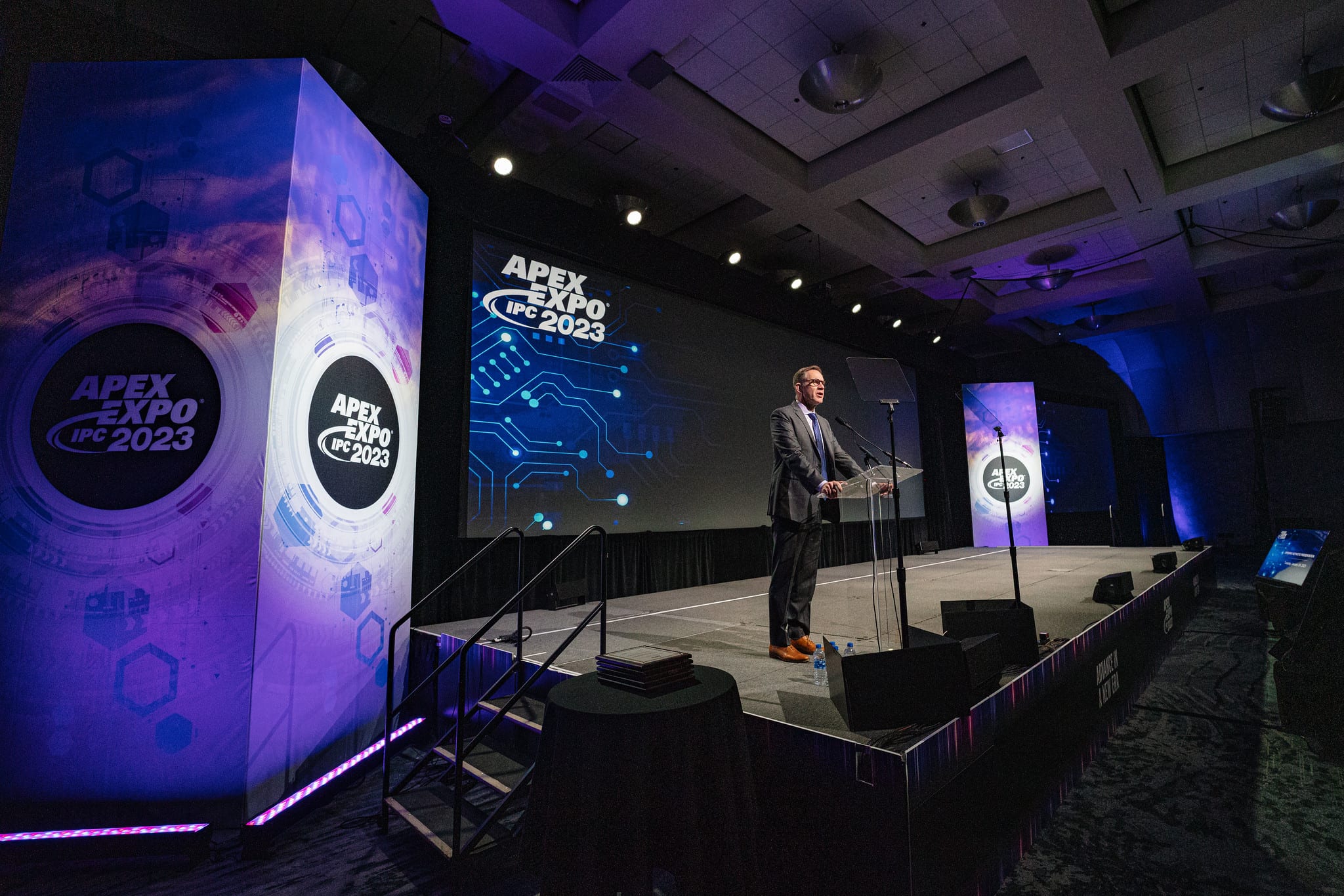
Events don't happen in nice light. In one day I'll shoot a dark bar, a hotel ballroom, a private house, a conference room, exterior daylight, and a branded space lit for a logo — sometimes inside an hour. The job is to work in all of it without making the room stop for me. Most of that is knowing what to do before I walk in, not fixing it after.
Keeping people looking like themselves
The point is to make the room, the faces, and the branding usable while people still look natural — not to make a toast feel staged. I keep light minimal and out of the way where I can, and add it carefully when a room genuinely needs it. It's not a lighting show — just enough to keep the picture honest.
Wide and close
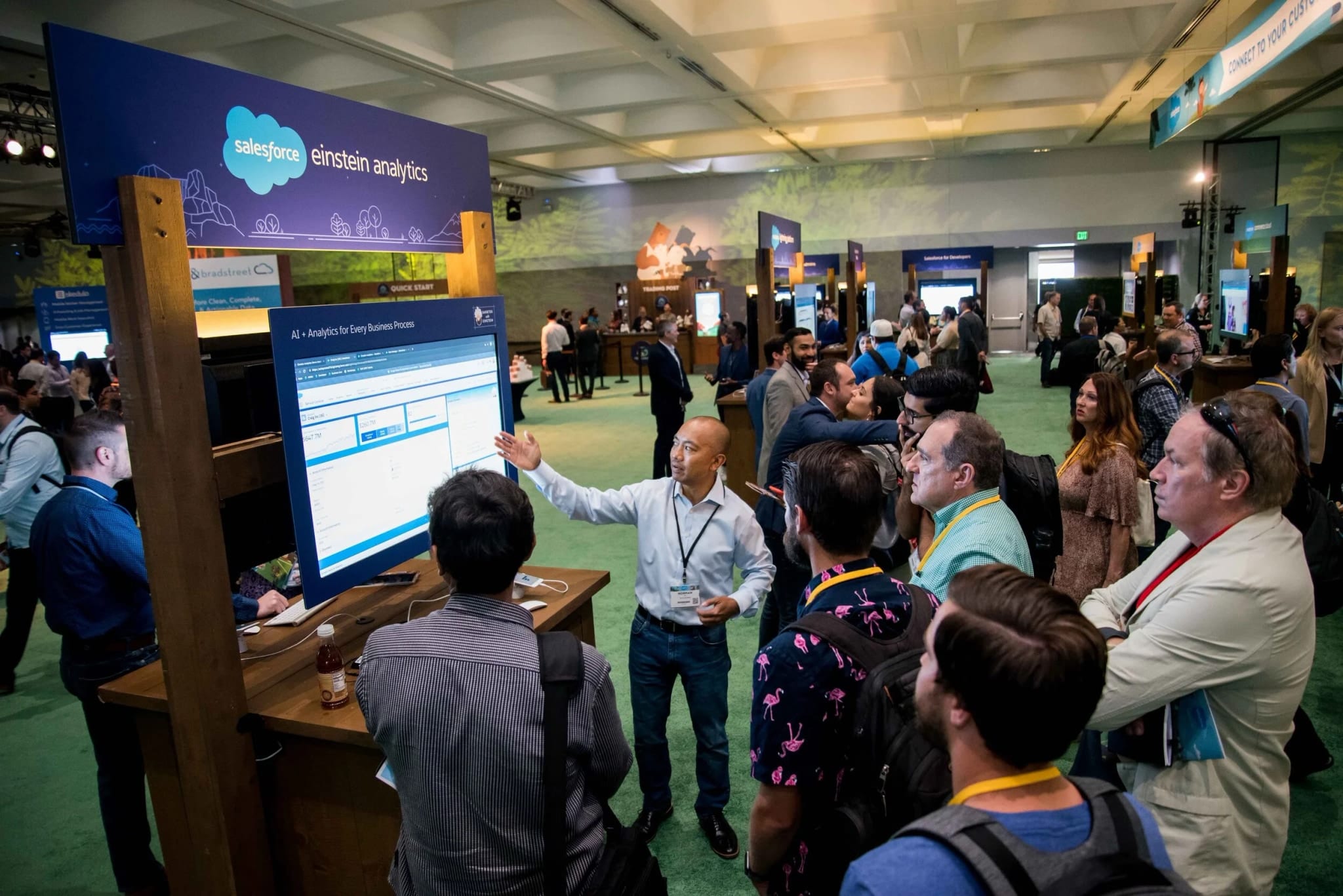
Two kinds of coverage at most events: the wide view — the room, the setup, the signage, the scale — and the closer human moments, the interactions, the VIPs. I cover both with a set of fast f/2.8 zooms — a wide 14–24, a 24–70, and a 70–200 — so I can grab the whole room and a VIP across the floor without stopping to swap glass. The wide shots cover the scale — that it happened, how big it was. The close ones are where you actually feel it.
Backing everything up
I write to two memory cards at once and keep off-site redundancy through the event, because you need the photographs afterward, not an explanation. The one failure a client never forgives is the gallery that doesn't exist.
The real equipment is judgment
Most of event photography is knowing how to behave in a room, not knowing how to use a camera. Photograph the clean setup before the crowd wrecks it, or wait for the real interaction? Is that the sponsor shot the marketing team needs, or a nice picture nobody asked for? Be in the middle of this moment, or out of the way? That judgment is the part that matters. The gear just has to be reliable enough to disappear.
And a lot of it isn't equipment at all. I show up in all-black, find the person in charge, work out what has to be shot first, and stay out of the way — I don't eat the catering or drink unless I'm invited to. You shouldn't have to manage the photographer any more than you manage the caterer. More of that thinking is in my event photography tips.
If your event has tricky lighting, a red carpet, press, a step-and-repeat, a big crowd, or a same-day need, tell me before the shoot — that's the part worth planning. Tell me about your event, or see activation and red-carpet coverage.