Event photography tips: how to photograph events
Most of event photography comes down to a few things, and none of them are the camera: reading a live room, holding exposure in light you don't control, and not missing the moment that matters. After 16 years photographing conferences, red carpets, activations, and parties across Los Angeles, these are the tips I'd give anyone learning to shoot events well — whether you're building a portfolio or hiring someone who should already know this.
Planning an event? Tell me about it →
1. Carry two bodies and fast glass
Run two camera bodies so you never miss a moment swapping lenses — typically a wide zoom on one and a standard or telephoto zoom on the other. Fast f/2.8 glass is what lets you shoot a dim ballroom or a backlit stage without flash. A second body is also your insurance: gear fails, and at a live event there is no reshoot.
2. Expose for the light you have, not the light you want
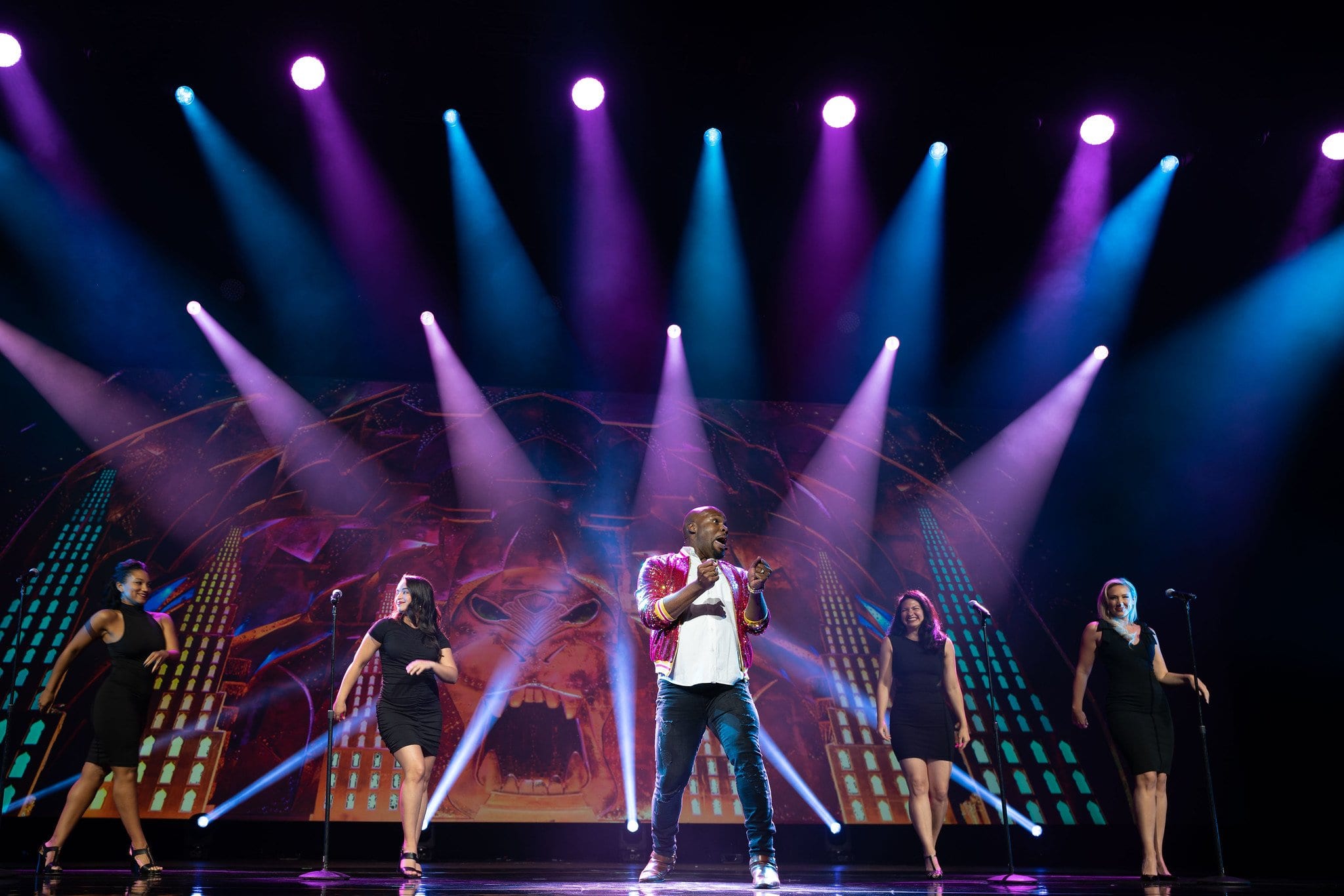
Event light is mixed, colored, and constantly changing — LED stage wash, tungsten uplighting, daylight through a window, and the flashes of twenty other cameras, all in one frame. Shoot in manual or auto-ISO with a fixed minimum shutter speed, meter for the faces, and let the background fall where it falls. Push ISO before you drop shutter speed below 1/200s; a little grain beats a blurred handshake.
3. Work without flash whenever you can
A flash firing into a keynote or a candid toast interrupts the moment and flattens the atmosphere you were hired to capture. Learn to work with available light, and reserve on-camera flash — bounced, never direct — for pitch-dark rooms or group shots where you need it. The goal is images that look like the event felt, not like a press conference.
4. Anticipate the moment before it happens
The frames that matter — the handshake, the keynote punchline, the reveal, the reaction to the toast — last a fraction of a second. You can't react fast enough; you have to anticipate. Learn the run of show, watch body language, pre-frame the spot where the moment will land, and be on it before it happens. Anticipating is most of the job, honestly.
5. Shoot the whole story, not just the highlights
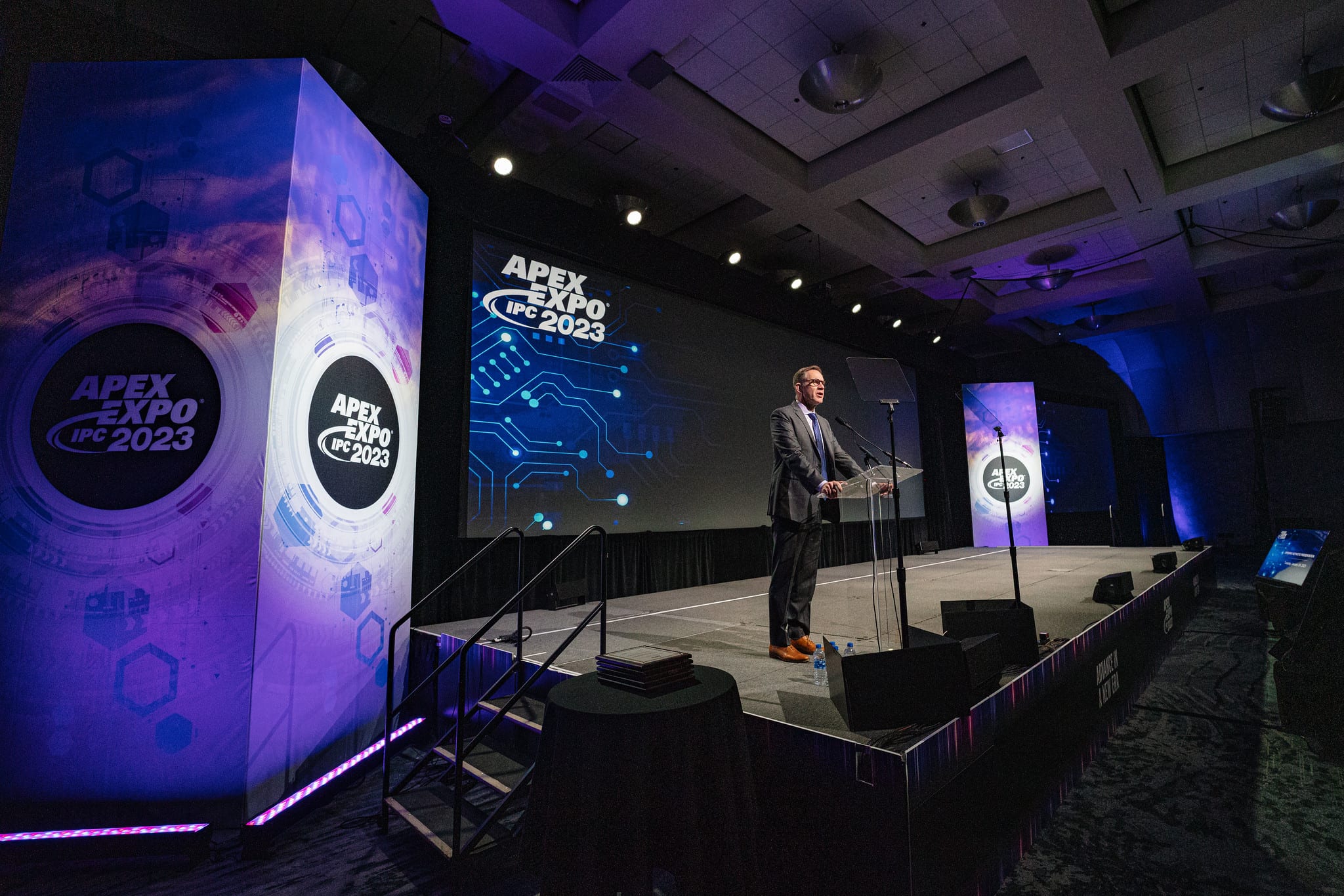
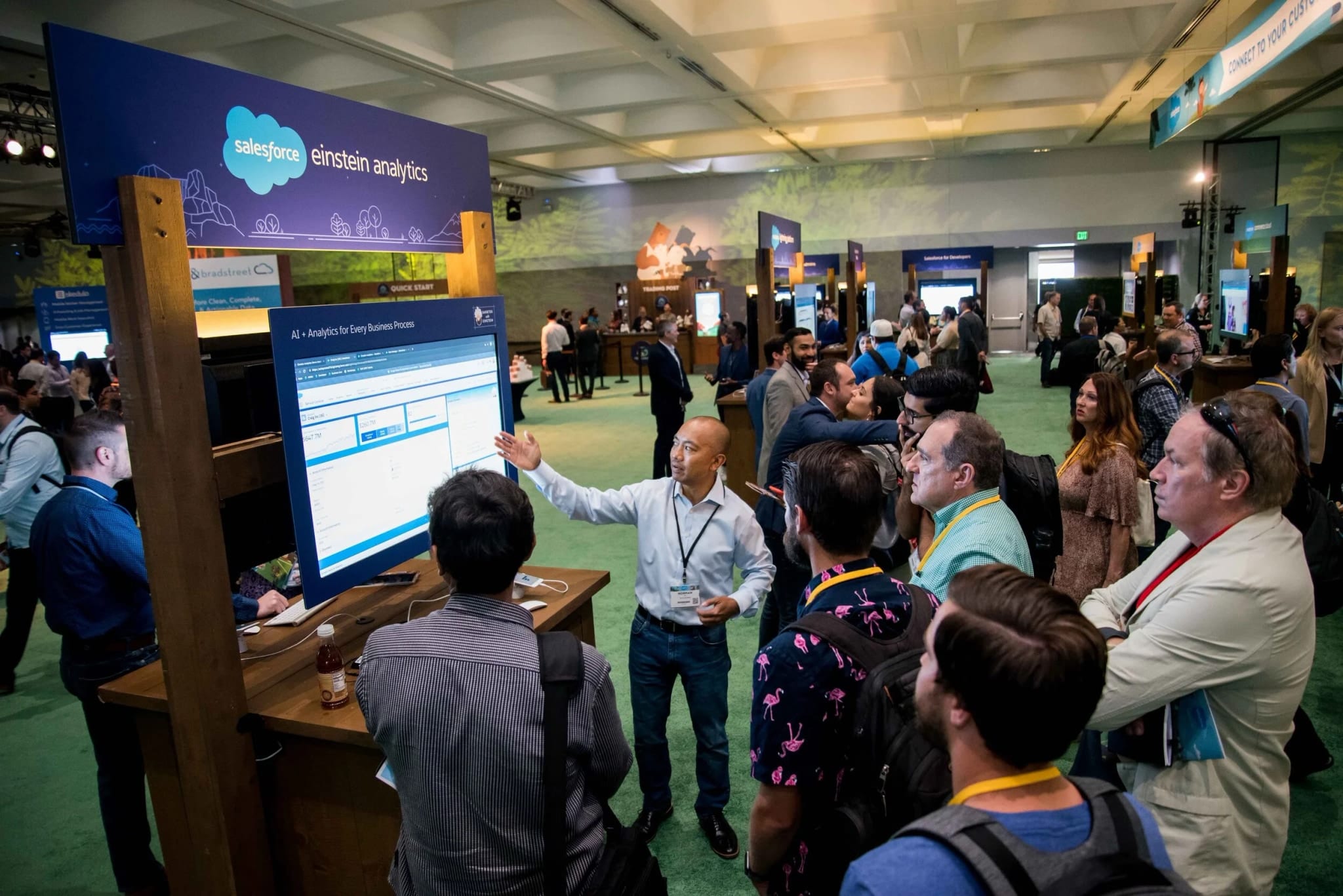
A usable event gallery covers scale and intimacy: the wide room that proves the event happened, the key beats, candid guest moments, and the details. The list below is the frame set I make sure I leave with at any event — it's also a good checklist for judging whether a photographer you're hiring thinks the way a recap deck needs.
| Frame | Why it matters |
|---|---|
| Wide establishing shot | Proves scale and sets the scene for a recap |
| Key moment (keynote, toast, reveal, award) | The reason the event happened |
| Candid guest and crowd reactions | The energy no staged photo can fake |
| Brand & sponsor details (signage, logos, product) | What sponsor reports and marketing decks pull |
| Speaker and stage moments | Content for press, social, and internal channels |
| Venue and décor details | Credits the producers and rounds out the story |
6. Frame the sponsor and brand details on purpose
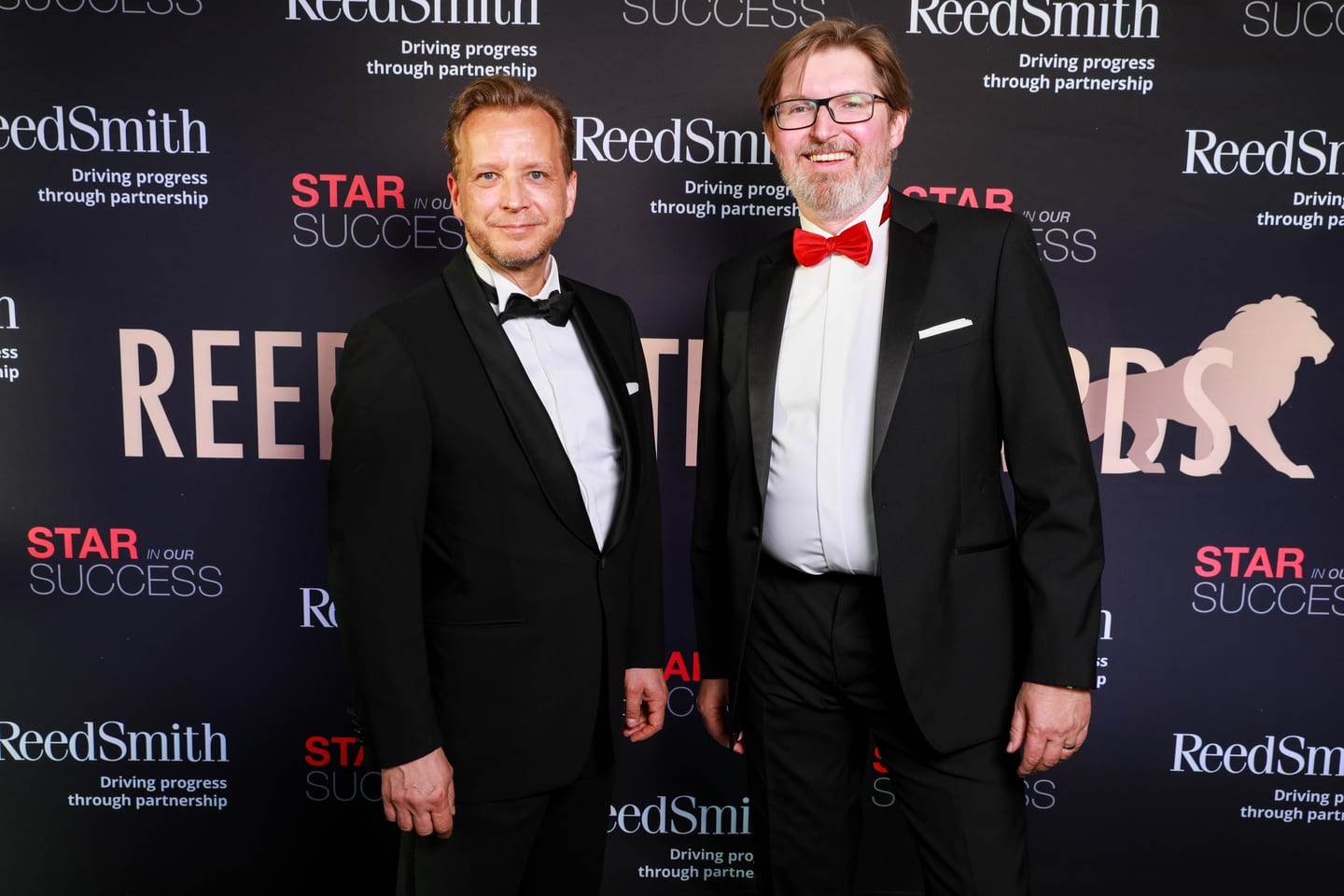
At a corporate event or activation, the images a marketing team actually pulls are the ones that show the logo cleanly, the product in use, and the branded backdrop framed the way a deck needs it. Shoot these deliberately — it's a big part of what a marketing team is actually paying for. See how this plays out for corporate and conference photography and brand activations.
7. Back up as you shoot
Use cameras with dual card slots and write to both. Offload to two drives before you sleep. A live event is unrepeatable, and a corrupted card is the one failure a client will never forgive. Professionals also keep the RAW originals on file — proof the event happened, and increasingly a safeguard in a world where anyone can generate a convincing fake photo.
8. Deliver fast and press-ready
The best coverage in the world is worth less if it lands a week after the news cycle. Cull and color-correct quickly, deliver files that are publishable out of the box for web, press, and social, and offer a same-day best-of when the moment can't wait. Turnaround is part of the craft, not an afterthought — my standard is 48 hours, with same-day Social Selects available.
The short version
Fast glass and two bodies, exposure for the faces, no intrusive flash, anticipate the moment, cover the whole story, frame the brand on purpose, back up everything, and deliver fast. Master those and the rest is repetition. If you'd rather hire it done, see how to hire an event photographer in LA and what one costs, or tell me about your event.