What is event photography?
Event photography is the professional documentation of a live event as it happens — a conference, a brand activation, a gala, a red carpet, a private party — capturing the people, the key moments, the brand details, and the atmosphere in real time. Most of it is candid; the group photos and executive shots that need direction get it, quickly. Done well, it hands the company or the host a set of clean, publishable images that prove the event happened and keep working long after the room clears. I've been shooting events in Los Angeles for sixteen years, so what follows is the honest version, not the brochure version.
Planning an event? Tell me about it →
The main types of event photography
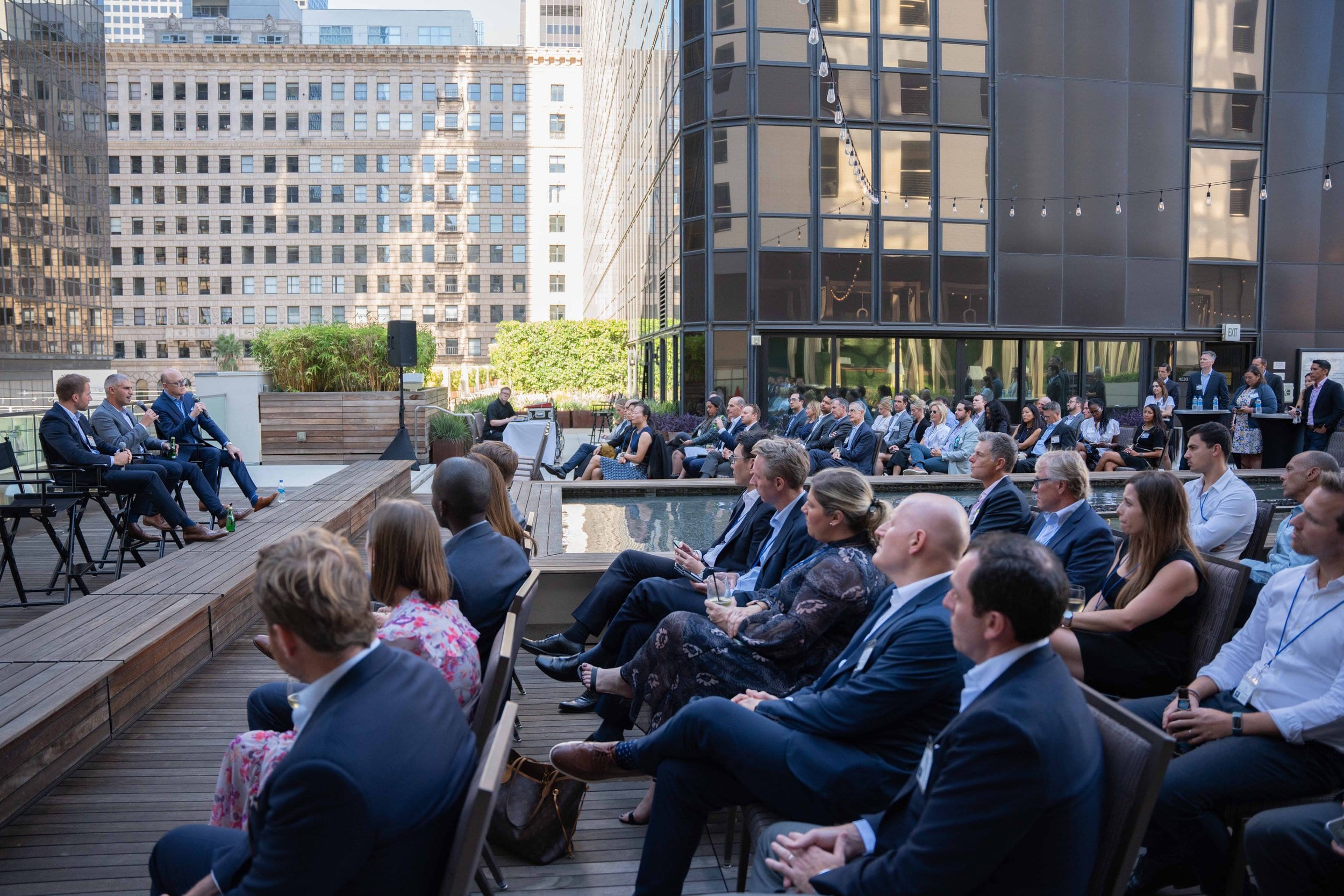
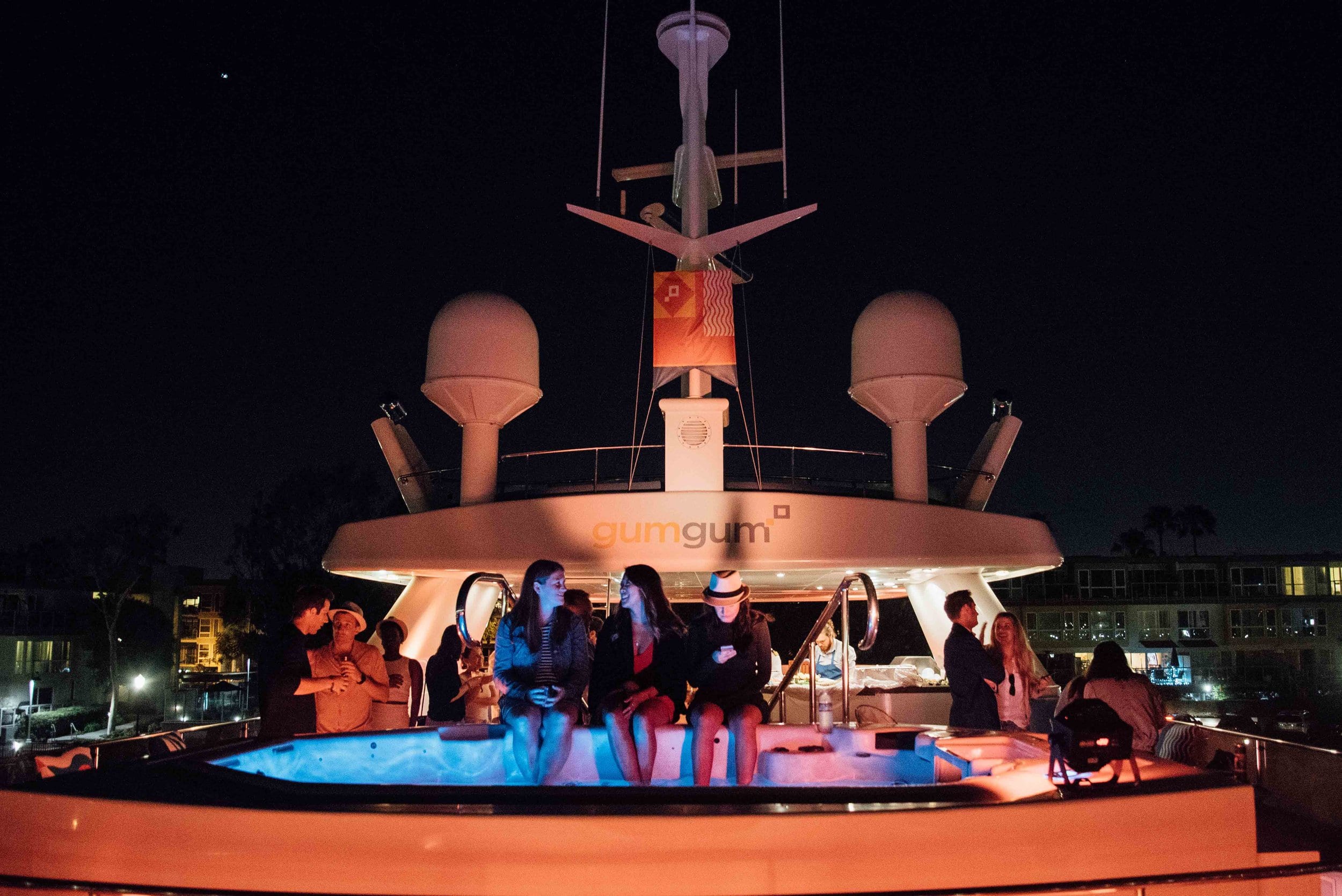
Most professional event work falls into a few lanes. Corporate and conference photography covers keynotes, breakouts, summits, and trade shows — see corporate event photography. Brand activation and product-launch photography documents experiential marketing, pop-ups, and launches. Red-carpet and PR photography handles premieres, step-and-repeats, and press arrivals. Private party and celebration photography covers milestone birthdays, holiday parties, and private events — see hiring a private party photographer. And festival and experiential photography captures large-scale public events. Most of these, apart from corporate, live under general event photography.
The lanes matter less than people think, though. A gala and an investor summit look nothing alike on the invite, but the photographer's job is nearly identical: get the room, get the people, get the branding, get the proof it happened — and don't bug anyone who's there to work, speak, raise money, or enjoy themselves.
| Type | What it covers | Typical clients |
|---|---|---|
| Corporate & conference | Keynotes, summits, panels, trade shows, annual meetings | Comms & PR teams, event producers |
| Brand activation & launch | Experiential marketing, pop-ups, product launches | Agencies, brands, marketing teams |
| Red carpet & PR | Premieres, step-and-repeats, press arrivals | Publicists, studios, media |
| Private party | Milestone birthdays, holiday & private celebrations | Private hosts |
| Festival & experiential | Large-scale public and sponsor events | Producers, sponsors |
What the job actually looks like on the night
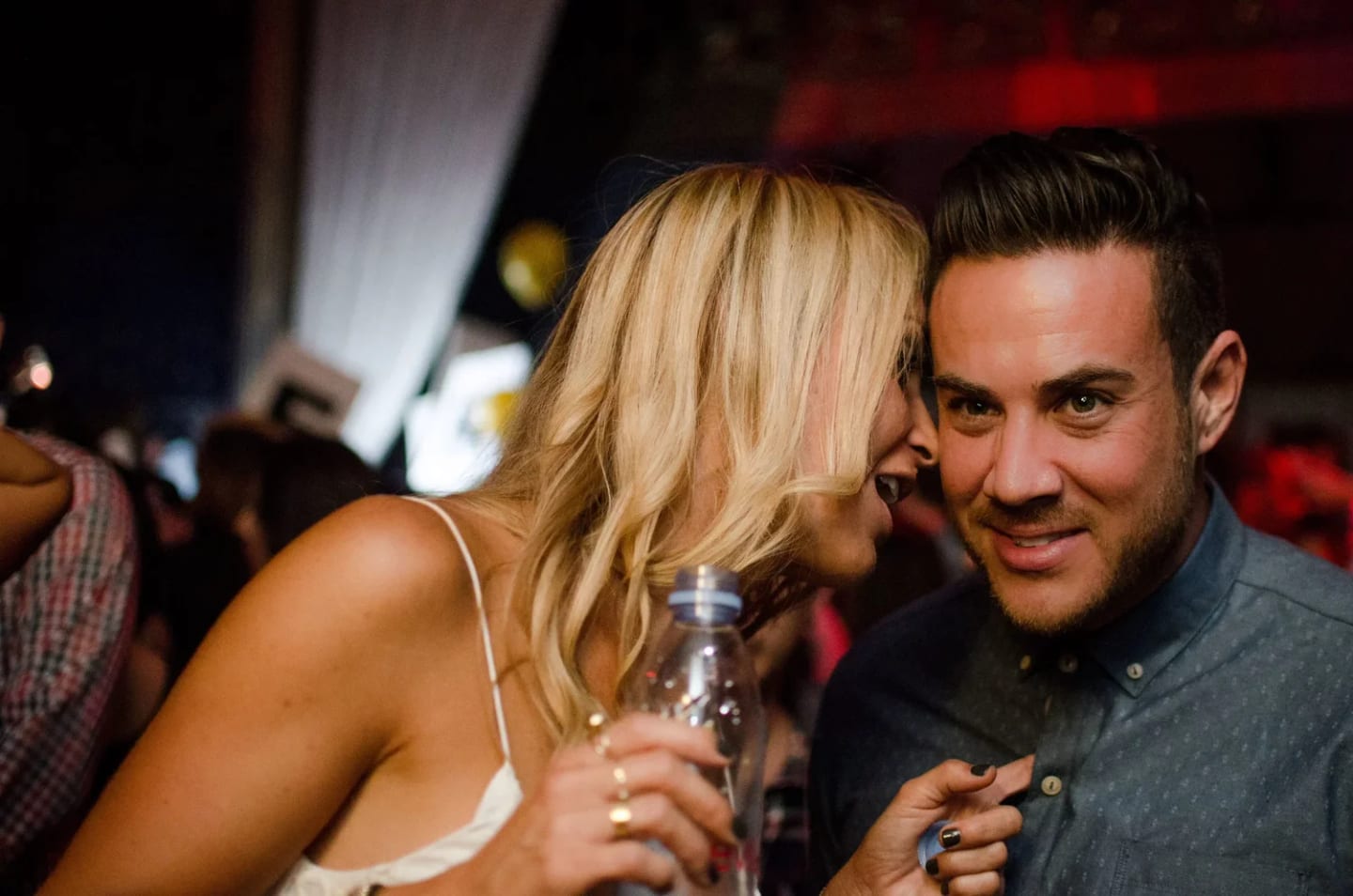
Event photography is really two jobs you keep switching between. Most of the night you're invisible — documentarian mode, journalistic mode, whatever you want to call it. Nobody should feel a photographer orbiting them, and nobody should act differently because there's a camera in the room. You wait for the real moment instead of manufacturing one: the handshake that actually means something, the two guests laughing at a table in the corner, the speaker's one good gesture out of forty minutes at a podium.
Then the other job kicks in. A group photo of two hundred people needs someone on a ladder telling everyone to stop talking and look up — politely, quickly, once. A CEO, a sponsor wall, and a keynote moment all need handling in about ninety seconds because that's the gap the schedule gives you. The skill isn't either mode; it's knowing exactly when to switch. Photographers who only have one of the two modes are the ones clients complain about afterward — either they missed the group shot, or they spent the night directing guests like it was a fashion shoot.
What a professional event photographer delivers
The deliverable is more than nice pictures. A professional gives you color-corrected, press-ready files with full usage rights for web, press, social, and internal decks; a fast turnaround timed to your news cycle (my standard is 48 hours, with a same-day best-of when press can't wait); and typically 60–200 edited images per hour of coverage, delivered as downloadable high-res files — a Dropbox link, or a private online gallery. You should also get the discretion and difficult-light skill to work a live room without a flash interrupting the moment. One thing most clients don't realize: under U.S. copyright law, the photographer owns every image by default — "full usage rights" only exist if they're explicitly granted, so make sure they're written into the quote.
One more thing that matters more every year: every frame I deliver starts as a RAW file with the camera metadata intact. Anyone can generate a convincing fake “event photo” now. Yours should come from the actual room, and you should be able to prove it.
How event photography differs from portrait or wedding work
Portrait and studio photography is directed — the photographer controls the pose, the light, and the moment. Event photography is reactive: you read a room in real time, anticipate the handshake, the keynote punchline, or the reveal before it happens, and hold your exposure against stage light and flashes you don't control. It's closer to documentary and photojournalism than to a studio session.
This is also why a beautiful wedding portfolio doesn't automatically translate. Wedding photographers get a schedule built around photography — golden-hour portraits, a first look, a coordinator whose job includes feeding them the couple. At a corporate event, photography is nobody's priority and the schedule will not bend for you. The keynote runs long, the sponsor wants one thing, the PR person wants another, and the room still has to look better in photos than it felt in real life. Different muscle entirely.
Do you actually need a professional?
Honestly — not always. An internal happy hour for fifteen people can live on someone's phone and nobody will miss the difference. Where a professional earns the fee: anything with sponsors who expect proof, press who need publishable frames on a deadline, executives or donors who can't be interrupted twice, a stage (stage light is where phone photos go to die), or a marketing team that has to build a recap deck, a campaign, or next year's ticket sales out of the gallery. If the photos have a job to do after the event, hire someone whose job is the photos.
What it costs and how to hire
From the public LA rates I monitor and the quotes clients bring me, professional event photography generally lands around $150–$450 per hour, with experienced corporate specialists commonly between $300 and $400. There is no official Los Angeles average; hours, team size, turnaround, and rights move the number. For the basis and real examples, see the guide to what an event photographer costs in Los Angeles, and for a vetting checklist, how to hire an event photographer. Planning an event in LA? Tell me about your event for a same-day flat quote.
Common questions
What does an event photographer actually do?
Documents an event as it happens — the room, the people, the branding, and the proof it took place — and hands the client a clean, usable gallery afterward. Most of the night that means staying invisible; the rest of the time it means stepping in to get the group shot or the moment that matters. It's a live job, not a photo shoot.
How is event photography different from portrait or wedding photography?
There are no do-overs. A portrait can be reshot and a wedding follows a familiar script; an event is once-through, in changing light, on someone else's schedule. The skill is anticipation and working fast in rooms you can't control — which is why a wedding portfolio doesn't always translate to a keynote or a red carpet.
Do I really need a professional event photographer?
If the photos have a job to do — a press release, a recap deck, a sponsor report, a marketing campaign — then yes. A professional delivers press-ready files with full usage rights, on a deadline, and knows how to work difficult event light without a flash interrupting the room. If you just want a few phone snaps for memories, you don't.